Alphabet's $190 Billion Bet: What Tonight's Q2 Earnings Will Reveal About the AI Spending Cycle
Alphabet reports Q2 2026 earnings tonight with $190 billion in AI infrastructure spending on the line. Here's what Wall Street is watching as the first Magnificent Seven company to open its books this earnings season.


There is a number that defines what Wall Street is watching tonight: 190. That is how many billion dollars Alphabet has committed to spending on AI infrastructure in 2026 - a figure that has nearly doubled year over year and that will either look like visionary capital allocation or reckless excess depending on what the company reports after the closing bell today.
Alphabet, the parent company of Google, reports its second-quarter 2026 earnings this evening, and the stakes extend well beyond one company's quarterly scorecard. As the first of the Magnificent Seven to open its books this earnings season, Alphabet's results will set the tone for a week that will ultimately determine whether the AI spending supercycle is generating real returns or simply burning cash at an unprecedented scale.
The Cloud That Carries Everything
The headline number investors will focus on is Google Cloud. In the first quarter of 2026, Cloud revenue surged 63% year over year to $20 billion - the fastest growth rate among the three major cloud providers, outpacing Microsoft Azure at 40% and Amazon Web Services at 28%. For Q2, analysts expect Cloud to deliver approximately $22.2 billion in revenue, maintaining that same 63% growth trajectory. If Google Cloud hits that mark, it will have nearly doubled its revenue in a single year.
What makes this more than a simple growth story is the backlog. Alphabet ended Q1 with a Cloud backlog of $462 billion - a figure that nearly doubled sequentially and represents years of contracted future revenue. That backlog is the clearest evidence that enterprise customers are not just experimenting with Google's AI tools; they are making long-term commitments to them. The question tonight is whether management can provide any color on how quickly that backlog is converting into recognized revenue.
The Capex Paradox
Here is where the story gets complicated. Alphabet's capital expenditure in Q1 2026 rose 107% year over year to $35.7 billion. The company has guided for $180 billion to $190 billion in total capex for the full year - a number so large it has compressed free cash flow by 47% year over year. In June, Alphabet raised an additional $84.75 billion in equity specifically earmarked for AI infrastructure, on top of roughly $40 billion in debt raised for general corporate purposes.
The market has largely given Alphabet a pass on this spending, in part because Google Cloud's margins have expanded dramatically - from 17.8% in Q1 2025 to a record 32.9% in Q1 2026. That margin expansion suggests the infrastructure investment is generating real operating leverage. But investors will be watching closely tonight for any sign that the pace of spending is accelerating further, or that management is flagging a significant increase for 2027 as they did on the Q1 call.
The Gemini Question
Beyond the financial metrics, tonight's earnings call will be a referendum on whether Alphabet's AI products are actually winning in the market. Google launched Gemini 3.5 Pro on July 17, giving management a fresh data point to reference. Analysts at BMO, who raised their price target to $455 last week - implying 31% upside from current levels - argue that Alphabet has all the talent, tools and capital required to stay competitive in the foundational model race.
But the competitive landscape is shifting. Meta's newly announced Meta Compute initiative signals a future cloud competitor. OpenAI and Anthropic continue to attract enterprise customers. And the fundamental question of whether AI-driven changes in search behavior - with users increasingly turning to AI Mode and AI Overviews rather than traditional search - will erode the ad revenue that has historically funded everything else remains unanswered.
What the Broader Market Is Watching
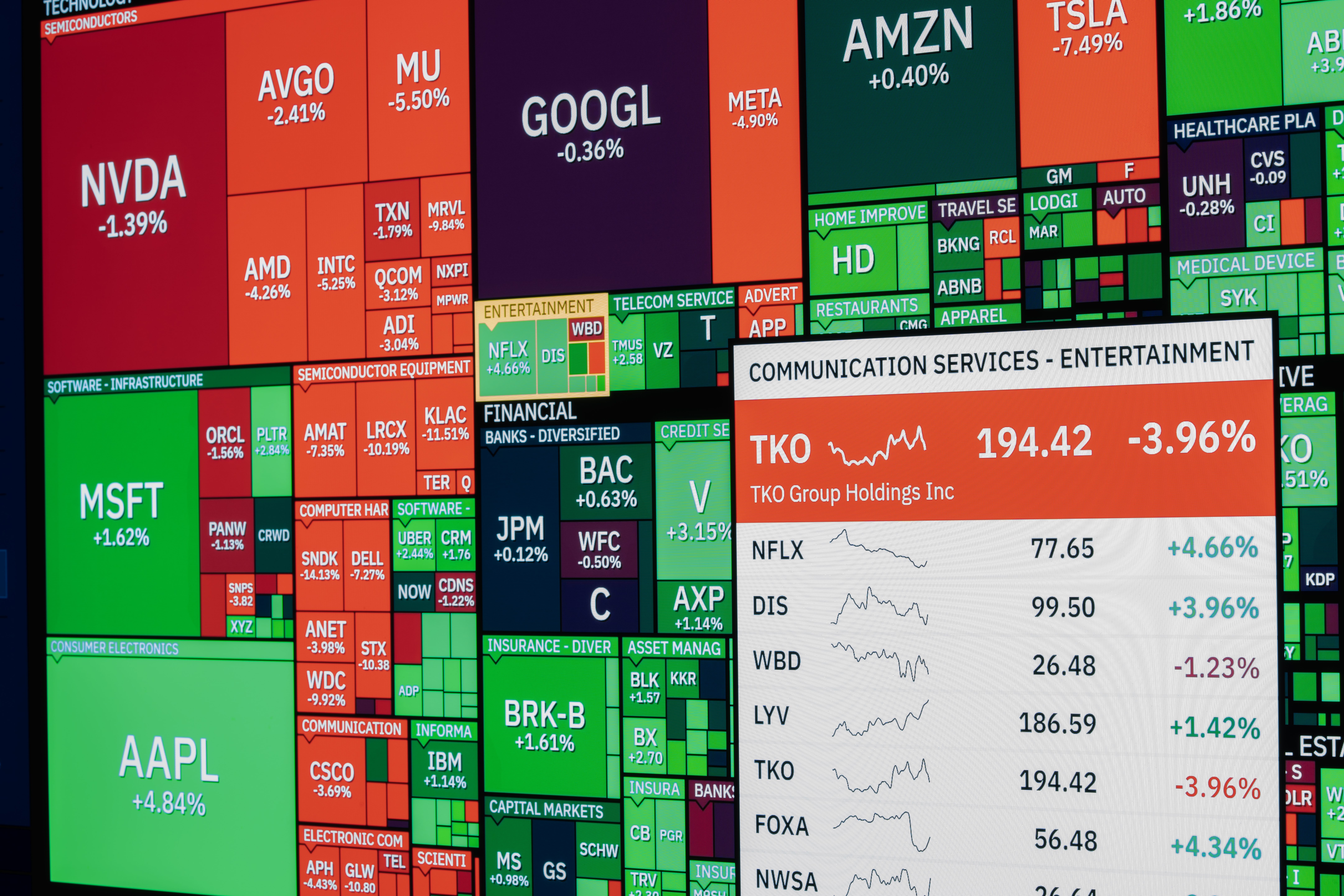
Alphabet's report arrives at a moment of genuine uncertainty for the broader market. The S&P 500 fell 1.5% last week, dragged lower by a 13% decline in Micron Technology and escalating tensions with Iran that have pushed oil prices higher. Of the roughly 50 S&P 500 companies that have reported Q2 results so far, 88% have exceeded analyst expectations, contributing to a blended earnings growth rate of 24.7% year over year. The Magnificent Seven as a group are expected to deliver 31.1% earnings growth - a pace that has been the primary engine of the market's advance.
Options markets are pricing in a 5.3% move in Alphabet shares following tonight's report, reflecting genuine uncertainty about whether the company can clear a bar that has risen considerably since the stock rallied 38% from its March lows. Alphabet has beaten earnings expectations for 13 consecutive quarters, and the stock averages a 1.3% advance on earnings days. But the margin of safety has narrowed, and the questions being asked tonight - about capex returns, Cloud growth sustainability, and Gemini's competitive position - are bigger than any single quarter's numbers can fully answer.
What tonight's report will reveal is not just whether Alphabet beat a consensus estimate. It will reveal whether the most aggressive AI infrastructure bet in corporate history is beginning to pay off - or whether the bill is coming due before the returns have arrived.