Apple's $45 Billion Chip Hunt: Why the World's Most Valuable Company Can No Longer Build Its Own AI Brain

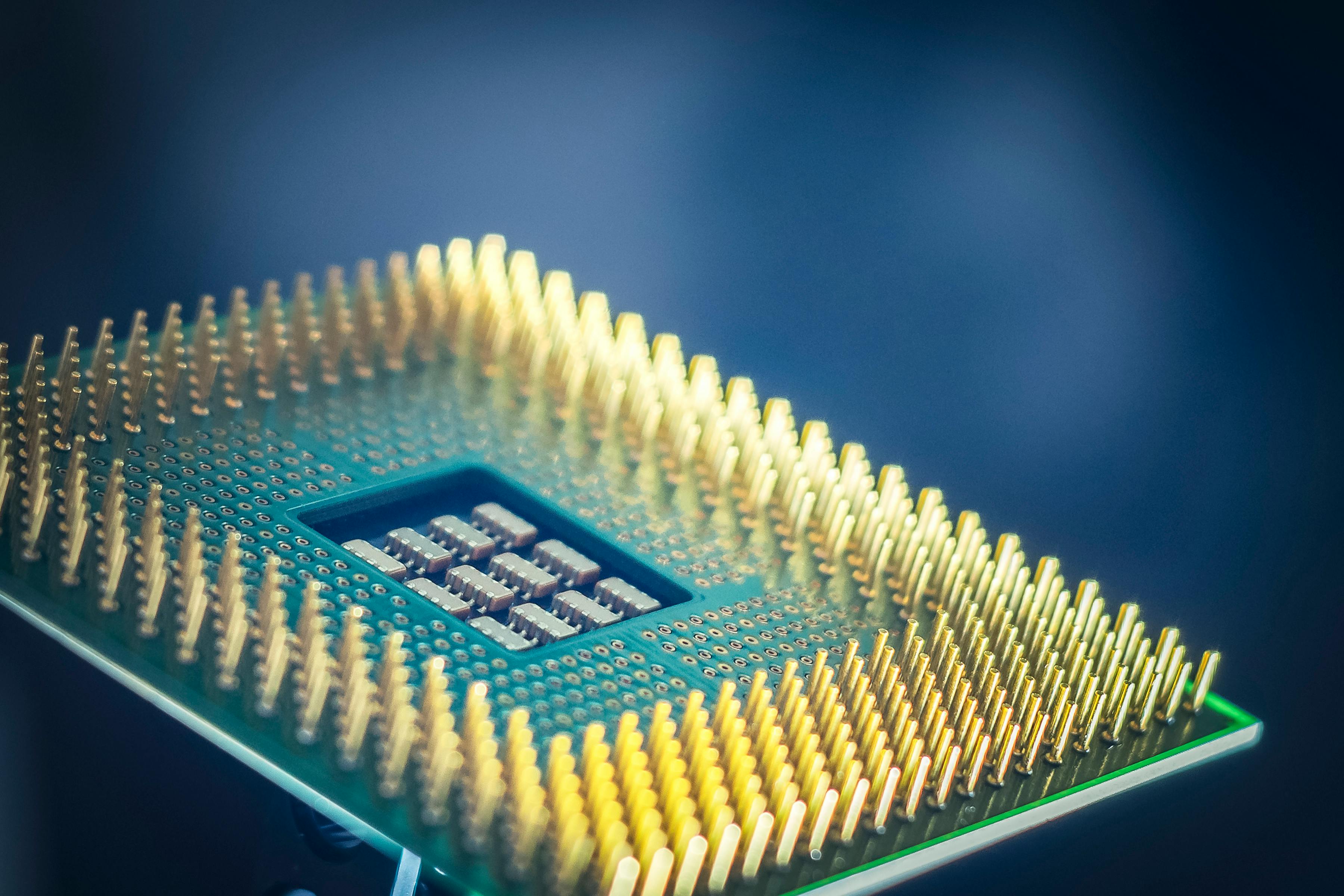
There is a number that captures the scale of Apple's AI problem: 45.57. That is how many billion dollars Apple had in cash and cash equivalents as of March 28, 2026 - and according to a report published Wednesday by The Information, the company is now actively shopping that war chest around Silicon Valley, approaching AI chip startups and speaking with investment bankers about potential acquisitions. The goal is straightforward and the admission behind it is not: Apple cannot build the AI server chips it needs fast enough on its own.
For a company that has spent nearly two decades positioning its custom silicon as a core competitive advantage - the reason iPhones are faster, MacBooks run longer, and Apple products feel different from everything else - that admission carries real weight. The PA Semi acquisition in 2008 for $278 million was the seed that grew into the M-series chips that now power every Mac, iPad, and iPhone. Apple Silicon became the company's most celebrated engineering achievement. And now, in the most consequential technology transition since the smartphone, that same chip team is running behind.
The Siri Problem That Started It All
The proximate cause of Apple's acquisition hunt is a story about ambition colliding with physics. When Apple engineers set out to rebuild Siri as a genuinely competitive AI assistant - powered by Google's Gemini models under a partnership announced in 2026 - they attempted to run those models on Apple's own server infrastructure. The chips they had, internally designed M2 Ultra processors built with Mac workloads in mind, could not handle the scale of a frontier AI model. The solution was embarrassing in its simplicity: Apple had to route portions of the new Siri's workload through Nvidia chips housed inside Google's cloud infrastructure.
That arrangement - the world's most valuable company paying to use a competitor's chips inside another competitor's cloud - is precisely what Apple's acquisition push is designed to eliminate. The company had been developing a next-generation AI server chip internally, code-named Baltra, that was expected to ship this year. That project has been pushed back. Meanwhile, Apple is developing a server chip based on the M5 Ultra, and a future M7 Ultra chip is reportedly intended to substantially improve AI performance - but that chip is unlikely to be ready before 2029. Three years is an eternity in the current AI race.
A Strategic Shift Hidden in Plain Sight
What makes this moment genuinely significant is not just the chip problem - it is the broader strategic shift Apple is signaling. The company has historically avoided large acquisitions with almost religious discipline. Its largest deal ever was the $3 billion purchase of Beats Electronics in 2014. Its most recent acquisition, Q.ai, an Israeli audio AI company, closed in January 2026 for close to $2 billion - the second-largest in Apple's history.
But during Apple's most recent quarterly earnings call, CFO Kevan Parekh told analysts the company would no longer target "net cash neutral" status - the long-standing policy of keeping cash reserves roughly in line with total debt. That policy change was delivered without explanation, but its implication is clear: Apple is freeing up capital for something larger than its historical acquisition playbook. With $45.57 billion in cash and a market capitalization above $3 trillion, Apple has the resources to make a transformative chip acquisition if it chooses to. The question is whether the right target exists.
The timing of the leadership transition adds another layer. Tim Cook is stepping down as CEO in September, with hardware chief John Ternus set to take the helm. Johny Srouji, the executive who built Apple Silicon into what it is today, has been given expanded responsibility over all of Apple's hardware engineering. The incoming leadership team has a direct financial and reputational stake in solving the AI chip problem. An acquisition that accelerates Apple's server chip capabilities would be a defining early move for the Ternus era.
What Apple Is Actually Buying
The chip startup landscape Apple is reportedly surveying is not short of candidates. The AI infrastructure boom has spawned a generation of companies building specialized processors for inference, training, and memory-intensive workloads - the exact capabilities Apple's M-series chips lack at server scale. Companies like Groq, Cerebras, and SambaNova have raised billions building AI-specific silicon. Smaller startups focused on inference efficiency and memory bandwidth are precisely the kind of targets that fit Apple's historical acquisition profile: deep technical talent, specific intellectual property, and a team that can be absorbed into Apple's engineering culture.
The parallel with PA Semi is instructive. Apple did not buy PA Semi because it needed a chip company. It bought PA Semi because it needed the specific expertise to build ultra-low-power processors for mobile devices - a capability that did not exist inside Apple at the time. The result, over the following decade, was Apple Silicon. The current acquisition hunt follows the same logic: Apple needs server-class AI chip expertise that its existing team, optimized for battery-powered devices, does not possess. An acquisition is faster than building that expertise from scratch.
The Nvidia Dependency Apple Cannot Afford
The strategic stakes extend beyond product performance. Apple's current dependence on Nvidia chips for AI inference creates a structural vulnerability that the company's leadership almost certainly finds intolerable. Nvidia controls the dominant position in AI server hardware, and its pricing power reflects that dominance. Every dollar Apple spends on Nvidia chips to run Siri is a dollar that does not flow through Apple's own supply chain - and a reminder that in the most important technology transition of the decade, Apple is a customer rather than a supplier.
TSMC's earnings report released Thursday morning underscored just how much is at stake. The world's largest contract chipmaker posted a 77 percent jump in second-quarter net profit, hitting a record $21.99 billion, driven entirely by surging demand for AI processors. The AI chip market is not a future opportunity. It is a present reality generating extraordinary returns for the companies that have positioned themselves correctly. Apple, which manufactures its chips at TSMC and has a $30 billion-plus supply deal with Broadcom through 2031, is deeply embedded in the AI chip supply chain - but on the wrong side of the value equation for server workloads.
The Acquisition That Could Change Everything
Apple's chip acquisition hunt is not guaranteed to produce a deal. The company has approached startups and spoken with bankers, but no transaction has been announced, and Apple's history of disciplined capital allocation means it will not overpay simply because the strategic logic is compelling. The right target at the right price may not exist today.
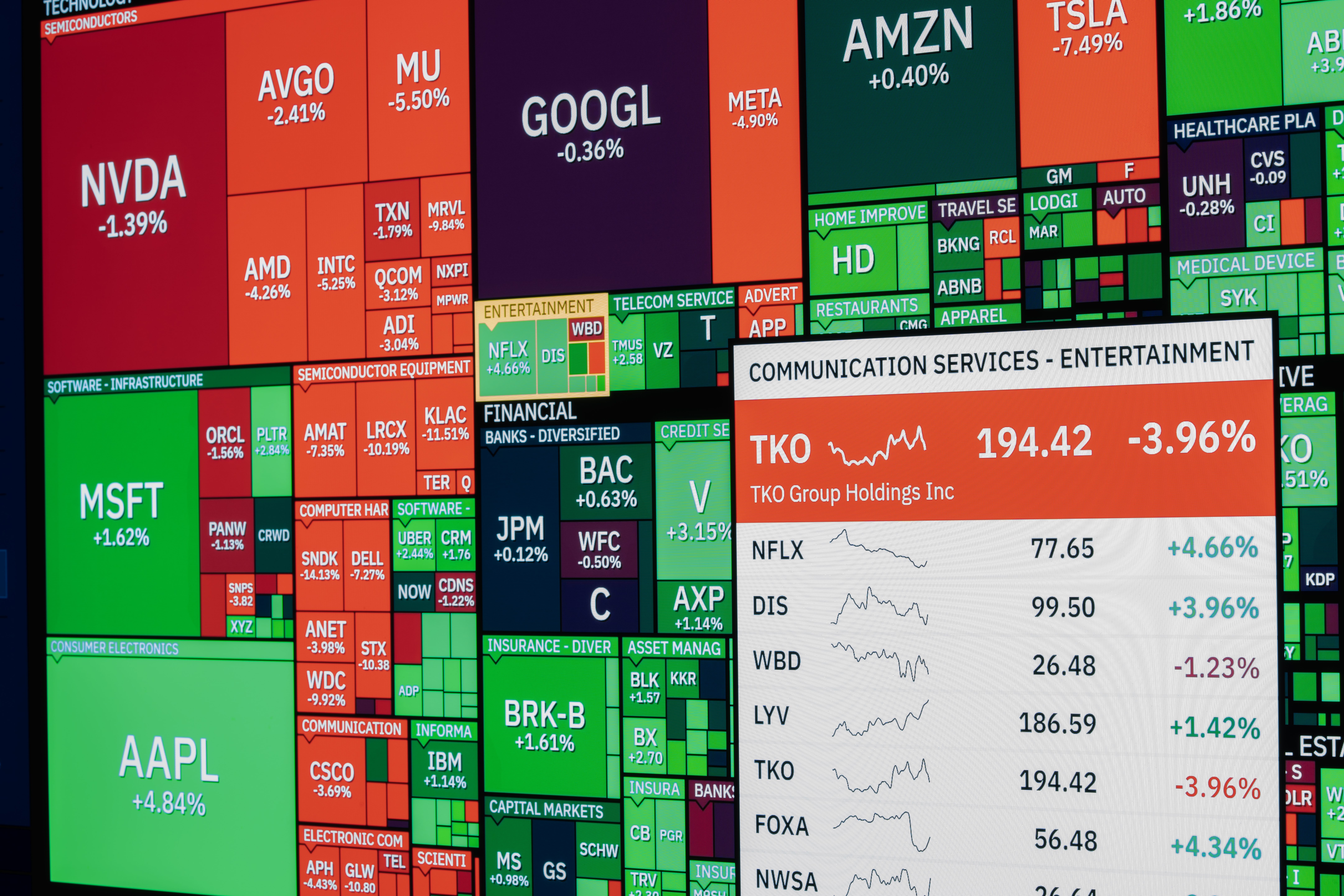
But the signal the market sent on Wednesday was unambiguous. Apple shares rose 4 percent on the news - the best performance among the Magnificent Seven on a day when chip stocks broadly sold off. Investors are not rewarding Apple for a deal it has not yet made. They are rewarding the company for finally acknowledging, publicly and through its actions, that the AI era requires a different kind of chip strategy than the one that built Apple Silicon. The PA Semi acquisition took years to bear fruit. The next one may need to move faster. The AI race does not wait for anyone - not even the world's most valuable company.