Apple's WWDC 2026: Why Siri 2.0 Could Be the Most Important Product Launch in a Decade

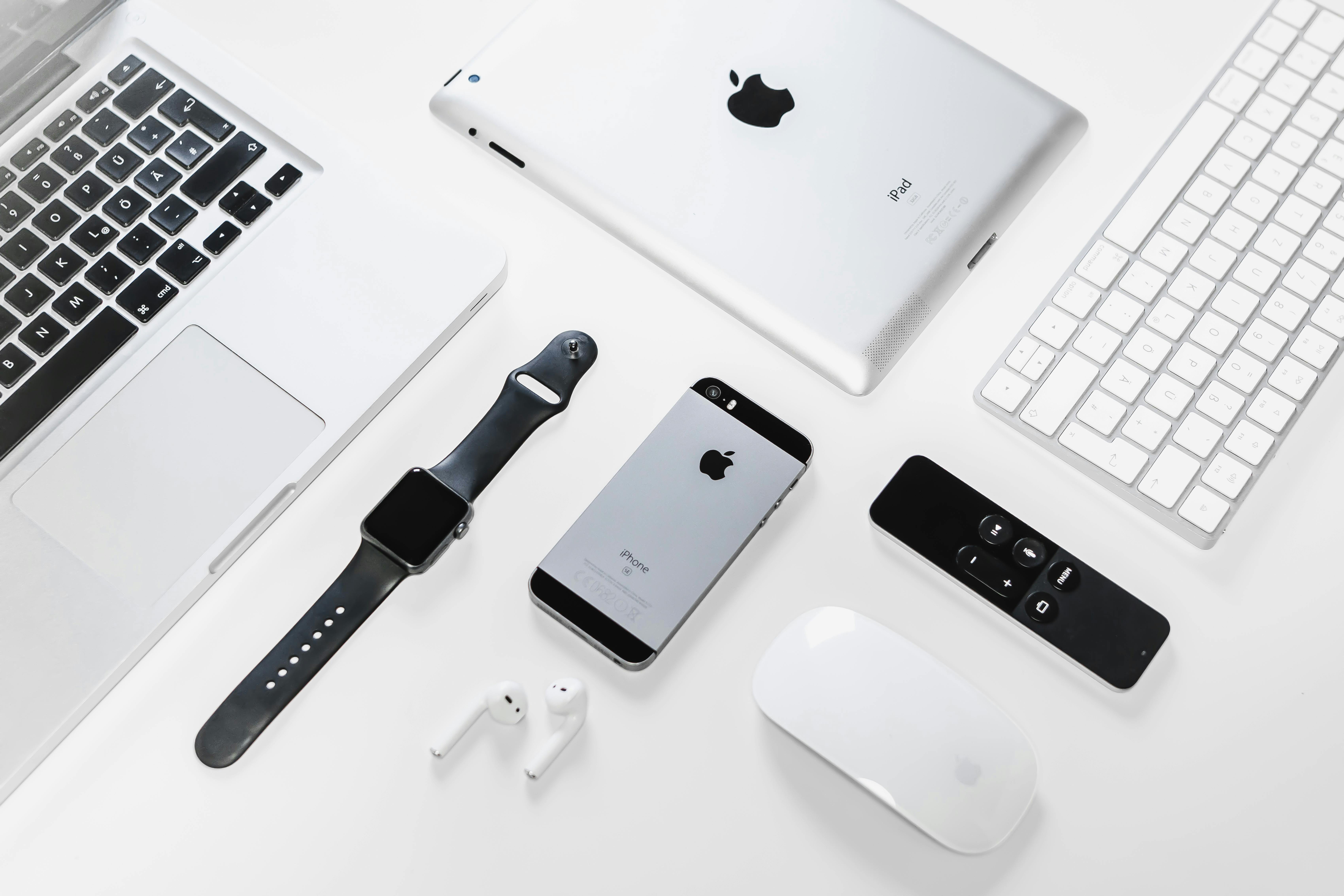
There is a number that captures the stakes of what Apple is unveiling today at its Worldwide Developers Conference in Cupertino: 1.6 billion. That is the size of Apple's installed iPhone base - the largest captive consumer technology audience on the planet. For years, that audience has been waiting for Apple to catch up on artificial intelligence. Today, at WWDC 2026, the company is making its most consequential attempt yet to close the gap.
The centerpiece of the keynote is a sweeping overhaul of Siri, Apple's long-struggling digital assistant. The revamped Siri - internally referred to as Siri 2.0 - is being rebuilt from the ground up as a conversational AI platform capable of understanding context, handling multi-step tasks, and operating across apps and user data in ways the original assistant never could. It is, in the most direct sense, Apple's answer to ChatGPT, Claude, and Google Gemini. And it is arriving two years later than the company originally promised.
The Architecture Behind the Overhaul
The technical foundation of the new Siri is worth understanding, because it reveals something important about Apple's AI strategy. Rather than building a large language model entirely in-house, Apple is leveraging Google's Gemini technology as a base, reportedly paying Alphabet approximately $1 billion annually for access. That arrangement - a company with a $3 trillion market cap licensing AI infrastructure from a competitor - is an unusual posture for Apple, which has historically prided itself on vertical integration. It is also a pragmatic one. The AI race moved faster than Apple's internal development timeline, and the company made a calculated decision to buy time while it builds its own models.
The new Siri will also support a standalone app - a direct interface for text, voice, and attachments that stores conversation history and competes head-on with the major AI chatbots. Apple is additionally introducing an AI agent integration with the App Store, allowing Siri to delegate tasks such as booking reservations, managing documents, and controlling smart home devices across third-party applications. That agentic capability is the piece that matters most for long-term monetization: a Siri that can actually do things, rather than just answer questions, is a Siri that justifies a services revenue premium.
The Investment Case
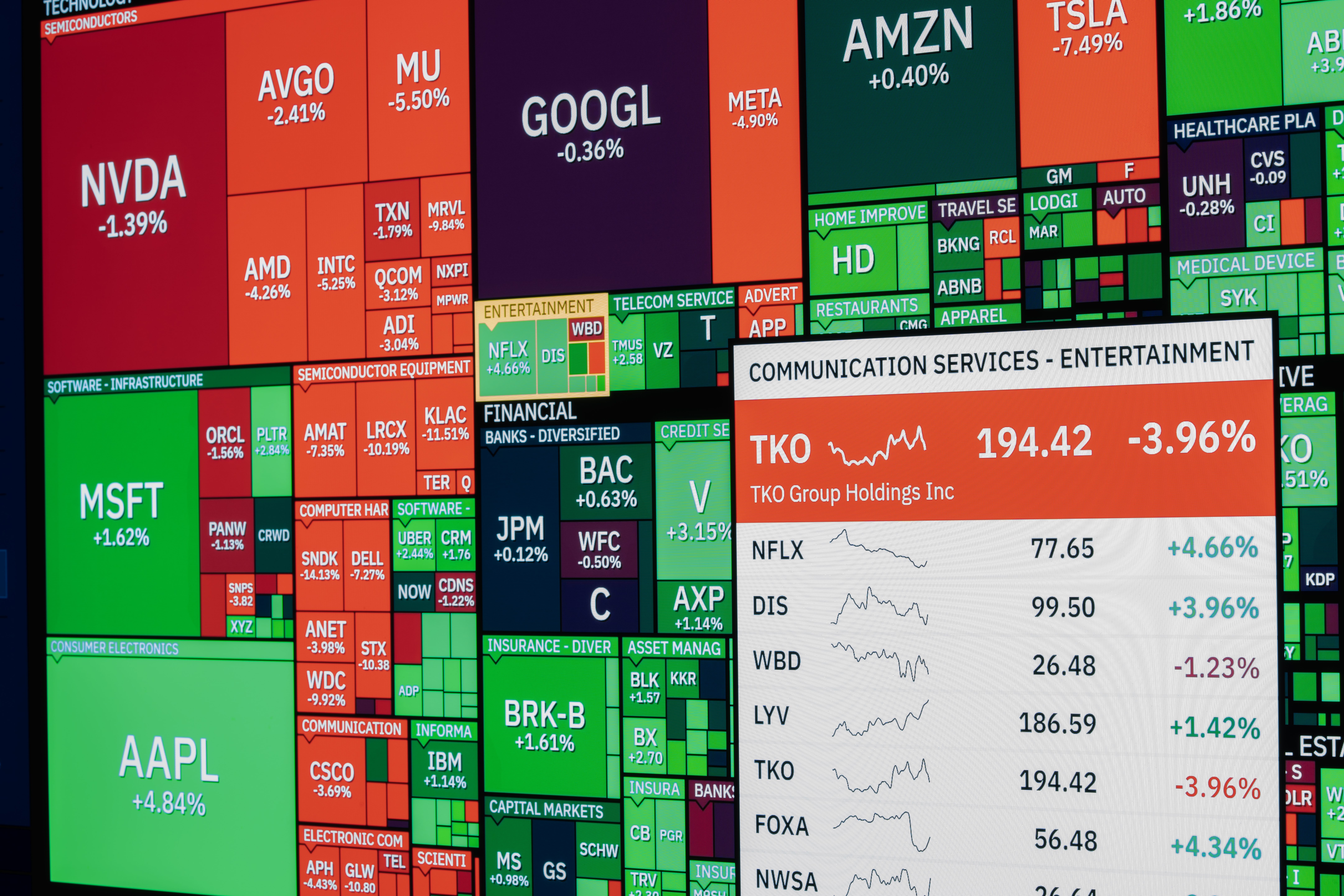
Wall Street has been watching this moment closely. Apple stock closed at $307.34 on Friday, down 1.3% on a broadly weak day for markets, and has been in a holding pattern ahead of the keynote. The analyst community is divided on how much of a catalyst WWDC can be, given that most of the Siri details have already leaked.
Morgan Stanley analyst Erik Woodring is among the more optimistic voices. He rates Apple as overweight with a $330 price target and argues that "WWDC 2026 is a pivotal catalyst to reframe Apple as an AI winner, potentially driving multiple expansion." His thesis rests on two pillars: first, that a credible agentic AI platform will accelerate the iPhone upgrade cycle, particularly among the more than 50% of Apple's installed base that cannot run Apple Intelligence on their current devices; and second, that Siri monetization through services - subscriptions, API access, enterprise licensing - represents a revenue stream that is not yet priced into the stock.
Wedbush analyst Dan Ives is more emphatic. He rates Apple as outperform with a $400 price target and expects "fireworks" from the keynote. "We strongly believe this will be the start of an AI monetization period of the Apple ecosystem," Ives wrote ahead of the event. JPMorgan's Samik Chatterjee, also overweight at $325, frames WWDC as the kickoff for Apple's fall product cycle, with the new Siri expected to launch commercially alongside the iPhone 18 in September. UBS is more cautious, maintaining a neutral rating at $296 and noting that much of the news has already been priced in.
The Broader Context
The timing of Apple's AI push matters beyond the company itself. WWDC 2026 is arriving in a market that has just absorbed a brutal week for semiconductor stocks - the SOX index fell more than 10% on Friday alone - and where the AI trade is being stress-tested by a combination of hawkish Fed signals and the question of whether AI infrastructure spending will generate returns commensurate with the capital being deployed. Apple's announcement does not directly address those concerns, but it does add a new dimension to the AI story: the consumer monetization layer.
The hyperscalers - Alphabet, Microsoft, Amazon, Meta - have been spending hundreds of billions of dollars building AI infrastructure. Apple is not building infrastructure. It is building the interface through which 1.6 billion people will interact with AI on a daily basis. If Siri 2.0 delivers on its promise, Apple becomes the distribution layer for the AI era - the company that sits between the models and the users, collecting a toll on every interaction. That is a different kind of AI bet than the ones Wall Street has been pricing, and it may be the most durable one of all.
WWDC 2026 is also notable for a reason that has nothing to do with Siri. It is expected to be Tim Cook's final WWDC as CEO, with John Ternus - Apple's head of hardware engineering - widely anticipated to succeed him. The transition adds a layer of significance to today's keynote: Cook's AI legacy is on the line, and the product he is handing his successor will define whether Apple enters the next decade as an AI winner or an AI also-ran. The market opens its verdict today.