Fox's $22 Billion Roku Bet: Lachlan Murdoch's Living Room Gamble

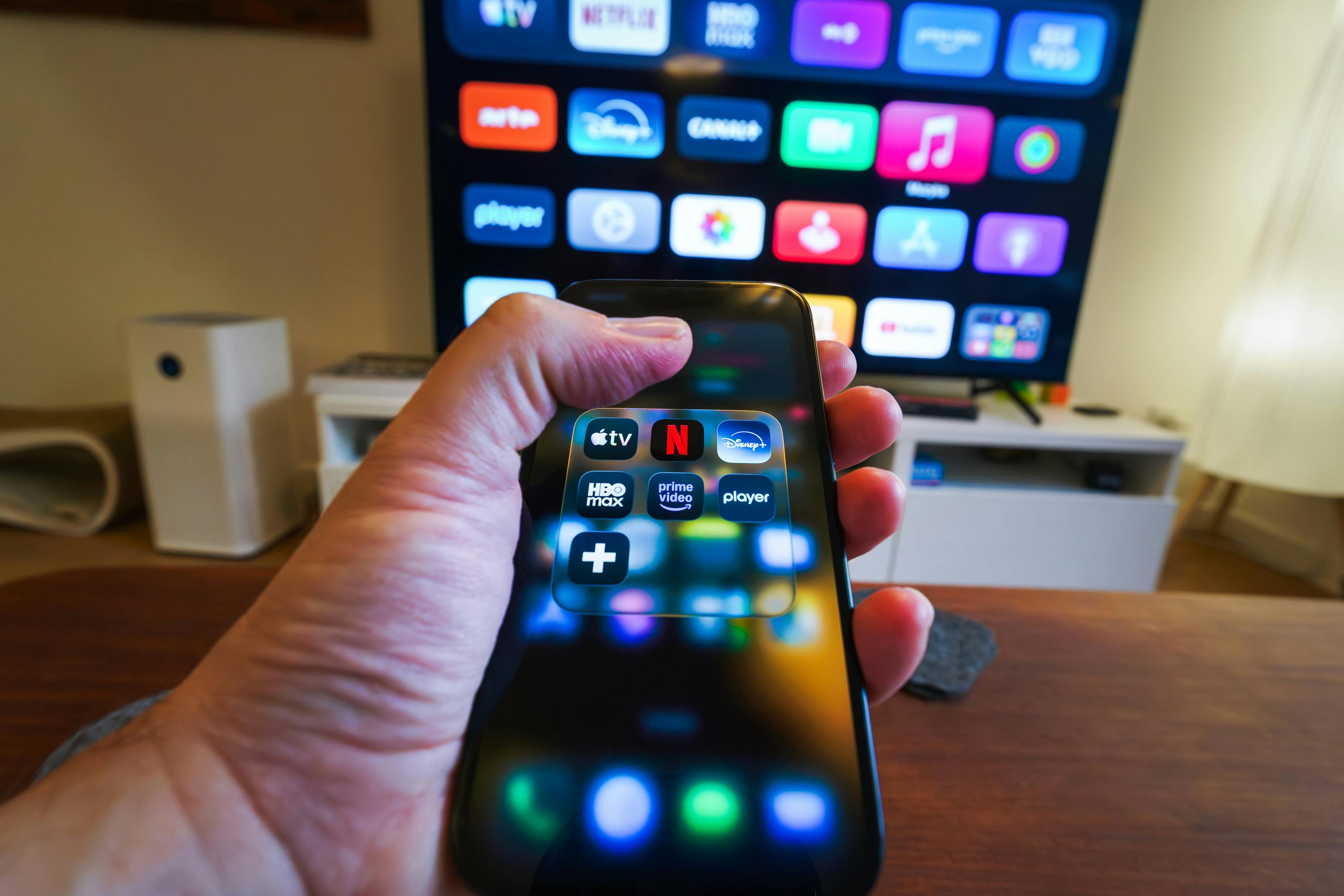
There is a number that captures the audacity of Fox Corporation's latest move better than any press release: 100 million. That is how many households use Roku's streaming platform - a captive audience that Lachlan Murdoch just agreed to pay $22 billion to access. The deal, announced Monday June 15, is the biggest bet of Murdoch's tenure as Fox CEO, and it raises a question that Wall Street is already arguing about: is this a masterstroke of digital transformation, or the latest chapter in media's long history of expensive mistakes?
The Deal in Plain Terms
Under the agreement, Roku shareholders will receive $96 in cash and approximately 0.97 Fox Class A shares for each share held, valuing the offer at $160 per share - a 33.7% premium to Roku's closing price on Thursday, the day before reports of a potential deal first surfaced. The total enterprise value comes to roughly $22 billion, with Fox taking on approximately $8.3 billion in new debt to fund the cash portion. Fox shareholders will own about 73% of the combined company after closing, which is expected in the first half of 2027. The deal is projected to generate around $400 million in annual cost savings.
Roku founder and CEO Anthony Wood, who controls more than 55% of Roku's voting rights and stands to pocket roughly $3 billion from the sale, will retain a seat on Fox's board. That detail matters: Wood's continued involvement signals this is not a pure acquisition play but a strategic partnership between a content powerhouse and a distribution platform that has quietly become the operating system of the American living room.
Why Fox Wants This
Fox's core business - live sports, news, and the Tubi ad-supported streaming platform - is structurally dependent on distribution. The company has watched cord-cutting accelerate for years, eroding the cable bundle that once guaranteed eyeballs for NFL games and Fox News broadcasts. Roku solves that problem in one transaction. With more than 100 million active households and billing relationships with over 20 million customers, Roku gives Fox a direct-to-consumer pipeline that would take years and billions of dollars to build organically.
The advertising angle is equally compelling. Roku's first-party data on viewing habits is among the most granular in the industry. For a company like Fox, which generates a significant portion of its revenue from advertising on live sports and news - content that commands premium ad rates precisely because it is watched in real time - the ability to layer Roku's targeting data onto that inventory is potentially transformative. J.P. Morgan analyst Cory Carpenter described the deal as a fundamental pivot toward digital that addresses long-term concerns about Fox's legacy pay-TV exposure.
Why the Market Is Skeptical
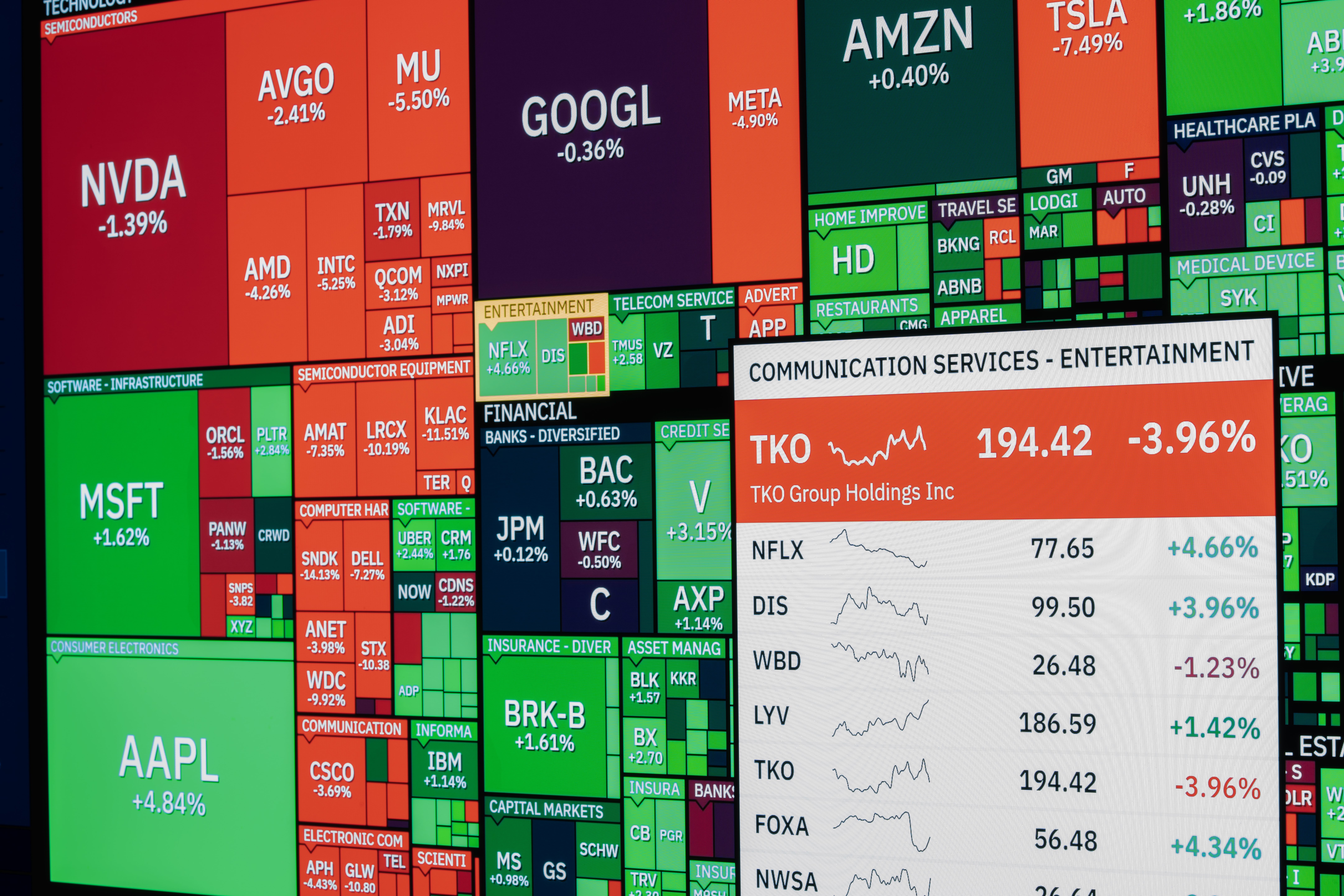
Fox shares fell nearly 17% in early trading Monday, a reaction that reflects genuine concern about execution risk and stock dilution. TD Cowen analyst Doug Creutz was blunt: "We tend to be skeptical that this deal will generate value for Fox shareholders. The history of content/platform mergers in media has generally not been kind."
That history is worth taking seriously. AT&T paid $85 billion for Time Warner in 2018, convinced that owning content would supercharge its phone business. Three years later, it sold the media assets to Discovery at a fraction of the strategic premium it had paid. Comcast's acquisition of NBCUniversal has fared better, but the integration took years and the synergies were slower to materialize than promised. The graveyard of content-meets-distribution deals is well-populated.
There is also a structural tension at the heart of this transaction. Roku currently carries streaming apps from Fox competitors - Paramount, NBCUniversal, Netflix, and others. Those companies now find themselves distributing their content through a platform owned by a direct rival. Murdoch was dismissive of the concern on Monday's investor call, noting that Fox already has healthy partnerships with YouTube TV and Comcast. But the competitive dynamics will be watched closely, and any perception that Fox is tilting the Roku platform in its own favor could trigger regulatory scrutiny or partner defections.
The Bigger Picture for Media Consolidation
The Fox-Roku deal does not exist in isolation. It is the latest move in a broader consolidation wave reshaping the media landscape as traditional broadcasters scramble to build scale in a streaming-first world. The combined company would rank as the third-largest player in total TV viewing, behind YouTube and Disney but ahead of Netflix, according to Nielsen data. That positioning matters enormously for advertising negotiations and content licensing deals.
For investors, the key question is whether Fox can execute where others have stumbled. Murdoch has shown discipline in the past - the 2019 sale of most of Fox's entertainment assets to Disney was widely criticized at the time but looks prescient in retrospect, leaving Fox with a focused portfolio of live sports and news that has proven more durable than scripted entertainment. The Roku acquisition tests whether that same strategic clarity can be applied to a complex integration challenge.
What Comes Next
The deal requires regulatory approval and is not expected to close until 2027. In the meantime, both companies will continue operating independently, and the market will have months to debate whether $22 billion was the right price for 100 million households. Roku was trading below the $160 offer price on Monday, suggesting some investors doubt the deal closes on current terms or that a competing bid emerges.
What is not in doubt is that Lachlan Murdoch has made his intentions clear. Fox is not content to be a content company that depends on other people's pipes. The living room is the battlefield, and Fox just made its most aggressive move yet to own a piece of it. Whether that move looks brilliant or reckless will depend entirely on what happens after the ink dries.