Google Cloud's 82% Surge: What Alphabet's Q2 Results Reveal About the AI Spending Endgame
Google Cloud's 82% revenue growth in Q2 2026 beat expectations, but Alphabet's stock fell due to surging capital expenditure guidance reaching $205 billion annually. Explore what this means for the AI infrastructure spending cycle.

There is a number that captures the central tension in Alphabet's second-quarter 2026 earnings report: 82. That is the percentage by which Google Cloud revenue grew year-over-year, surging to $24.8 billion against analyst expectations of $22.4 billion. It is a number that, in any other context, would send a stock soaring. Instead, Alphabet shares fell more than 3% in after-hours trading on Wednesday. The reason tells you everything about where the AI infrastructure cycle stands right now.
The Cloud Number That Should Have Been Enough
Google Cloud's 82% growth rate is not just a beat - it is a statement. Analysts had penciled in 63% growth. The actual result nearly doubled that expectation, pushing Google's cloud backlog to $514 billion and accelerating its lead over Microsoft Azure and Amazon Web Services in the race for AI workloads. For context, Google Cloud crossed $20 billion in quarterly revenue just last quarter. It has now added nearly $5 billion in a single quarter. The business is scaling at a pace that would have seemed implausible two years ago.
CEO Sundar Pichai framed the results in unmistakably bullish terms. The Gemini App now has 950 million monthly active users and processes 22 billion API tokens per minute, up from 16 billion last quarter. Google's AI coding tool Antigravity has 2.4 million weekly active users. YouTube advertising jumped 13% to $11.06 billion. Search revenue grew 17% to $63.3 billion. Total revenue rose 24% to $119.8 billion. By almost every operational metric, this was a blowout quarter.
The $205 Billion Problem
So why did the stock fall? The answer is capital expenditure. Alphabet raised its full-year capex guidance to between $195 billion and $205 billion - up from the $180 billion to $190 billion range it had guided just last quarter, and well above the $188 billion analysts had been modeling. In Q2 alone, capex hit $44.9 billion, a 100% increase year-over-year. Free cash flow turned negative as a result.
Finance chief Anat Ashkenazi explained the increase as a response to demand that continues to outpace supply. "We're still in a supply-constrained environment," she told analysts. "We are seeing very strong demand both from external cloud customers as well as across the business." The company is now planning to lease third-party computing capacity from providers like CoreWeave and Nebius in Q3 as a bridging strategy while it builds out more internal infrastructure - a move that will create "modest margin pressure in the near term."
That phrase - modest margin pressure - is doing a lot of work. Alphabet is essentially telling investors that it will spend aggressively now, accept lower margins temporarily, and trust that the long-term return on AI infrastructure will justify the outlay. It is a bet that has worked for Amazon Web Services over two decades. The question is whether the AI cycle compresses that timeline, or whether the spending simply keeps escalating.
The Investor Patience Test
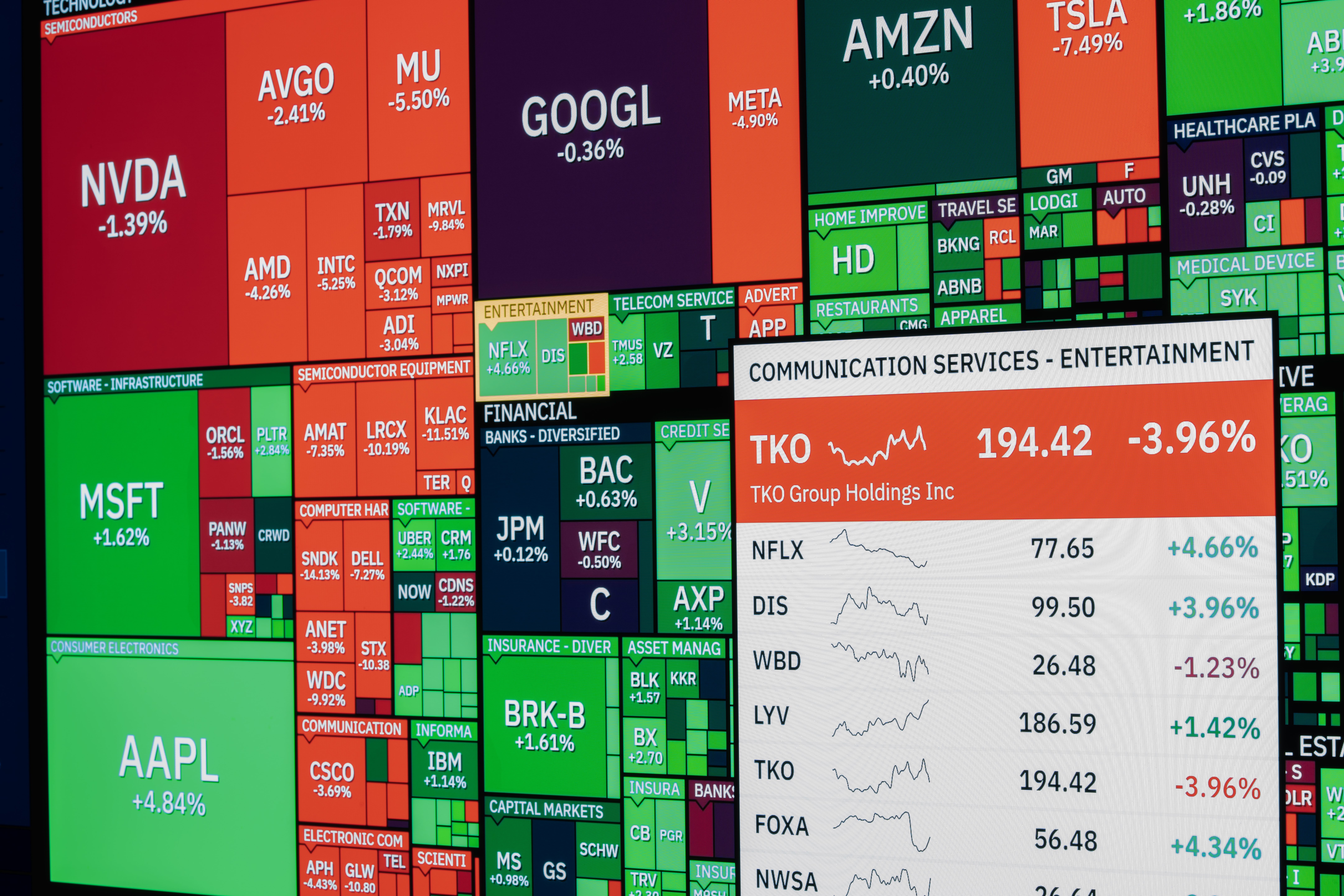
The market's reaction to Alphabet's results is a microcosm of a broader tension playing out across the Magnificent Seven this earnings season. Investors came into Q2 expecting strong AI-driven growth. They are getting it. But they are also getting capex numbers that keep moving higher, free cash flow that is being consumed by infrastructure buildout, and guidance that suggests the spending cycle is not close to peaking.
Gene Munster of Deepwater Asset Management argued that the stock should ultimately trade higher once investors digest the cloud beat. He has a point. A $514 billion cloud backlog is not a number that suggests demand is softening. But the market is increasingly asking a harder question: at what point does the return on AI infrastructure spending become visible in the income statement? Google Cloud's operating margin, while not disclosed separately in granular detail, is being pressured by the very capacity investments that are driving its growth.
There is also the search question. Ashkenazi warned analysts to brace for tougher year-over-year comparisons in Q3 search revenue, as Google begins lapping an acceleration that began in Q3 2025. Search revenue of $63.3 billion came in slightly below the $63.4 billion estimate - a small miss, but one that investors noticed. In a quarter where everything else beat, a search miss carries symbolic weight.
What Comes Next
Alphabet's Q2 results set the tone for the rest of big tech earnings season. Microsoft, Amazon, and Meta all report in the coming days, and each faces the same fundamental question: can AI infrastructure spending be justified by the revenue it generates, and how long will investors wait for the answer?
For Alphabet specifically, the next few quarters will be critical. The company is betting that its $205 billion in annual capex will translate into sustained cloud market share gains, deeper enterprise AI adoption, and eventually a Waymo business that "meaningfully contributes" to financials by 2027. Pichai's comment that Google plans to release new AI models "almost every month" suggests the competitive intensity is not easing.
The 82% cloud growth number is real, and it is remarkable. But the market has moved past celebrating growth rates and is now asking about the cost of sustaining them. That is a harder conversation - and one that will define the second half of 2026 for every company in the AI infrastructure trade.