Google's $4.3 Billion Nuclear Bet: What the Constellation Deal Reveals About the AI Power Crisis
Google has contracted 3,590 megawatts of power from Constellation Energy in a landmark $4.3 billion deal, signaling that the AI infrastructure buildout has entered a new phase where the constraint is no longer chips or capital, but electrons.

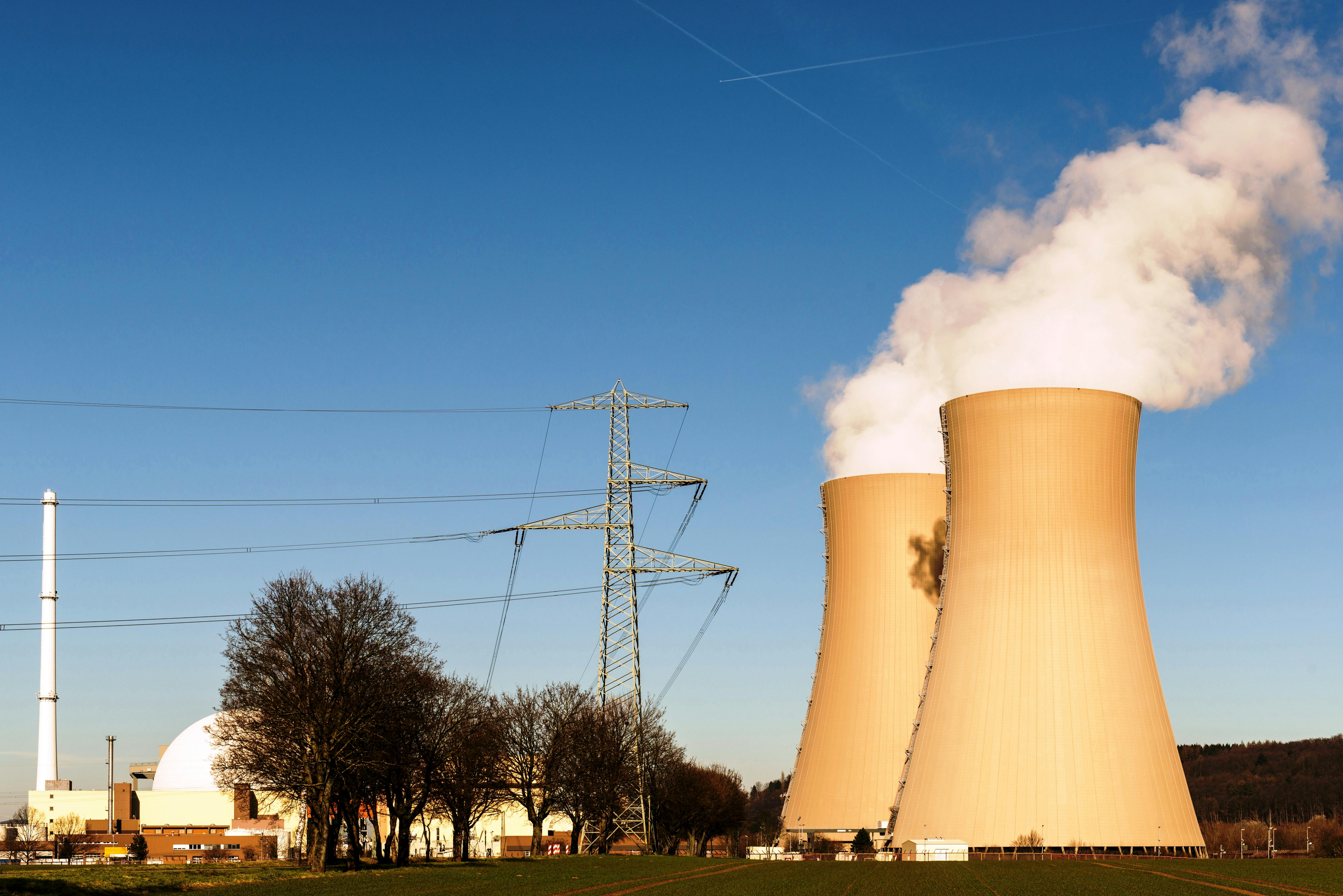
There is a number that Wall Street has been sitting with since Tuesday afternoon: 3,590. That is how many megawatts of power Google has just contracted from Constellation Energy in a landmark deal announced on October 6, 2026 - the largest clean energy procurement agreement in the history of the US power grid. The deal, which includes a 20-year power purchase agreement for 890 megawatts of new nuclear capacity and a separate 15-year supply agreement for an additional 2,700 megawatts, sent Constellation shares surging as much as 15 percent on the day. It also sent a signal that the AI infrastructure buildout has entered a new and more consequential phase - one where the constraint is no longer chips or capital, but electrons.
The Deal in Detail
The mechanics of the agreement are straightforward but the scale is not. Google, through its parent Alphabet, will fund more than $4.3 billion in upgrades across 11 nuclear reactor units at six Constellation-owned plants in Illinois, Pennsylvania, and New Jersey - all within the footprint of PJM Interconnection, the largest electric grid in the United States. The upgrades - modernized turbines, steam generators, and digital control systems - will add 890 megawatts of new nuclear capacity to the grid without requiring a single new reactor to be built. The first upgraded plant is expected to deliver power by 2028. The separate 2,700-megawatt supply agreement provides Constellation with long-term revenue certainty from its existing fleet, effectively backstopping the economics of plants that might otherwise face retirement pressure in a competitive power market.
The deal is also a direct response to a regulatory development that has received less attention than it deserves. PJM management has proposed requiring data center customers connected to the 13-state grid to either bring their own power or face being remotely shut off during peak demand periods. Google and Constellation framed their agreement explicitly as a response to that proposal. In other words, this is not just a voluntary green energy commitment - it is a strategic hedge against the risk of being cut off from the grid that powers Google's data centers serving 67 million people across the Mid-Atlantic and Midwest.
Why Nuclear, and Why Now
The choice of nuclear power over solar or wind is not accidental. AI data centers require power that is available 24 hours a day, 7 days a week, regardless of weather conditions. Solar panels do not generate electricity at night. Wind turbines stop when the air is still. Nuclear reactors run continuously at high capacity factors - typically above 90 percent - making them uniquely suited to the always-on demand profile of large-scale AI inference. That is why every major hyperscaler has been racing to secure nuclear supply. Microsoft restarted Three Mile Island in Pennsylvania to serve its data centers. Google previously contracted to restart a NextEra Energy nuclear plant in Iowa. The Constellation deal is the largest of these arrangements by a significant margin.
The reactor uprate strategy Constellation is deploying is also worth understanding. Rather than building new plants - which take a decade or more and cost tens of billions of dollars - Constellation is extracting more power from existing reactors by upgrading their equipment. The collective 890-megawatt uprate across 11 units is equivalent to adding an entirely new large reactor to the grid, at a fraction of the cost and timeline. For investors, this is a capital-efficient model that generates new revenue from assets that are already built, permitted, and operating.
What the Market Is Telling You
Constellation shares jumped as much as 15 percent on October 6, adding roughly $8 billion in market capitalization in a single session. That reaction reflects something more than enthusiasm about one deal. It reflects a market that is beginning to price in a structural shift in the economics of nuclear power - from a legacy industry fighting for relevance against cheap renewables to a critical infrastructure provider that the most valuable companies in the world are willing to pay a 20-year premium to secure.
The broader energy sector moved with it. Vistra and NRG Energy both rose sharply on the day, as investors extrapolated the Google-Constellation framework to other nuclear and power operators. The Dow Jones Utilities Index posted its best single-day gain in months. The message from the market was clear: reliable, carbon-free baseload power has become a scarce resource, and scarcity commands a premium.
The Constraint That Defines the Next Phase of AI
The Google-Constellation deal arrives at a moment when the AI infrastructure buildout is running into real-world limits on multiple fronts. Oracle's force majeure notice on its New Mexico data center highlighted permitting and pipeline delays. SpaceX's reported $40 billion financing push to buy Nvidia chips underscores the capital intensity of the buildout. And now Google is committing $4.3 billion to secure power for data centers that do not yet exist at full scale.
The pattern is consistent: the bottleneck in the AI economy is no longer the model or the chip. It is the physical infrastructure - the power, the cooling, the grid capacity - required to run AI at scale. Every dollar Google spends on nuclear uprates is a dollar spent on the unglamorous but essential foundation that makes large-scale AI inference possible. For investors watching the AI trade, the Constellation deal is a reminder that the value chain extends well beyond Nvidia and the hyperscalers. The companies that control reliable, carbon-free baseload power in the right grid locations may be among the most durable beneficiaries of the AI buildout - precisely because their product cannot be replicated quickly, cheaply, or at scale.
The 3,590-megawatt number is not just a power procurement figure. It is a statement about where the AI economy is heading - and what it will cost to get there.