The Hormuz Trap: How Trump's Blockade Reinstatement Puts the Fed in an Impossible Position
Trump's reinstatement of the Iranian blockade sends oil surging 9.4% and forces the Federal Reserve into an impossible policy choice between fighting inflation and supporting economic growth.

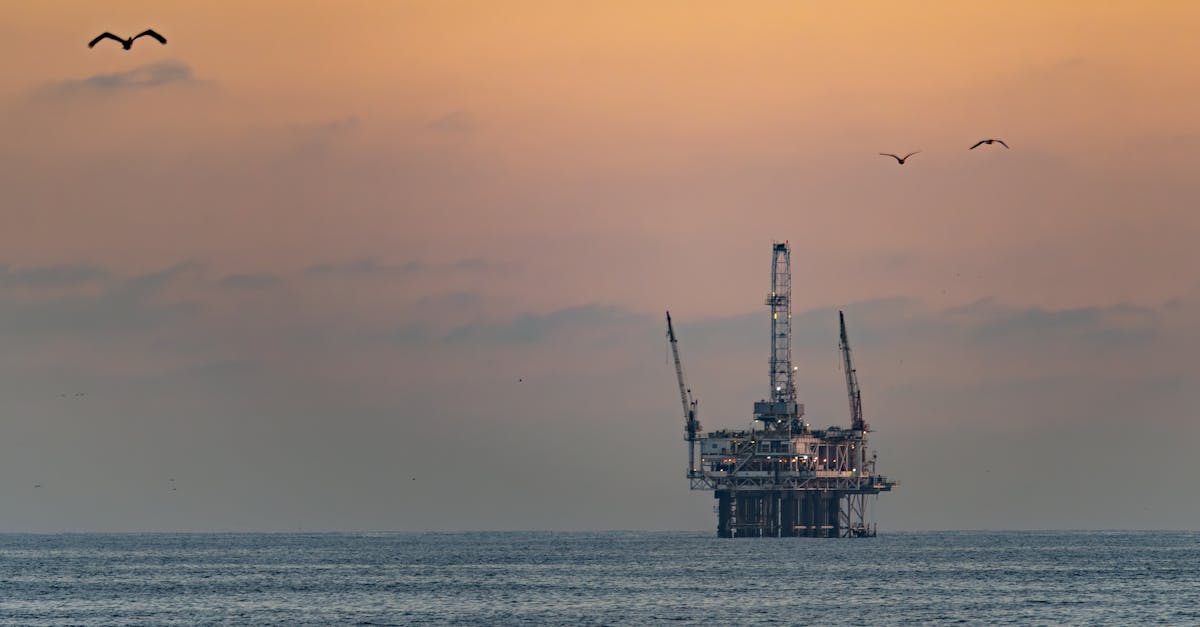
On Sunday night, President Donald Trump posted a message on Truth Social that sent shockwaves through global energy markets. "We are reinstating the THE IRANIAN BLOCKADE," he wrote, declaring the United States the "Guardian of the Hormuz Strait" and announcing a 20% toll on all cargo transiting the waterway. By Monday's close, West Texas Intermediate crude had surged 9.4% to nearly $78 a barrel, the Nasdaq had shed 1.55%, and the odds of a Federal Reserve rate hike at its July 29 meeting had jumped to over 41%. Welcome to the Hormuz Trap.
A Ceasefire That Lasted Six Weeks
The brief peace between Washington and Tehran had been a gift to financial markets. When the ceasefire was announced in early June, oil prices plunged, inflation expectations cooled, and the S&P 500 staged a powerful rally. The June Consumer Price Index, released this morning, is expected to confirm that dynamic: economists polled by Dow Jones forecast headline CPI fell 0.2% month-over-month in June, the first monthly decline since June 2024, with the annual rate dropping from 4.2% to 3.8%. Energy prices, freed by the temporary peace, drove that improvement.
But that relief now looks like a statistical artifact of a ceasefire that was always fragile. Over the weekend, the U.S. and Iran exchanged fresh airstrikes. Tehran declared the Strait of Hormuz closed. Trump disputed that claim but then reinstated the blockade anyway, adding a 20% transit toll that amounts to a de facto tax on global energy trade. The ceasefire dividend is being clawed back in real time.
The Fed's Impossible Calculus
The timing could not be more awkward for Federal Reserve Chair Kevin Warsh, who is testifying before the House Financial Services Committee today - his first appearance before Congress since taking the helm of the central bank. Warsh is walking into a room where the data is pointing in two directions simultaneously.
On one hand, this morning's CPI report is likely to show meaningful progress on inflation, driven almost entirely by the energy price decline that the ceasefire enabled. Core CPI, excluding food and energy, is expected to come in at 2.8% year-over-year, down from 2.9% in May. That is the kind of number that, in a normal environment, would give the Fed room to hold rates steady or even begin discussing cuts.
On the other hand, oil is now back above $78 a barrel and climbing. Goldman Sachs warned in a note that "recent attacks highlight how uncertain Gulf exports remain and that a serious re-escalation could re-intensify the short run upside risk to oil prices." If crude stays elevated, the June CPI improvement will reverse sharply in the July and August readings. The Fed would be cutting into a new inflationary wave - or holding rates high while the economy absorbs an oil shock. Neither option is comfortable.
Markets Are Pricing in Pain
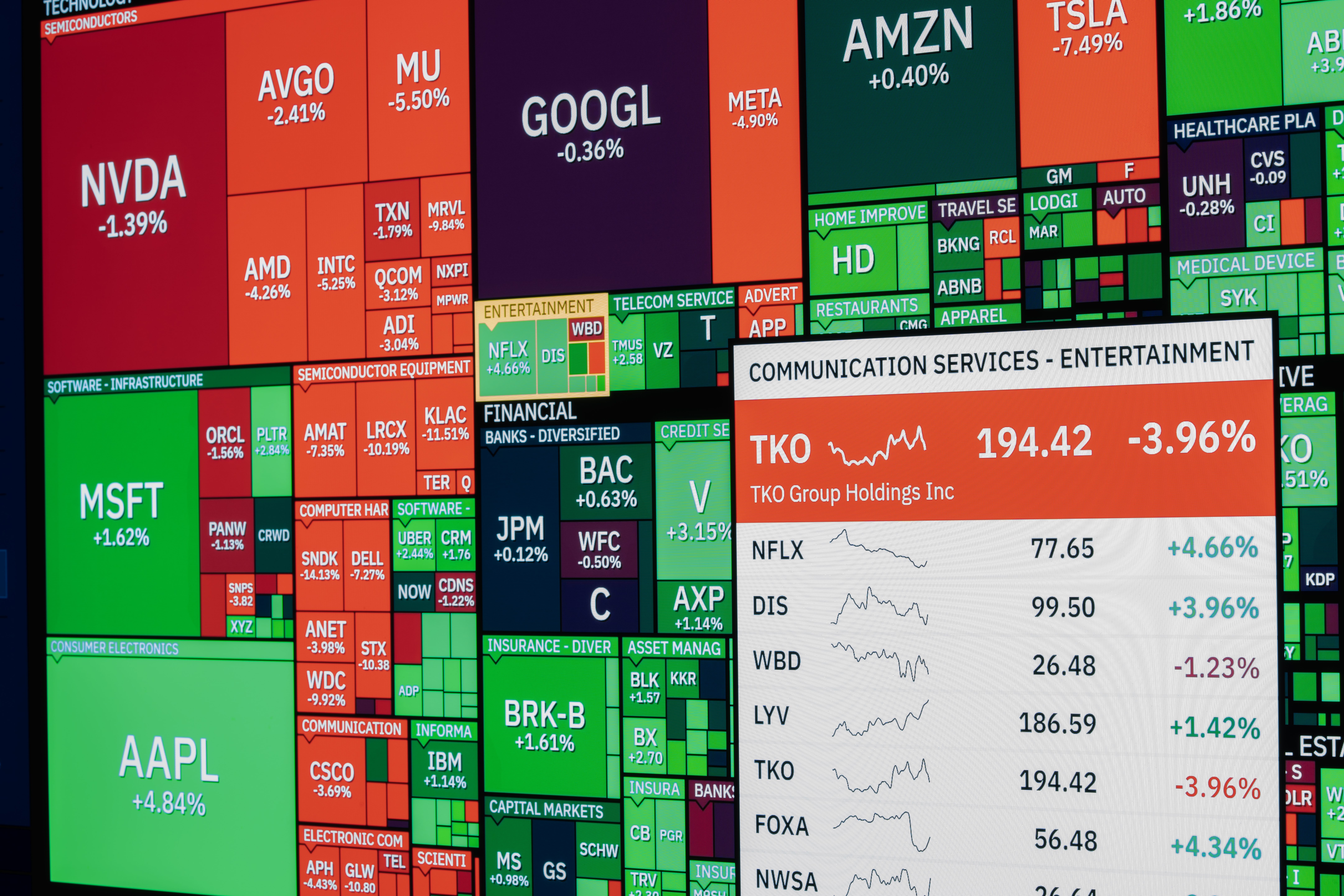
The market reaction on Monday told the story clearly. Energy stocks were the only bright spot, with the S&P 500 Energy Sector surging 3.5% as Valero Energy and Diamondback Energy each gained over 5%. Everything else struggled. Chip stocks, which had been the engine of the 2026 rally, took a double hit: SK Hynix's U.S.-listed shares fell 9% after their Nasdaq debut, and the broader semiconductor selloff accelerated as investors questioned whether the AI infrastructure boom could survive a sustained energy shock and potential rate hike.
The 10-year Treasury yield climbed to 4.62%, up nearly six basis points, as bond markets priced in the possibility that the Fed might be forced to act. Gold, traditionally a safe haven in geopolitical crises, fell 2.7% - a counterintuitive move that reflects how much the market is focused on the inflation and rate-hike implications rather than pure risk-off sentiment.
The Bigger Picture: A Market Held Hostage
What makes the Hormuz situation so dangerous for investors is not just the oil price spike - it is the uncertainty premium it injects into every asset class. Big bank earnings begin today, with JPMorgan Chase, Goldman Sachs, Bank of America, Wells Fargo, and Citigroup all reporting. Analysts expect another strong quarter, with S&P 500 earnings growth of over 23% year-over-year. But bank executives will face pointed questions about the economic outlook, and any cautious guidance on loan growth or consumer health could amplify the market's anxiety.
The deeper problem is structural. The U.S. economy entered 2026 with inflation already running hot at 4.2% in May. The ceasefire provided a temporary reprieve. Now that reprieve is gone, and the Fed faces a scenario where the headline inflation number looks good today but the forward trajectory is deteriorating fast. Warsh has said inflation is "too high" and has declined to signal the Fed's next move. After Monday's oil surge, that ambiguity is not a communications strategy - it is a reflection of genuine uncertainty.
For investors, the lesson is uncomfortable but clear: as long as the Strait of Hormuz remains a geopolitical flashpoint, every rally in risk assets is built on a foundation that can crack overnight. The market is not just watching oil prices. It is watching whether the world's most important shipping lane stays open - and right now, that answer changes with every Truth Social post.