Meta's $18 Billion Reckoning: What the Landmark Child Safety Settlement Means for Big Tech and Wall Street


There is a number that Wall Street has been watching closely this week: 18 billion. That is how many dollars Meta Platforms agreed to pay - spread over the next decade - to settle a landmark federal trial brought by nearly every state in the country over claims that Facebook and Instagram were deliberately designed to addict children and teenagers. The settlement, announced Wednesday in an Oakland, California courtroom, is one of the largest corporate legal payouts in American history, comparable in scale to BP's Deepwater Horizon settlement in 2010. And for investors, it raises a question that goes well beyond Meta's balance sheet: what does this moment mean for the entire social media industry?
The Settlement in Plain Terms
The agreement resolves a federal trial that began on August 18, 2026, in which a coalition of states accused Meta of designing its platforms to "entice, engage and ultimately ensnare" children, while misleading the public about the safety of those products. Four states - California, Colorado, Kentucky, and New Jersey - had been seeking up to $1.4 trillion in civil penalties, a figure roughly equal to Meta's entire market capitalization. The final settlement of $18 billion represents a fraction of that worst-case scenario, which is precisely why Meta's stock rose on the news rather than fell.
The payment structure matters. Meta will make guaranteed payments of approximately $12.7 billion, with an additional $5.3 billion contingent on whether Snapchat, TikTok, and YouTube agree to implement similar child-safety frameworks. California alone will receive at least $1.5 billion. Texas reached a separate settlement worth more than $1 billion. The total payout represents roughly three to four months of Meta's profit - painful, but not existential for a company generating more than $160 billion in annual revenue.
Beyond the money, the behavioral changes are significant. Facebook and Instagram will be blocked by default from midnight to 6 a.m. for teenage users. Notifications will be muted during school hours from 8 a.m. to 3 p.m. Teenagers will face a two-hour daily usage cap across both platforms, removable only with verified parental consent. "Like" counts on teen posts will be disabled by default. Meta will also deploy age-assurance technology to identify underage users and prevent children under 13 from accessing the platforms at all.
Why Wall Street Called This a Victory
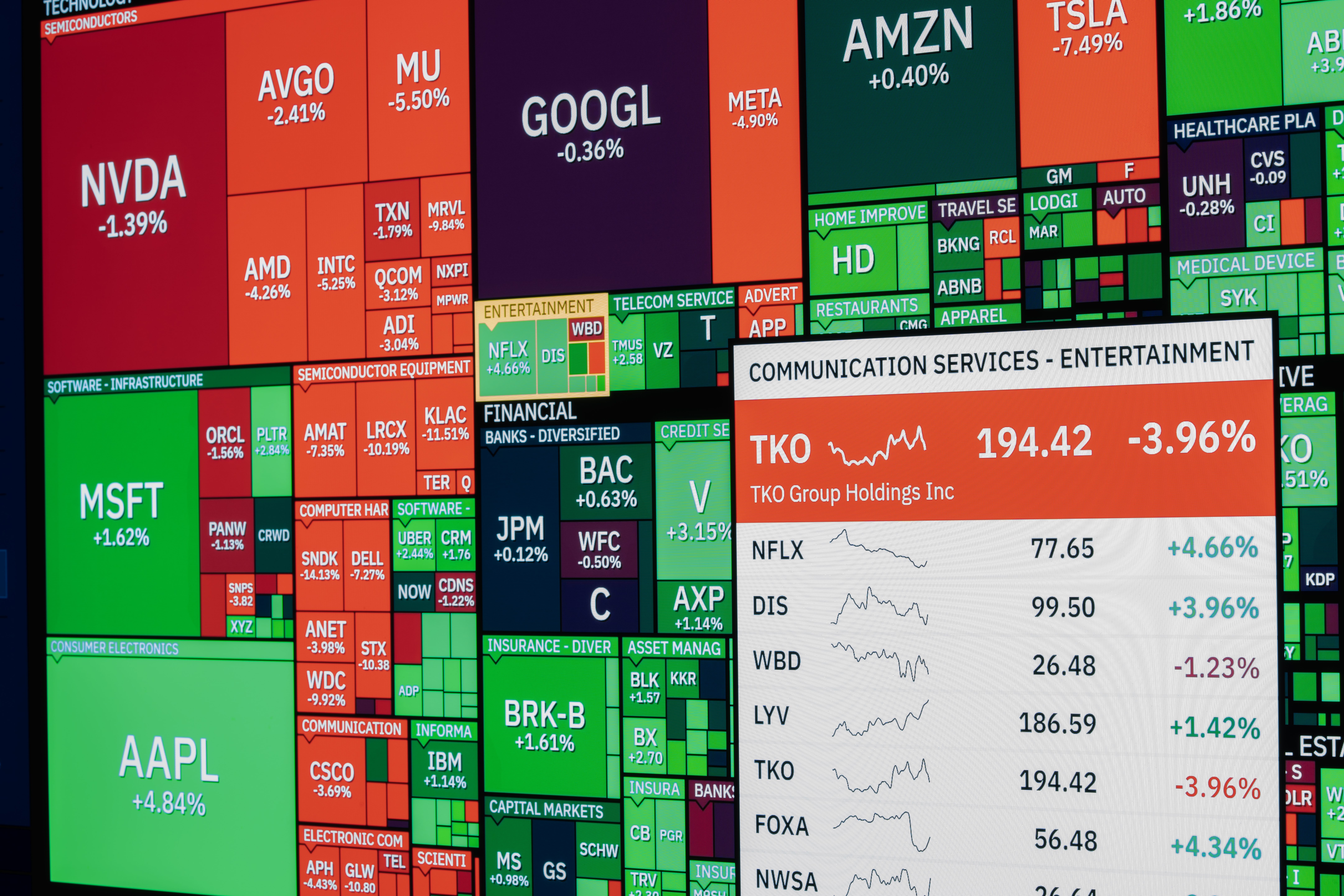
The market's reaction was instructive. Meta shares closed up approximately 1 percent on Wednesday, after briefly surging as much as 4 percent earlier in the session. Evercore ISI analyst Mark Mahaney called the settlement a catalyst for Meta shares, which he said had been "materially dislocated" due to regulatory concerns. Baird analyst Colin Sebastian wrote that Meta had dodged the "worst-case whispers" of far steeper financial penalties and algorithm overhauls. BMO analyst Brian Pitz acknowledged the relief but warned that the settlement could "reinvigorate Congress to increasingly regulate social platforms."
That last point is the one investors should sit with. The settlement removes a specific legal cloud - the federal trial in Oakland - but it does not resolve the broader regulatory trajectory. Meta still faces lawsuits from individual plaintiffs and school districts across the country. Florida's attorney general rejected the deal entirely and plans to continue litigating. New Mexico was not part of the settlement. The company also agreed to pay $459 million separately to resolve states' privacy claims related to the Cambridge Analytica scandal. The legal odyssey is not over. It has simply entered a new chapter.
The Bigger Picture for Big Tech
The Meta settlement is not just a story about one company. It is a stress test for the entire social media industry's relationship with regulators, parents, and the public. The settlement's contingent payment structure - where Meta pays an additional $5.3 billion only if YouTube and TikTok adopt the same framework - is a deliberate attempt to extend the regulatory perimeter beyond Meta's own platforms. Meta's chief legal officer explicitly called on YouTube and TikTok to implement the same restrictions. That framing is strategic: Meta has long argued that stricter controls on its own platforms simply push teenagers to competitors with fewer guardrails.
The comparison to Big Tobacco is worth examining carefully. The 1998 Master Settlement Agreement with tobacco companies cost the industry $240 billion over 25 years and fundamentally restructured how cigarettes were marketed and sold in the United States. Meta's $18 billion settlement is smaller in absolute terms and does not require the company to abandon its core advertising model or its personalized recommendation engine. The settlement does not address some of the content categories that Meta's own researchers identified as most harmful to teenage users. What it does do is establish a legal and behavioral baseline that other platforms will now face pressure to match.
For investors, the settlement resolves the most acute near-term risk while leaving the longer-term regulatory question open. The social media industry has spent years arguing that platform design is protected speech and that addiction is not a recognized psychiatric condition. Wednesday's settlement does not concede those legal arguments - Meta denied wrongdoing - but it does concede that the political and legal cost of fighting them to the end was higher than the cost of settling. That calculation will not be lost on Alphabet, Snap, or ByteDance as they navigate their own exposure in the months ahead.
The $18 billion number is large enough to matter and small enough to survive. Whether it is the beginning of a genuine reckoning for social media's relationship with young users, or simply the price of buying a decade of regulatory breathing room, will depend on what Congress does next - and whether the platforms that agreed to these terms actually enforce them.