Saudi Arabia's Last Oil Lifeline Just Went Dark - What It Means for Markets
Saudi Arabia's East-West pipeline has gone offline after drone attacks, removing a critical export route and threatening global oil supplies with cascading implications for inflation and Fed policy.

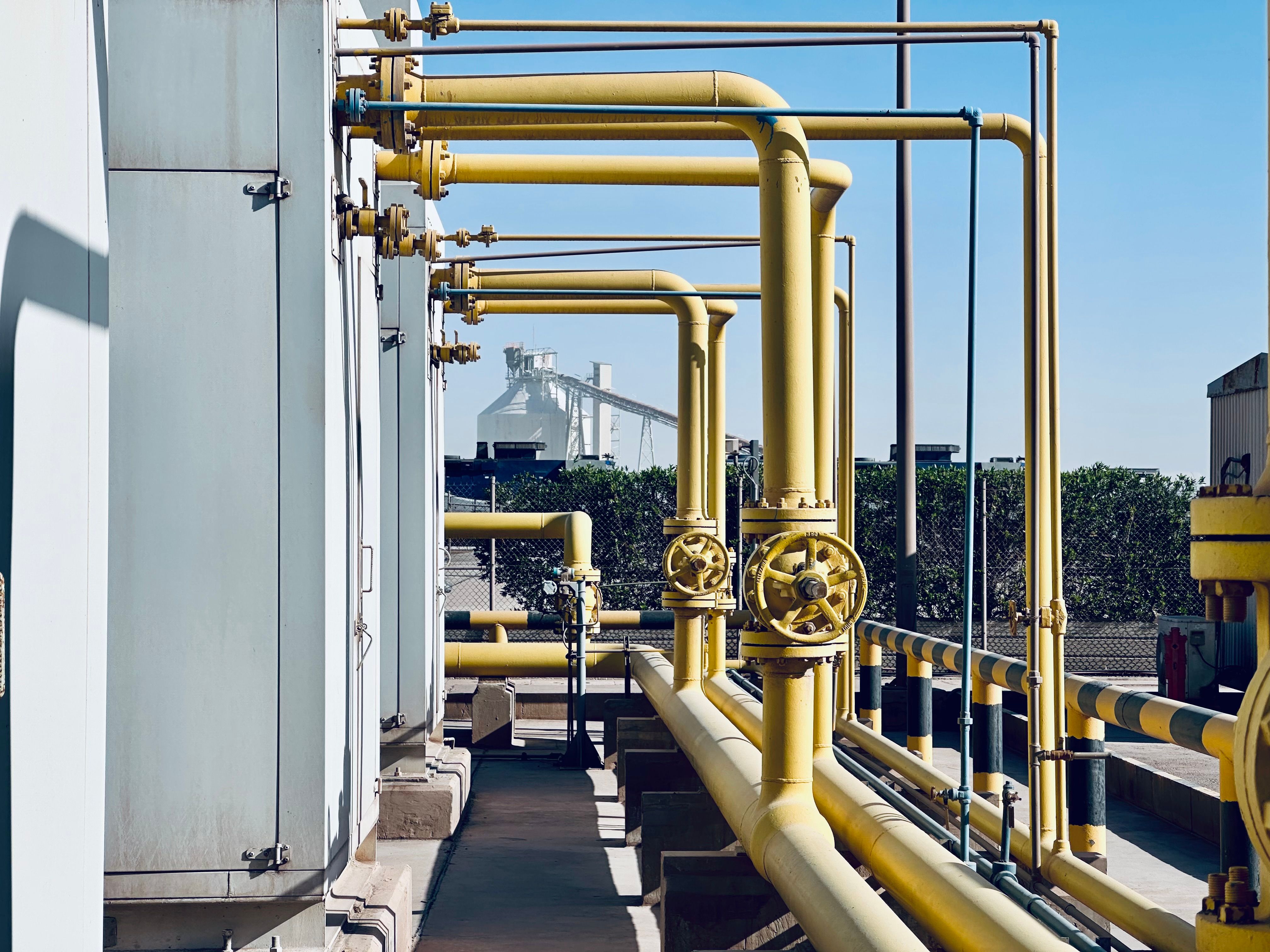
There is a number that has been quietly reshaping every market on earth this week: 5. That is how many million barrels of oil per day Saudi Arabia had been routing through its East-West pipeline - the 1,200-kilometer artery stretching from the Abqaiq oilfield in the east to the Red Sea port of Yanbu in the west. As of September 11, that pipeline is offline. Drone attacks launched from Iraq damaged pump stations along the route, forcing Saudi Aramco to shut it down as a precautionary measure. The kingdom has given no public timeline for restart. Satellite imagery released over the weekend showed at least one pump station charred and badly damaged.
The timing could not be worse. The East-West pipeline - known in the industry as Petroline - was not just a piece of infrastructure. It was the primary workaround Saudi Arabia had constructed to keep its oil exports flowing after Iran effectively shuttered the Strait of Hormuz following the outbreak of the US-Iran war in late February. Before the conflict, Brent crude traded near $72 a barrel. It hit $119 at the peak of early hostilities. It had settled into a range above $100 as the pipeline absorbed the rerouting burden. Now, with Petroline offline and the Strait of Hormuz still contested, Saudi Arabia faces a supply export crisis with no obvious bypass remaining.
The Last Buffer Is Gone
Saudi Aramco CEO Amin Nasser said last month that the East-West pipeline had done more to stabilize Saudi oil exports during the Iran war than the release of emergency crude reserves. That statement now reads as a warning in retrospect. Saudi oil buyers and traders told Reuters over the weekend that the kingdom will run out of export stocks within days if the pipeline cannot be restarted - a scenario that would remove up to 4 percent of global oil supply from the market. Brent crude surged above $108 a barrel on Monday, its highest level since the early weeks of the conflict.
The repair timeline is deeply uncertain. Sources speaking to the Associated Press said the pipeline would be mostly out of service for weeks. One source told Reuters the damage could take up to six weeks to fix. Bloomberg noted that Saudi Aramco has a strong track record of rapid repairs - it restored output within a month after the 2019 Abqaiq attack - but the current damage appears more distributed, with multiple pump stations hit across the Riyadh and Medina regions. Partial resumption while repairs are ongoing is possible, but the full capacity that markets had been relying on is not coming back quickly.
The Compounding Pressure on Markets
What makes this moment structurally different from prior oil shocks is the absence of any remaining buffer. The US Strategic Petroleum Reserve fell to 285 million barrels last week - its lowest level since November 1982 - after months of releases aimed at capping prices. OPEC spare capacity has been largely deployed. And the Houthi forces in Yemen, backed by Iran, have been advancing along the Red Sea coast near the Bab al-Mandeb Strait, raising the prospect that Saudi Arabia's Red Sea export route could face additional pressure even after Petroline is repaired.
The market implications extend well beyond the energy sector. Oil above $108 a barrel feeds directly into the inflation data that the Federal Reserve is watching as it decides how aggressively to tighten monetary policy. The August CPI report, released last week, came in at 3.4 percent year-over-year - already 70 percent above the Fed's 2 percent target. Energy prices were a primary driver, with gasoline up roughly 32 percent from a year ago. A sustained move higher in crude from here would make the Fed's job materially harder, potentially forcing additional rate hikes into an economy where consumer spending is already showing signs of fatigue.
What Investors Should Watch
For equity markets, the calculus is asymmetric. Energy stocks have been the best-performing sector in 2026, up 43 percent year-to-date through August. A prolonged pipeline outage would extend that trade. But the broader market faces a more complicated picture: higher oil prices mean higher inflation, which means a more aggressive Fed, which means higher borrowing costs for every rate-sensitive sector from real estate to consumer discretionary to leveraged buyouts.
The geopolitical dimension is equally important. President Trump told reporters in Dublin that Iran was "probably" behind the attack on the pipeline, while also suggesting that Iran wanted to reach a deal to end the war. That diplomatic ambiguity - simultaneous escalation and negotiation - is the defining feature of this conflict, and it makes the oil price trajectory genuinely unpredictable. A ceasefire or diplomatic breakthrough could send crude sharply lower. A further escalation - particularly any threat to the Red Sea shipping lanes - could push it toward $120 or beyond.
The East-West pipeline was Saudi Arabia's last reliable bypass option. With it offline, the kingdom's ability to sustain export volumes depends on a combination of stored inventory, partial pipeline operations, and the diplomatic temperature in a war that shows no clear signs of resolution. For markets navigating a Fed rate decision, a consumer spending slowdown, and a 10-year Treasury yield near 5 percent, the loss of that buffer is one more variable that was not in the model. The next few weeks will determine whether this is a contained disruption or the beginning of a more serious supply crisis.