The Ternus Era Begins: What Apple's New CEO Means for Investors


There is a number that Wall Street has been watching closely this week: 15. That is how many years Tim Cook served as Apple's chief executive officer before handing the keys to John Ternus on September 1, 2026 - a transition that marks the most consequential leadership change at the world's most valuable technology company in a generation. For investors, the question is not whether the handoff was well-managed. It clearly was. The question is what the Ternus era actually means for a company trading near $4 trillion in market capitalization, facing its most serious competitive test in artificial intelligence, and preparing to unveil its first foldable iPhone in just eight days.
The Magnitude of What Cook Built
To understand what Ternus inherits, it helps to understand the scale of what Cook leaves behind. When Cook took over from Steve Jobs in August 2011, Apple's market capitalization stood near $350 billion. By the time he stepped into the executive chairman role on September 1, 2026, that figure had grown to roughly $4 trillion - a more than 1,000 percent increase. Annual revenue grew from $108 billion in fiscal 2011 to more than $416 billion in fiscal 2025. The company's active installed base now exceeds 2.5 billion devices. Apple Services, which barely existed as a standalone category when Cook took over, has grown into a business generating more than $100 billion annually - the equivalent of a Fortune 40 company on its own.
Cook did not invent the iPhone. But he built the supply chain, the retail footprint, the services layer, and the institutional discipline that turned it into the most reliably profitable consumer product in corporate history. That is the foundation Ternus now stands on. It is an extraordinary inheritance, and it comes with extraordinary expectations attached.
Who Ternus Is - and What He Is Not
Ternus joined Apple's product design team in 2001 after earning a mechanical engineering degree from the University of Pennsylvania. His first project was the Cinema Display. His most recent, before becoming CEO, was overseeing the iPhone 17 lineup, the MacBook Neo, and the Apple Watch Ultra 3. He became senior vice president of Hardware Engineering in 2021, taking responsibility for iPhone, iPad, Mac, and AirPods simultaneously - a breadth of hardware oversight that is unusual even by Apple's standards.
That resume is both his greatest strength and his most scrutinized vulnerability. Ternus is, by every account, an engineer's engineer - someone who understands the physical and silicon architecture of Apple's products at a level few executives anywhere can match. But the three areas where Apple has faced the sharpest external criticism over the past two years are services, software, and artificial intelligence. None of those are areas where Ternus built his career. He arrives as CEO with a mandate to fix Apple's AI strategy while running a company whose competitive identity has always been rooted in hardware excellence.
The AI Problem He Inherits
The most consequential challenge Ternus faces is one he did not create but must now solve. Apple has been rebuilding Siri on a foundation licensed from Google's Gemini models rather than relying solely on in-house large language models. Early internal reviews of that rebuilt Siri have reportedly been positive. The public debut is expected at Apple's September 9 hardware event - Ternus's first as chief executive, arriving just eight days into his tenure.
The strategic tension here is real and worth sitting with. Apple's competitive edge for two decades has come from owning the full stack - chips, operating system, and services - so that no single layer depends on a rival. Leaning on Google for the intelligence layer behind Siri breaks that pattern in a way Apple has mostly avoided since Cook pulled Google Maps off the iPhone home screen in 2012. Analysts covering the transition have described Ternus as a hardware specialist now facing the job of scaling an AI strategy he did not design. Whether that arrangement is a bridge to a fully proprietary AI capability or a long-term structural dependency is the question investors will press him on repeatedly in his first year.
The September 9 Test
Apple's next hardware event is scheduled for September 9 at its Cupertino campus. Expected announcements include the company's first foldable iPhone, new Apple Watch models, and the public debut of the Gemini-powered Siri rebuild. For a CEO whose entire career has been spent inside hardware engineering, the foldable iPhone is the kind of product he was born to defend. Samsung and other Android manufacturers have shipped foldable phones for several product generations already, meaning Apple arrives as a fast-follower rather than a category creator - a role reversal from the original iPhone launch in 2007. How Ternus frames that positioning, and whether the product itself justifies the premium Apple will almost certainly charge, will set the tone for how the market reads his leadership style.
What Investors Should Watch
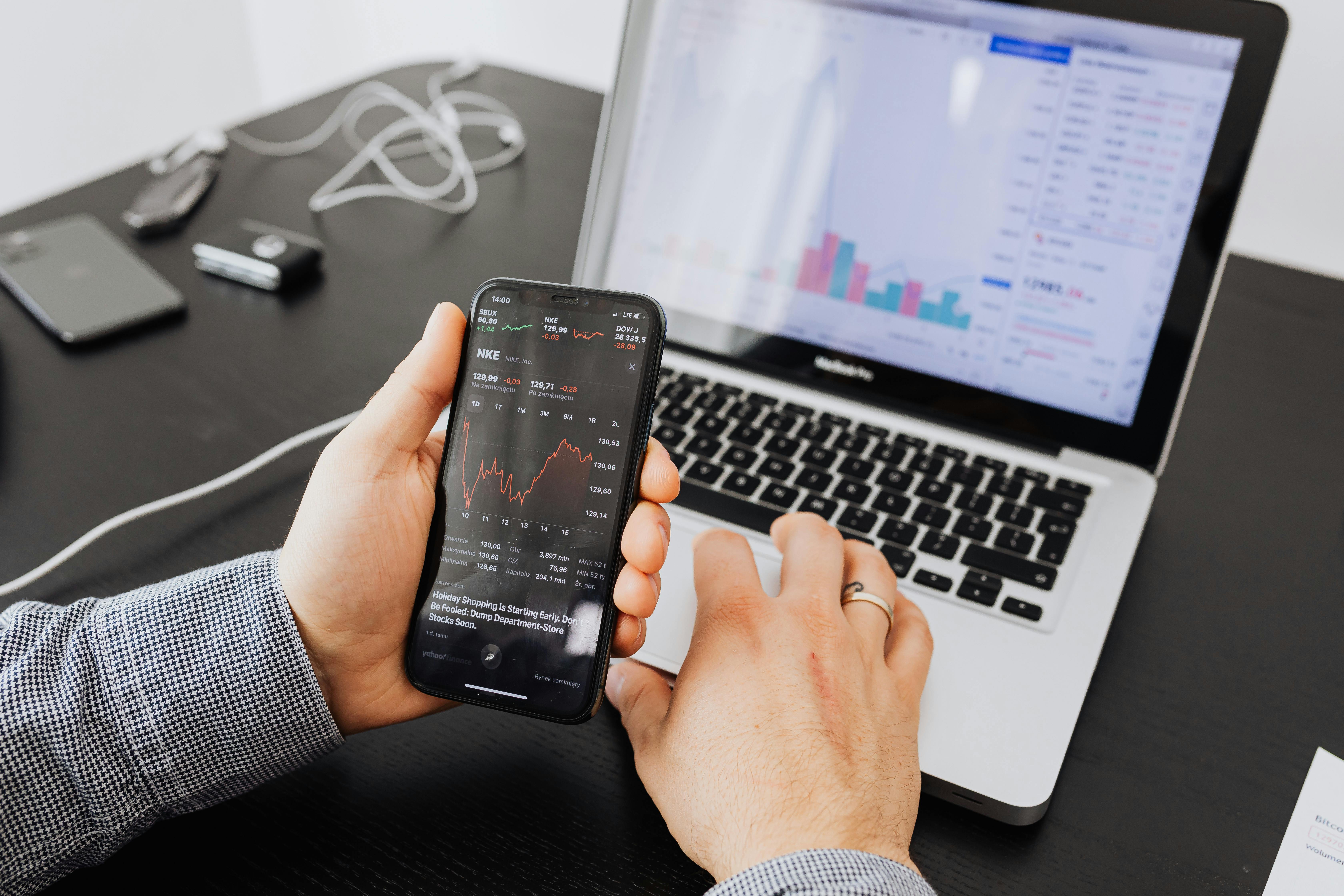
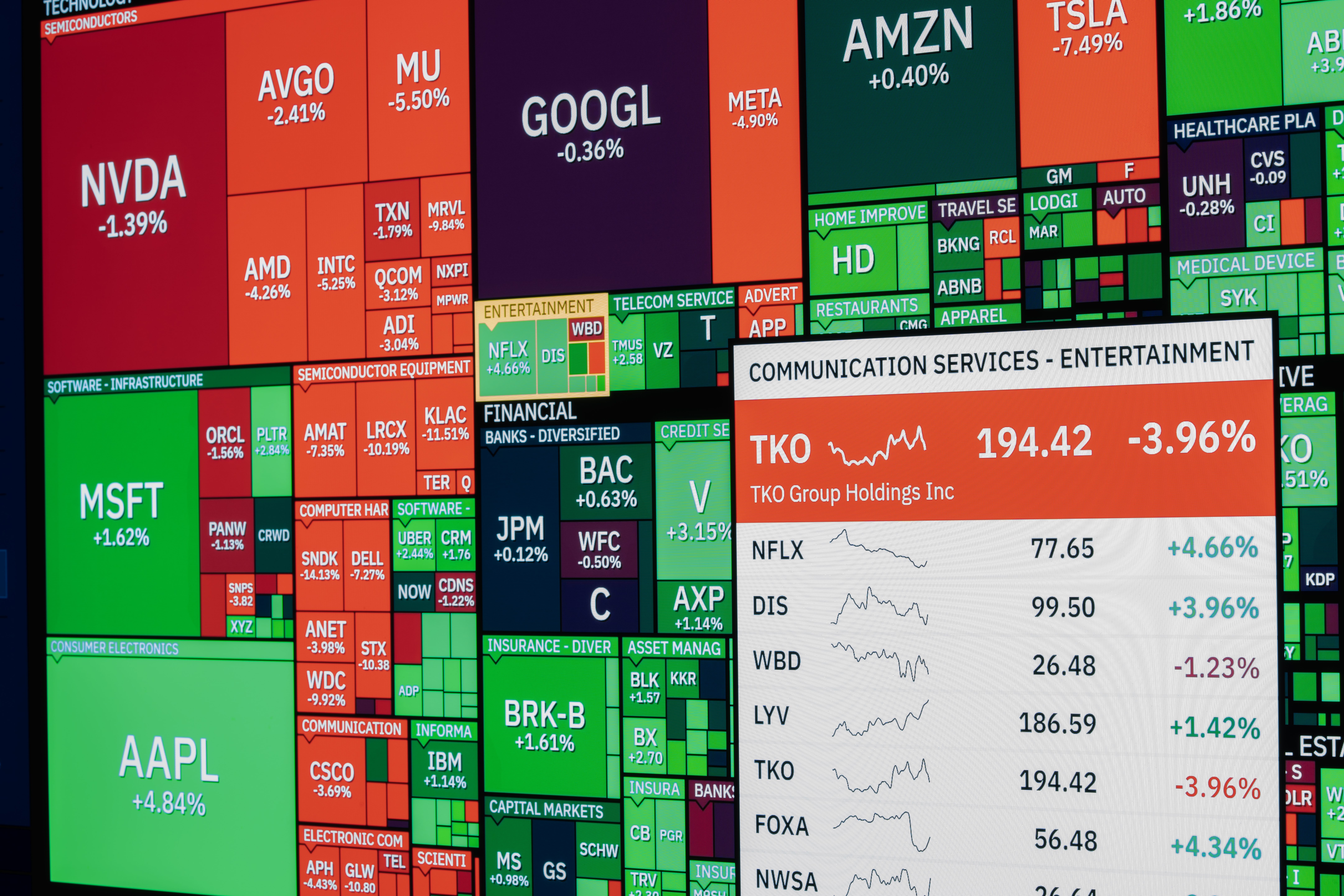
Apple stock was trading near $311 heading into the transition, down roughly 10 percent from a July peak of $339.79. The pullback appears tied more to post-earnings trading than to the leadership change itself - a muted reaction consistent with how markets handled Amazon's Bezos-to-Jassy handoff in 2021 and Microsoft's Ballmer-to-Nadella move in 2014. Both were well-telegraphed and produced limited single-day stock moves. The bigger swing factor for Apple shares in the weeks ahead is the September 9 event and whatever Ternus signals about AI strategy, not the org-chart change itself.
The longer-term question is whether a hardware-first CEO can credibly lead a company whose next decade of growth depends on software intelligence, services expansion, and AI differentiation. Cook proved that an operations executive could become a visionary CEO. Ternus now has to prove that an engineering executive can do the same. The market has given him the benefit of the doubt so far. September 9 is where the real test begins.