The Jobs Report That Flipped the Fed Script: What 172,000 Means for Markets
A 172,000 jobs report in May 2026 shocked markets and reversed expectations for Federal Reserve rate cuts. Here's what the data means for investors.


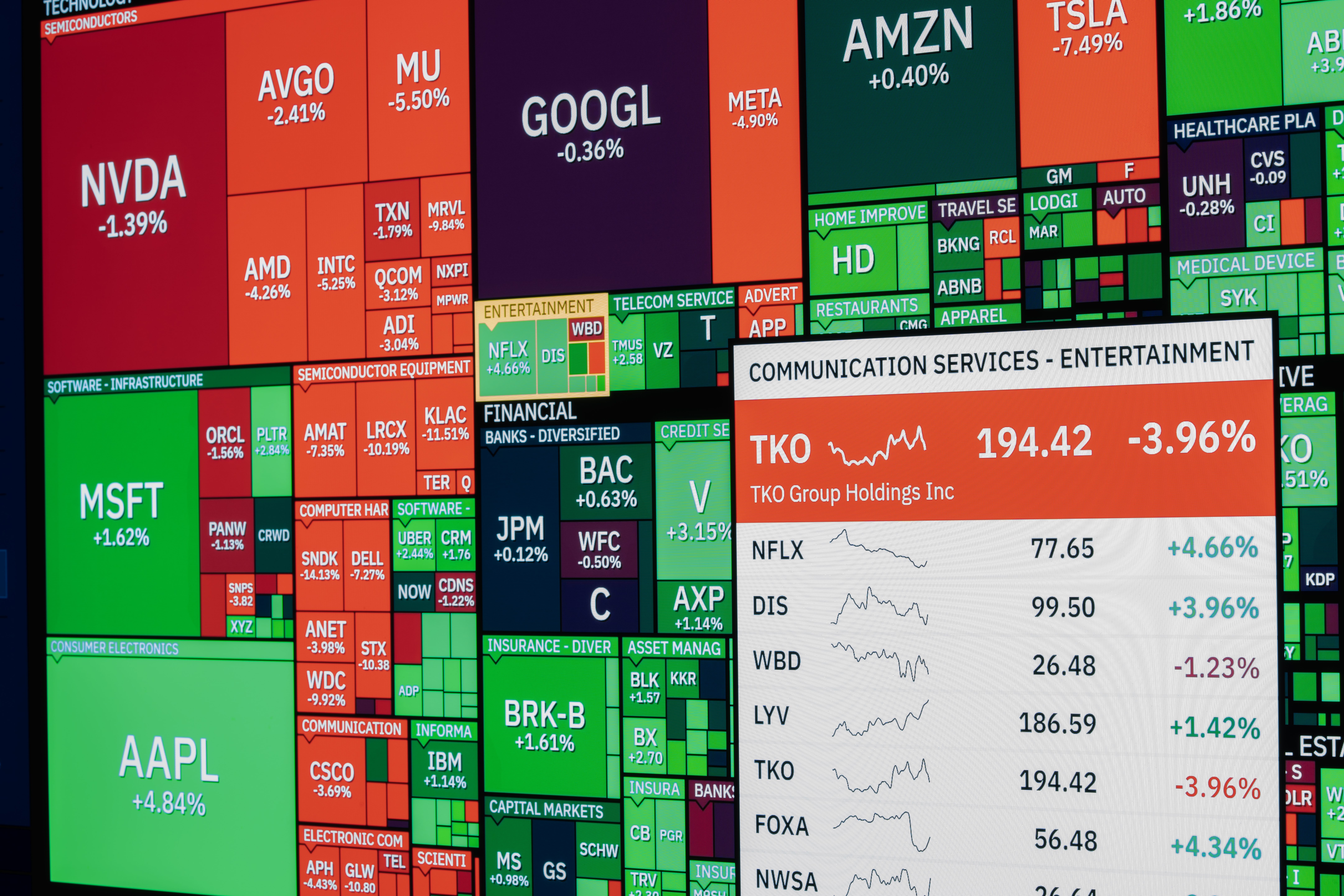
There is a number that Wall Street had quietly hoped would not arrive: 172,000. That is how many jobs the U.S. economy added in May 2026, according to the Bureau of Labor Statistics report released Friday morning. The consensus estimate was roughly 85,000 to 89,000. Goldman Sachs had forecast closer to 60,000. The actual print was nearly triple that. By 9:00 a.m. ET, the S&P 500 had shed more than 200 points, the Nasdaq Composite had fallen more than 4%, and the 10-year Treasury yield had jumped nearly 7 basis points to approximately 4.547%. The jobs market, it turns out, did not get the memo about slowing down.
The Numbers Behind the Shock
The headline figure was striking enough on its own. But the details inside the Bureau of Labor Statistics report made the picture even more complicated for investors hoping the Federal Reserve would stay on the sidelines. Leisure and hospitality led all sectors with 70,000 new jobs, well above the prior 12-month average of 14,000 per month, driven by restaurants and bars adding 48,000 positions in anticipation of summer demand. Local government added 55,000 jobs. Healthcare contributed another 35,000, roughly in line with its recent trend. Construction added 17,000.
The one notable weak spot was financial activities, which shed 22,000 jobs in May and is now down 107,000 from its peak in May 2025. Insurance carriers and commercial banking both cut headcount. That detail is worth noting: the sector most directly exposed to interest rate risk is already contracting, even as the broader labor market accelerates.
Average hourly earnings rose 0.3% in May to $37.53, bringing the year-over-year gain to 3.4%. That sounds solid until you compare it to the April PCE inflation reading of 3.8% year-over-year. Workers are getting raises. They are not keeping pace with prices. That gap - between nominal wage growth and real purchasing power - is one of the more uncomfortable features of the current economic moment, and it complicates the White House victory lap considerably.
The Revision Story Nobody Is Talking About
The May headline was not the only number that moved markets. The BLS also revised March payrolls upward by 29,000 to 214,000, and April upward by 64,000 to 179,000. Combined, that is 93,000 more jobs than previously reported for those two months. The three-month average now stands at 188,000 per month - a pace that, in any other environment, would be described as robust. In this one, it is being described as a problem.
The revision pattern matters because it changes the narrative arc. For much of the spring, the labor market appeared to be cooling in an orderly way - the kind of gradual deceleration that would give the Federal Reserve cover to hold rates steady or eventually cut. Those revisions erase that story. The labor market was not cooling. It was being undercounted. That distinction has real consequences for how policymakers read the data and how markets price the path of rates.
What the Fed Does Next
The Federal Reserve, now under the leadership of Chair Kevin Warsh, meets June 16-17. Before Friday's report, the probability of any rate change at that meeting was near zero. The CME FedWatch tool, as of Friday morning, showed a 43% probability that rates will be higher by year-end - a dramatic shift from the rate-cut expectations that dominated market pricing just weeks ago. KPMG senior economist Ken Kim had already forecast two rate hikes in the back half of 2026. Friday's data gave that view considerably more credibility.
The White House read the report differently. National Economic Council Director Kevin Hassett called it about the strongest market of his lifetime and argued that because the job gains are supply-side driven, the Fed can afford to wait before acting. That framing - strong jobs as a sign of supply-side health rather than demand-side overheating - is politically convenient but analytically contested. When inflation is running above 3.5% and wage growth is not keeping pace, the distinction between supply-side and demand-side job creation matters less to the Fed than the aggregate price level.
Liz Ann Sonders, chief investment strategist at the Schwab Center for Financial Research, offered a more measured read: a day like Friday shows that any individual number can move those expectations. That is a careful way of saying the Fed's path is now genuinely uncertain in a way it was not 24 hours ago.
The Paradox of Good News
Friday's market reaction captures something important about where the economy stands in mid-2026. A jobs report that would have been celebrated in almost any prior cycle - strong hiring, stable unemployment, broad-based gains - sent stocks sharply lower and bond yields sharply higher. The reason is not that investors want a weak economy. It is that a strong economy, in the current context, means the Federal Reserve has less reason to cut rates and more reason to raise them. And higher rates, in a market that has been pricing in eventual easing, are a direct headwind to equity valuations.
The long-term unemployed - those jobless for 27 weeks or more - now number 2.0 million, up 524,000 over the year. Labor force participation held at 61.8%, still below pre-pandemic levels. Consumer delinquencies are ticking up. The savings rate is dwindling. These are the fault lines beneath an otherwise solid surface, and they are the reason that even a blockbuster jobs number does not resolve the underlying tension in the economy. The labor market is strong. Inflation is sticky. The Fed is watching. And markets, for the first time in months, are pricing in the possibility that the next move in rates is up, not down.
For investors, the message from Friday is not that the economy is in trouble. It is that the economy is strong enough to keep the Federal Reserve uncomfortable - and that in 2026, that is a more complicated thing to be than it sounds.