The Tariff Wall Is Being Rebuilt on Ground the Supreme Court Left Standing
USTR's Section 301 determinations against 14 economies, including treaty allies, price industrial policy itself. The proposed duties would land in 2027 at the earliest, just as the refunds that flattered 2026 margins stop arriving.
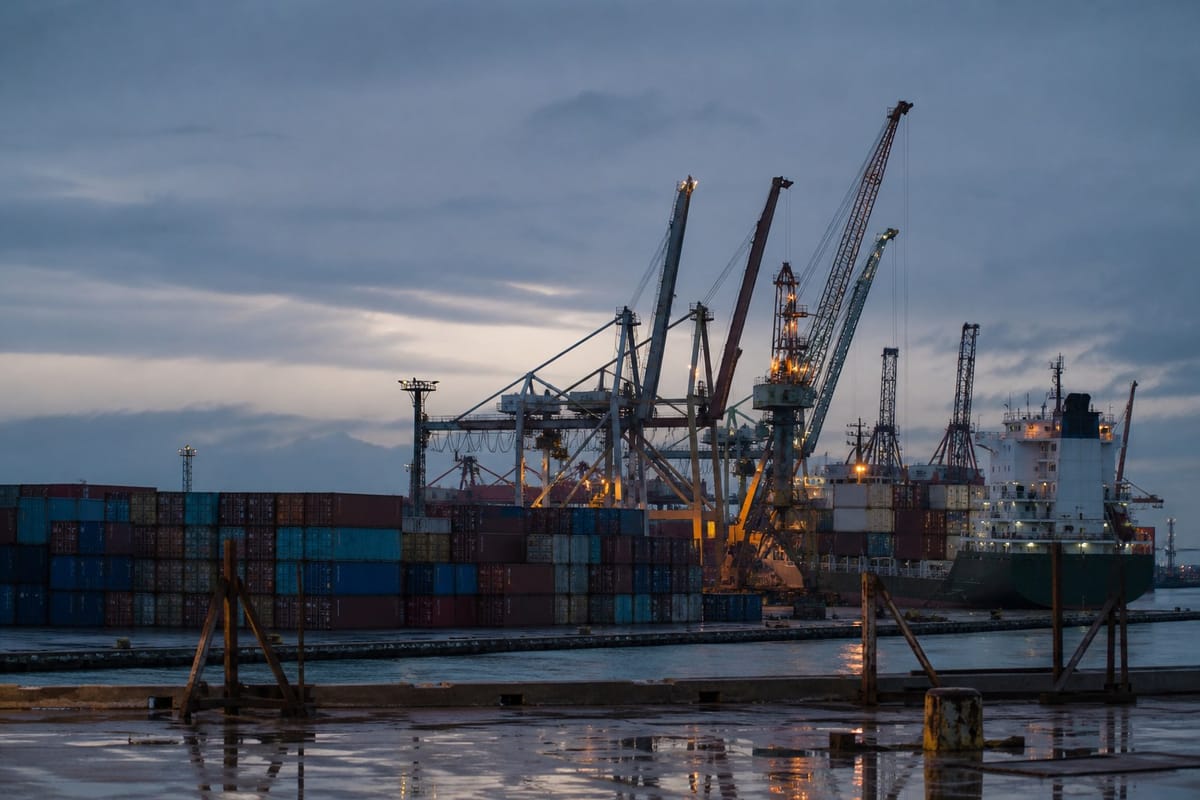
The tariff architecture that took the biggest shock of the year is already being rebuilt. On November 25, U.S. Trade Representative Jamieson Greer made determinations under Section 301 of the Trade Act of 1974 that the industrial policies of 14 economies are unreasonable and burden U.S. commerce, and proposed new tariffs on all of them. The list reaches treaty allies and partners that Washington has spent years courting: the European Union, Japan, Korea, Switzerland, Taiwan, Singapore. Vietnam faces the steepest proposed ceiling, up to 35 percent, though that drops to 20 percent under a reciprocal trade agreement.
The legal ground under the new action is different from the ground that collapsed. In February, the Supreme Court ruled in Learning Resources, Inc. v. Trump that IEEPA does not authorize the president to impose tariffs, and Customs and Border Protection has since been refunding the duties it had collected. The rebuilt wall stands on Section 301, a statute the ruling did not touch. The theory of harm has changed shape with it. This case prices other countries' industrial policy itself, rather than a trade deficit or a negotiating deadline. Greer's statement cites manufacturing targeting, wage and labor suppression, financial support, and non-market economy inputs that tilt the trade balance while eroding America's manufacturing base. Diplomatic statements at the G7, G20 and WTO, in his words, "have not resulted in change."
How the numbers are built
The proposal carries its own discount structure, which tells you what USTR expects to happen next. The new duties are calculated net of existing Section 301 tariffs and account for existing Section 232 duties and reciprocal trade agreement commitments. Vietnam gets a 15-point reduction for signing an agreement; India's 25 percent ceiling falls to 17 percent with one; Singapore's 20 percent falls to 10 percent; China is capped at 20 percent net of the rate from the July forced-labor action, with 10 percent on Annex A goods and exemptions for Annex B. Bangladesh, Cambodia, Indonesia, Malaysia and Thailand top out at 18 percent, while the EU, Japan, Korea, Switzerland and Taiwan are capped at 15 percent. The structure is a standing offer: the ceiling is the price of refusing the deal.
Nothing is collected yet. Requests to appear and written comments are due January 5, 2027, and hearings begin January 25, 2027. That timing matters for anyone mapping costs onto this year's holidays. The duties are proposals with a comment period, not levies, so they land in 2027 at the earliest.
The 2026 flattery that rolls off
This year's retail margins carried a tailwind that next year's will not. Per a sworn declaration filed with the Court of International Trade, CBP had accepted about $138.3 billion in potential and certified refunds for processing as of November 5, 2026, and certified about $128.4 billion in refunds, duties plus interest, for payment by Treasury. Dollar Tree shows what that looks like at the company level. Its third-quarter operating income fell 10.1 percent to $309 million even as revenue rose 6.9 percent to $5.1 billion, with operating margin contracting 110 basis points including a 195 basis point cost tied to net tariff reinvestments of $103 million. The same release raised fiscal 2026 adjusted EPS guidance to $8.05 to $8.25, including roughly $0.65 of benefit from tariff refunds. Strip the refund line out and the cost line stands alone.
The macro backdrop it lands on
The macro picture is unusually tight for a fresh cost shock. The BEA release put October PCE inflation at 3.8 percent year over year, 3.3 percent excluding food and energy, with real consumer spending slipping slightly. Growth is running hot: BEA's second estimate revised third-quarter real GDP growth up to 4.3 percent annualized from an advance estimate of 3.4 percent, after 2.2 percent in the second quarter. Inflation well above the Fed's 2 percent target, an economy expanding at that pace, and a policy committee that meets December 8-9 leave little room to absorb another cost layer quietly.
The through-line is durability. A tariff regime built on Section 301 determinations, netted against existing duties and discounted for agreements, has no single court decision that can unwind it the way IEEPA fell, and no expiry date the way a negotiating deadline has. It arrives in 2027, just as the refunds that flattered this year's margins stop arriving. Companies that booked 2026 results partly on refunds will be repricing 2027 against duties that, by then, may actually be there.