Apple's "Hundred-Year Flood": How the AI Memory Crisis Is Forcing the World's Most Valuable Company to Break Its Pricing Rules

There is a phrase that captures the scale of what Apple disclosed on Thursday: "hundred-year flood." That is how Tim Cook, Apple's outgoing chief executive, described the global memory chip shortage to The Wall Street Journal - a crisis so severe, so fast-moving, and so structurally unprecedented that the company which almost never raises prices on its hardware just did exactly that, across nearly its entire Mac and iPad lineup, in a single announcement.
The price increases, effective June 25, 2026, are not modest. The entry-level MacBook Neo now costs $699, up from $599. The MacBook Air with 512 gigabytes of storage jumped from $1,099 to $1,299. The MacBook Pro with one terabyte of storage is now $1,999, up from $1,699. The iPad Air with 128 gigabytes climbed from $599 to $749. The iPad Pro with 256 gigabytes of WiFi storage rose from $999 to $1,199. The Mac Studio powered by the M3 Ultra chip saw a $1,300 price increase. Apple shares fell roughly 4.5 to 6 percent on the news - the stock's worst single-day drop in more than a year.
The Memory Market Has Never Looked Like This
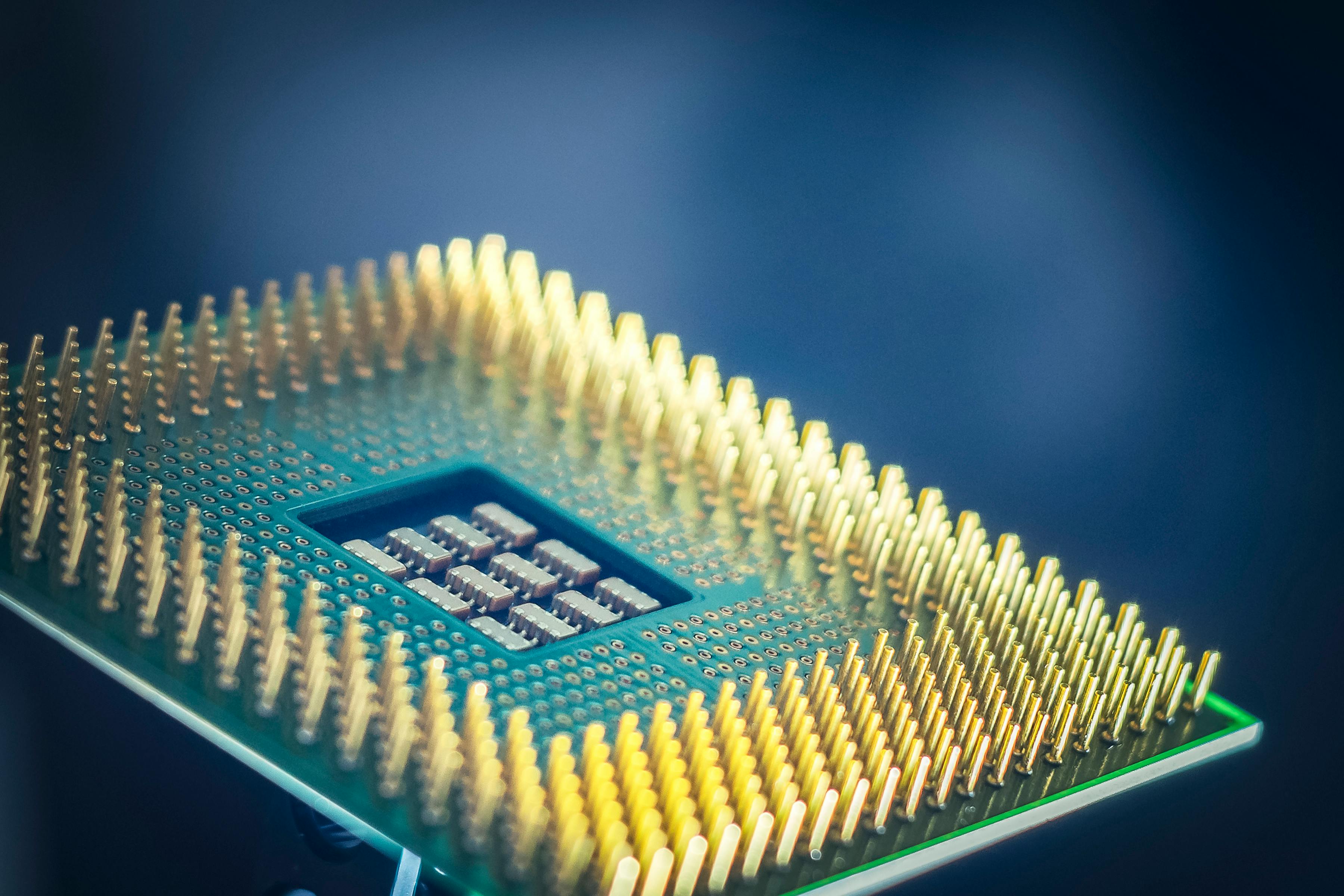
To understand why Apple broke with decades of pricing discipline, you have to understand what has happened to the memory market in 2026. Contract prices for conventional DRAM - the working memory inside every computer and smartphone - jumped approximately 90 percent in the first quarter of 2026 alone, according to research firm TrendForce, then rose another 60 percent in the second quarter. NAND flash storage prices have surged at a similar pace. All told, memory and storage costs have climbed to roughly four times what they were just three quarters ago.
The driver is not a supply disruption in the traditional sense. It is demand - specifically, the insatiable appetite of AI data centers for memory and storage. Cloud computing providers racing to build out AI infrastructure have been buying up memory at a pace that has left far less supply for consumer electronics manufacturers. Apple, which embeds memory and storage into every product it sells, has been absorbing those cost increases quietly for months. On Thursday, it said it could no longer do so.
"The rapid expansion of AI data centers has created an extraordinary surge in demand for memory and storage," Apple said in a written statement. "We have never seen a component price increase this much, this quickly." Cook was more direct in his Wall Street Journal interview: "We're doing our best to mitigate the huge increases that are being passed to us, and we've been trying to shield our customers from the increases, but the situation has become unsustainable."
The iPhone Question That Defines the Next Chapter
The price increases announced Thursday deliberately excluded the iPhone, the Apple Watch, and AirPods. That restraint is almost certainly temporary. New iPhone models are expected this fall, and research firm Counterpoint estimates the memory crunch could add approximately $200 in component costs per device, with price increases hitting higher-storage configurations hardest. IDC analyst Nabila Popal was blunt: "I think the days of $50 price increases are over."
The iPhone generates roughly half of Apple's total revenue. A $200 price increase on the Pro and Pro Max models would be the most consequential consumer pricing decision the company has made in years - and it would arrive at a moment of significant leadership transition. Cook, who has led Apple for 15 years, is scheduled to hand the CEO role to John Ternus in September. Ternus will inherit a company that is financially strong - Apple reported $111.2 billion in revenue in its fiscal second quarter of 2026, up 17 percent year over year, with gross margins of 49.3 percent - but one that is now navigating a cost environment unlike anything in its modern history.
The Broader Inflation Signal That Markets Are Missing
Apple's announcement is not just a story about one company's pricing strategy. It is a signal about where AI-driven inflation is flowing next. The AI infrastructure buildout has already pushed memory prices to levels that are reshaping the economics of consumer electronics across the industry. Sony raised the price of its PlayStation 5 by $100 in the US earlier this year. Nintendo announced it would increase Switch 2 prices from September. Research firm Omdia estimates the average selling price of smartphones globally will rise approximately 20 percent in 2026 to an all-time high.
There is also a secondary supply chain factor that has received less attention: the Iran conflict has disrupted the global supply of helium, a gas that is essential in semiconductor manufacturing. That disruption has added another layer of cost pressure on top of the demand-driven memory squeeze, compounding the challenge for every company that builds chips into its products.
The irony embedded in this moment is worth sitting with. The AI boom that has driven Micron's revenue up 346 percent year over year and made SK Hynix the subject of a $29 billion US listing is the same force that is now making MacBooks and iPads more expensive for ordinary consumers. The capital markets have celebrated the memory trade as one of the defining investment themes of 2026. The consumer market is now beginning to feel the cost of that celebration in the price tags on the products they buy.
What Investors Should Watch
For Apple investors, the key variable is demand elasticity. Apple's premium positioning has historically given it more pricing power than almost any consumer electronics company on earth. But the increases announced Thursday are not modest adjustments - they are 15 to 25 percent price hikes on products that were already expensive. The question is whether Apple's installed base and brand loyalty are strong enough to absorb increases of that magnitude without a meaningful demand response.
The gross margin picture is more complicated than it appears. Raising prices should, in theory, protect margins. But if the memory cost increases continue to accelerate - and there is no structural reason to believe they will reverse quickly while AI data center buildout remains at its current pace - Apple may find itself in a position where price increases lag cost increases, compressing margins even as sticker prices rise. The company's fiscal third quarter results, expected in late July, will be the first real data point on how consumers are responding.
Cook called it a hundred-year flood. The more precise framing may be that it is the first time the AI economy's infrastructure costs have flowed directly and visibly into the price of the devices that sit on consumers' desks and in their pockets. It will not be the last. The memory market does not reset overnight, and the AI buildout shows no signs of slowing. Apple's price increases are not the end of this story. They are the beginning of a new chapter in how the AI investment cycle reshapes the economics of everyday technology.