The Trillion-Dollar Standoff: Why Sam Altman Is Betting That Waiting Is Winning
Sam Altman has declared a $1 trillion valuation non-negotiable for OpenAI's IPO, leading the company to delay its public debut until 2027. Following SpaceX's post-IPO stock decline, the market's appetite for trillion-dollar AI valuations is being tested.

There is a number that has quietly become the most consequential figure in Silicon Valley this week: one trillion. That is the valuation Sam Altman has declared non-negotiable for OpenAI's public debut - a figure so large, so audacious, and so politically loaded that it is now the primary reason the most anticipated IPO of 2026 may not happen until 2027.
According to a report from The New York Times published on June 25, OpenAI is leaning toward delaying its initial public offering until next year. The company had previously filed confidential paperwork with the Securities and Exchange Commission and had been targeting a listing as early as September 2026. Bankers and lawyers were hired. The roadshow machinery was being assembled. Then SpaceX went public - and everything changed.
The SpaceX Warning Shot
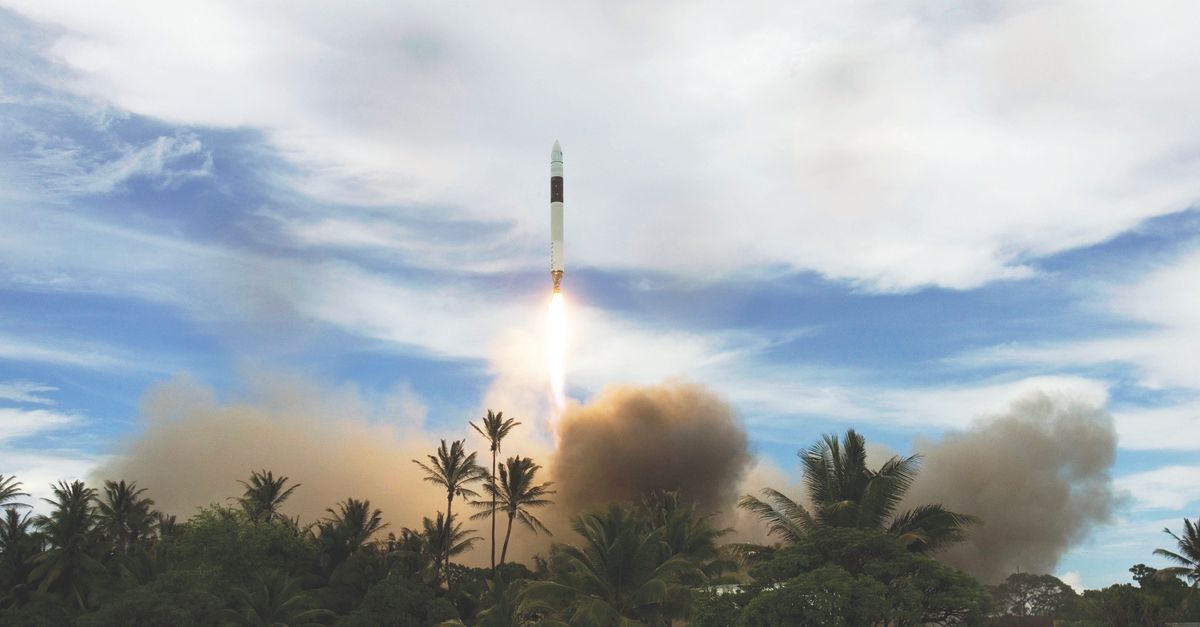
SpaceX's IPO on June 12 was, by any conventional measure, a triumph. The company raised more than $85 billion, the largest IPO in history, and briefly traded at a valuation of $2.77 trillion. But within days, the stock began to slide. From a peak above $225 per share, SpaceX closed at $153 by late June - a drop of more than 30 percent in under two weeks. Elon Musk, who had briefly reclaimed trillionaire status, lost it again almost as quickly as he had gained it.
For OpenAI's advisers, the SpaceX experience was not a cautionary tale about one company. It was a stress test of the entire market's appetite for trillion-dollar AI valuations. The verdict was uncomfortable: even the most hyped, most celebrated technology company of the decade could not sustain its opening-day price in a market rattled by rising memory costs, slowing AI spending growth, and a Nasdaq that has fallen four consecutive sessions heading into the final week of June.
The Altman Ultimatum
What makes the OpenAI delay particularly revealing is not the delay itself - it is the reason behind it. When advisers presented Altman with a choice between waiting until 2027 for a $1 trillion debut or accepting a lower valuation for a faster listing, Altman reportedly called any reduction to the trillion-dollar figure a nonstarter. That is a remarkable stance for a company currently valued at approximately $852 billion in private markets, reporting roughly $13 billion in annual revenue against a net loss of $21 billion last year.
The math is stark. OpenAI is asking public market investors to pay a premium of roughly 77 times trailing revenue for a company that is burning cash at a rate that would make most CFOs blanch. The company has projected $600 billion in compute and hardware spending through 2030. To bridge the gap between its current losses and its trillion-dollar ambition, OpenAI has begun experimenting with advertising inside ChatGPT and pursuing e-commerce partnerships with Shopify and Stripe - moves that signal a pivot from pure AI research toward the kind of monetization that public market investors actually understand.
What This Means for the Broader AI IPO Pipeline
The OpenAI delay does not exist in isolation. Anthropic, OpenAI's chief rival, filed confidentially for its own IPO on June 1 - a week before OpenAI did the same - and raised its most recent funding round at a valuation of $965 billion, briefly overtaking OpenAI in private market terms. Both companies are now watching the same market signals, and both face the same fundamental question: can public investors absorb trillion-dollar AI valuations when the underlying economics remain deeply uncertain?
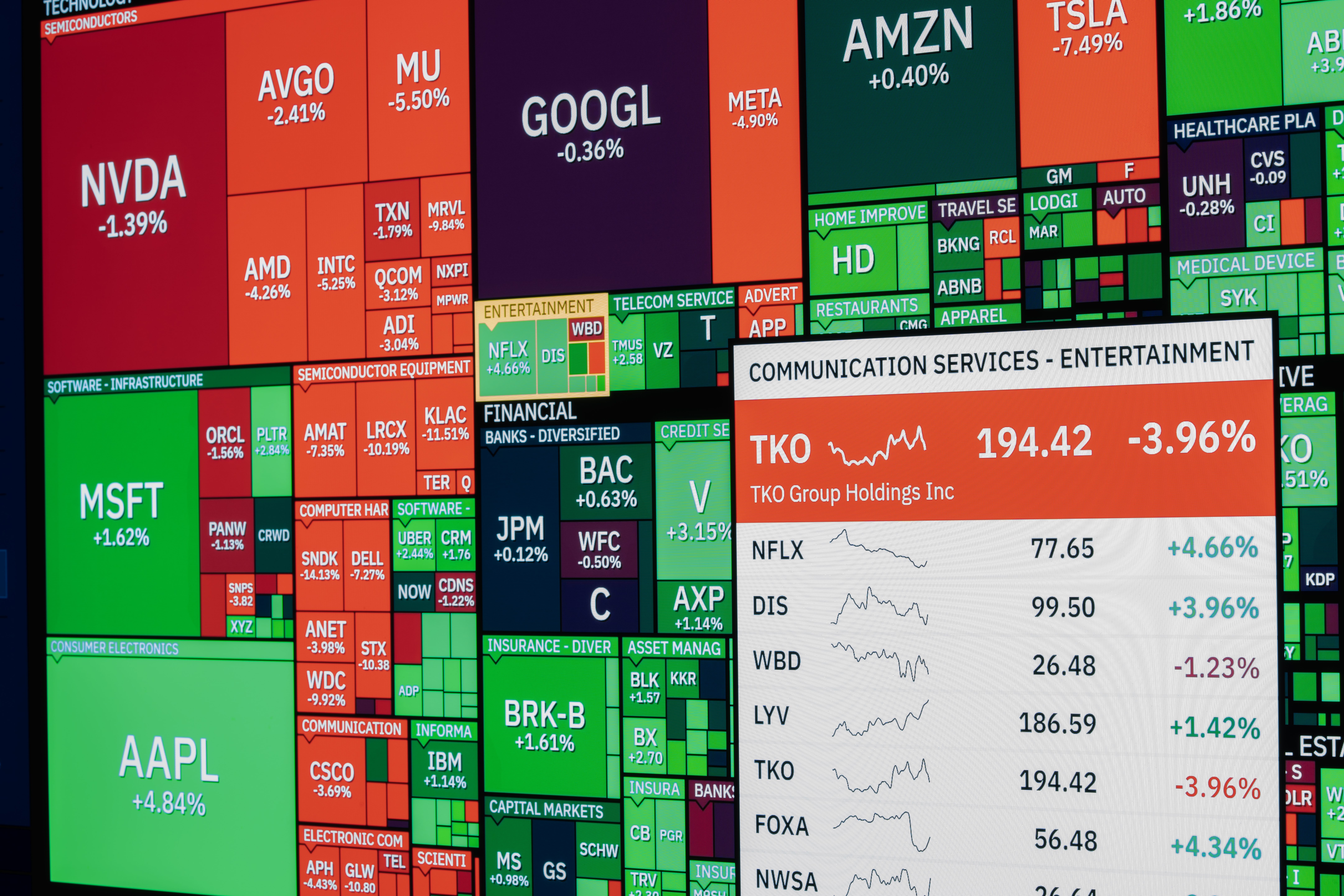
The answer, at least for now, appears to be: not comfortably. The broader tech market has been in retreat, with the Nasdaq down four consecutive sessions and the PHLX Semiconductor Index approaching correction territory. Investors are rotating out of mega-cap technology and into industrials, energy, and equal-weight strategies - a pattern that historically signals skepticism about growth-at-any-price narratives.
The Deeper Question
There is a version of this story in which Altman is simply being disciplined - protecting OpenAI's valuation by refusing to list into a weak market, waiting for conditions to improve, and ultimately delivering a cleaner debut in 2027. That is the charitable interpretation, and it may well be correct.
But there is another version in which the delay reveals something more uncomfortable: that the gap between AI's private market valuations and what public investors are actually willing to pay is wider than anyone in Silicon Valley wants to admit. OpenAI's own CFO, Sarah Friar, has reportedly expressed internal concerns about the company's finances. The company missed key revenue and user targets in the months leading up to its confidential filing. And the market that was supposed to welcome it with open arms is instead asking hard questions about profitability, capital intensity, and the timeline to sustainable returns.
Sam Altman is betting that waiting is winning. He may be right. But the longer OpenAI waits, the more the market will demand answers to questions that a trillion-dollar valuation was supposed to make irrelevant.