The Fed's Most Consequential Week: What the July 28-29 FOMC Meeting Means for Markets

There is a number that defines what Wall Street is walking into this week: 38. That is the percentage chance, according to LSEG data as of Friday, that the Federal Reserve will raise interest rates at its July 28-29 meeting - a figure that would have seemed implausible six months ago, when markets were pricing in multiple rate cuts for 2026. The fact that a hike is now a live possibility, rather than a theoretical one, tells you almost everything you need to know about how dramatically the macro environment has shifted.
The Federal Open Market Committee convenes Tuesday and Wednesday in what is shaping up to be the most consequential Fed meeting in years. Not because a rate hike is the most likely outcome - all 104 economists surveyed by Reuters in a July 17-21 poll expect the Fed to hold rates steady at 3.50%-3.75% - but because the signals that emerge from the policy statement and Chair Kevin Warsh's press conference will determine the trajectory of markets for the rest of 2026.
The Inflation Problem That Will Not Go Away
The backdrop is uncomfortable. The Fed's preferred inflation gauge, the Personal Consumption Expenditures index, rose 4.1% year-over-year in May - the highest reading in three years, and more than double the Fed's 2% target. Core PCE, which strips out volatile food and energy prices, climbed to 3.4%, also a three-year high. The Consumer Price Index for June came in at 3.5% annually, a modest improvement from May's 4.2% surge, but still running at nearly twice the Fed's target. Inflation has now been above 2% for more than five consecutive years.
The June CPI improvement was largely driven by a temporary easing in energy prices following a brief ceasefire in the US-Iran conflict. That relief has since evaporated. Brent crude hit $100 a barrel on Thursday as Middle East tensions re-escalated, and the 10-year Treasury yield topped 4.7% - its highest level since early 2025. The same oil shock that briefly cooled inflation in June is now threatening to reignite it in July and August. The Fed is being asked to make a long-term policy decision in the middle of a short-term data whipsaw.
A Committee Divided
What makes this meeting genuinely unusual is the degree of internal disagreement at the Fed. At the June meeting, nine FOMC members penciled in at least one rate hike for 2026, while eight favored holding rates steady. Six members see at least two hikes. That 9-to-8 split is not a rounding error - it is a committee that is genuinely uncertain about the right path forward, and that uncertainty is being transmitted directly into market pricing.
Fed funds futures are now factoring in two quarter-point rate hikes by the January 2027 meeting. A 66% majority of economists in the Reuters poll - 44 of 67 who answered a separate question - described the chance of a rate hike this year as "high." That is a dramatic reversal from last month, when 47 of 86 respondents described the likelihood as "low." The shift in economist sentiment over a single month reflects how quickly the macro picture has deteriorated since the ceasefire dividend faded.
The Warsh Wildcard
Layered on top of the data uncertainty is a communications uncertainty that is entirely new. Kevin Warsh, who took the helm of the Federal Reserve earlier this year, has deliberately abandoned the forward guidance framework that his predecessor Jerome Powell used to manage market expectations. Where Powell telegraphed moves weeks in advance, Warsh has offered almost nothing. "He's really not showing the Fed's cards," said Paul Nolte, senior wealth advisor at Murphy and Sylvest Wealth Management.
That opacity has created a vacuum. BNP Paribas economists noted this week that "the possibility of a shock rate hike cannot be ruled out entirely" - a statement that would have been unthinkable under the Powell regime. Warsh has said publicly that inflation is "too high" and that the Fed's goal is to return to 2%, but he has declined to specify how or when. His press conference on Wednesday will be parsed with unusual intensity for any signal about the September meeting, where markets currently price a higher probability of action.
The Earnings Collision
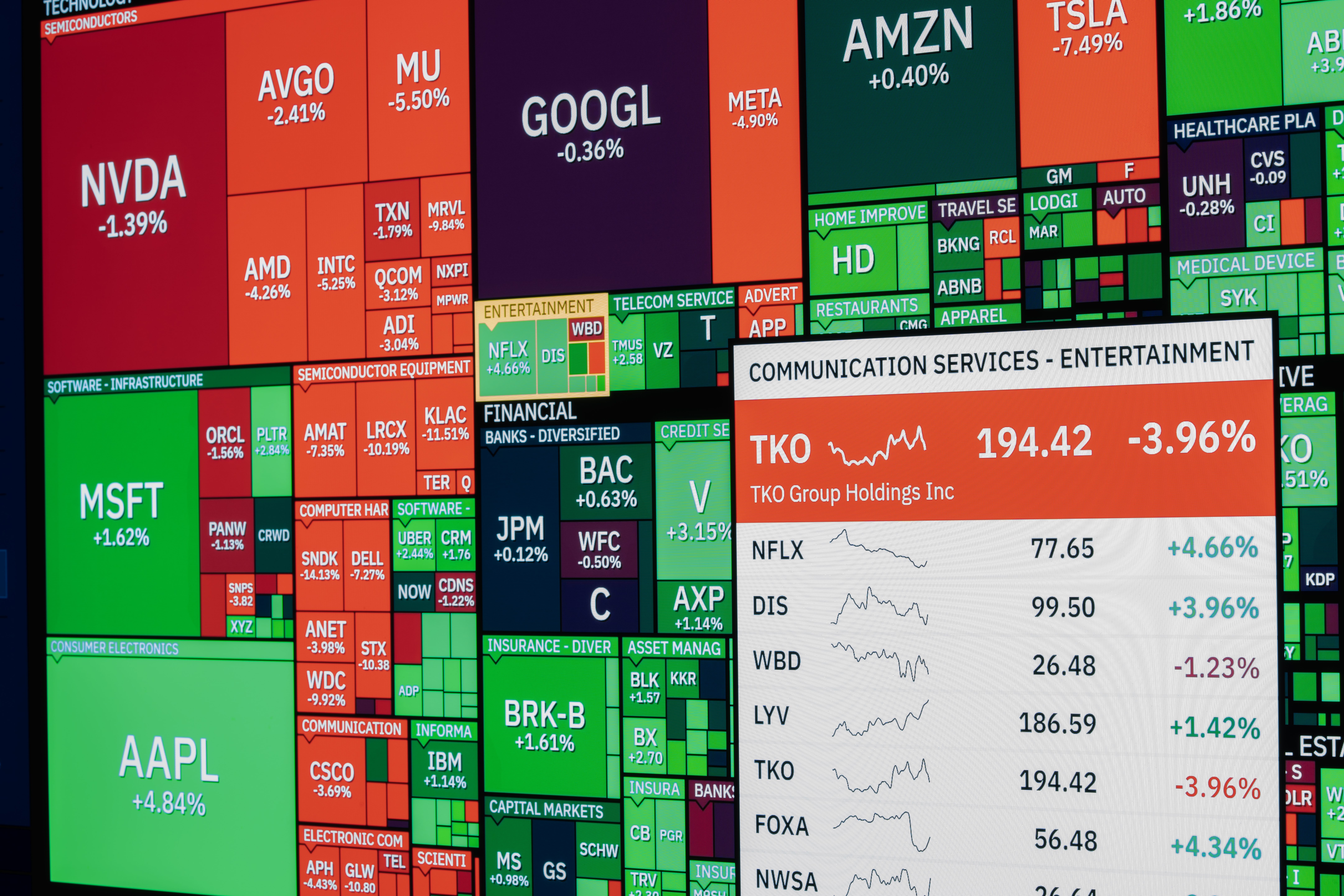
The Fed meeting does not arrive in isolation. This is simultaneously the busiest week of the second-quarter earnings season, with approximately one-third of S&P 500 companies reporting. Microsoft, Meta, Amazon, and Apple all report this week - the four largest AI spenders in the world, each of which will face pointed questions about whether their massive infrastructure investments are generating returns. Alphabet's report last week, which sent the stock down despite 82% cloud growth, set a nervous tone: investors are no longer rewarding growth alone. They want to see the cost of that growth justified.
The collision of the Fed meeting with peak earnings week creates a scenario where the market is simultaneously processing monetary policy signals and corporate guidance from the companies that have driven most of the S&P 500's 8% gain in 2026. "Investors are, to a certain extent, walking on eggshells," said Kristina Hooper, chief market strategist at Man Group. "They're more likely to react negatively to any signs of imperfection."
What Investors Should Watch
The rate decision itself - almost certainly a hold - will matter less than what surrounds it. Three things deserve close attention. First, the language of the policy statement: any shift toward more explicitly hawkish language, or any removal of language suggesting patience, would signal that the committee is moving closer to action. Second, Warsh's press conference tone: a chair who has shunned forward guidance could use Wednesday's appearance to either reassure markets or deliberately maintain ambiguity. Third, the dot plot is not being updated at this meeting - the next Summary of Economic Projections comes in September - which means investors will have to read between the lines rather than rely on explicit rate forecasts.
The deeper question this week is not whether the Fed hikes on Wednesday. It is whether the Fed's credibility on inflation is intact. A central bank that has missed its 2% target for five consecutive years, that is led by a chair who has promised to restore price stability but has not yet demonstrated how, and that is operating in an environment where oil prices are back at $100 and Treasury yields are rising - that is a central bank whose next move carries unusual weight. Wednesday's press conference will not resolve the inflation debate. But it will tell investors whether the Fed is getting closer to resolving it, or whether the uncertainty is set to persist well into 2027.