The Inflation Surprise Nobody Expected: What April PCE Data Means for the Fed's Next Move
April PCE came in at 2.1% headline and 2.5% core - a dramatic cooling that reshapes the Fed's June rate decision calculus and gives equity markets a fresh tailwind.


There is a number that the Federal Reserve has been chasing for the better part of three years, and on Wednesday morning, May 28, 2026, the Bureau of Economic Analysis delivered something that looked, at least on the surface, like genuine progress toward it. The April Personal Consumption Expenditures price index - the Fed's preferred inflation gauge - came in at 2.1% year-over-year on the headline, below the 2.2% economists had expected and a sharp deceleration from March's 3.5% reading. Core PCE, which strips out food and energy, rose 2.5% annually, down from 3.2% in March. Monthly core PCE increased just 0.1%.
For a market that has spent the past several months pricing in the possibility of a rate hike at the June 17 FOMC meeting, this is a meaningful data point. It does not resolve the inflation debate. But it complicates the case for tightening in ways that will force the Federal Reserve, and the investors watching it, to recalibrate.
The Numbers in Context
To appreciate how significant the April PCE print is, you have to understand where the data has been. The Iran war, which began in late February 2026, closed the Strait of Hormuz and sent oil prices surging above $120 a barrel at their peak. The ripple effects showed up quickly in the March data: headline PCE jumped to 3.5% year-over-year, core PCE accelerated to 3.2%, and the April CPI reading came in at 3.8% - the highest since May 2023. The FOMC minutes from the April 28-29 meeting, released on May 20, showed that almost all participants flagged the risk that inflation could prove more persistent than expected. The word "hike" had re-entered the policy conversation for the first time in over a year.
Against that backdrop, April PCE at 2.1% headline and 2.5% core is a genuine surprise. The monthly core reading of 0.1% is the softest in months. What the data is telling us is that the energy shock from the Iran conflict, while real and painful at the pump, has not yet triggered the broad-based second-round inflation effects that the Fed feared. Goods prices, which were expected to rise as tariffs and energy costs filtered through supply chains, have been more contained than the models suggested.
Why the Tariff Story Has Not Shown Up Yet
The April PCE report covers the first full month in which a significant portion of President Trump's tariff schedule was in effect. The fact that inflation cooled rather than accelerated during that period is the most politically and economically consequential aspect of the release. Nationwide chief economist Kathy Bostjancic captured the consensus view in a note published Wednesday: "The increased tariffs have not yet worked their way into the consumer inflation readings, but we anticipate that the improved inflation trend will reverse in the second half of the year as companies are forced to begin passing along a portion of the increased tariffs in order to protect profit margins."
That is the critical qualifier. The April data is not a signal that inflation has been defeated. It is a signal that the transmission mechanism from tariffs to consumer prices is slower than many economists assumed. Companies have been absorbing cost increases in their margins rather than passing them through immediately - a strategy that has limits. Walmart's CFO warned last week that if the elevated cost environment persists, the company would expect "somewhat higher retail price inflation" in the second quarter and the second half of the year. When the world's largest retailer signals it may have to raise prices, the inflation outlook for the back half of 2026 remains genuinely uncertain.
What This Means for the June FOMC Decision
The Federal Reserve under new Chair Kevin Warsh faces a genuinely difficult communications challenge heading into the June 17 meeting. Before Wednesday's data, the market was pricing a meaningful probability of a rate hike - the first since the tightening cycle of 2022-2023. The April PCE print does not eliminate that probability, but it shifts the balance of evidence in a direction that makes a June hold considerably easier to defend.
The Fed's dual mandate requires it to weigh both price stability and maximum employment. On the employment side, April payrolls added 115,000 jobs - solid but below trend - with unemployment holding at 4.3%. On the inflation side, the April PCE data now sits at 2.1% headline, just 10 basis points above the Fed's 2% target. Core at 2.5% is still elevated, but the direction of travel has shifted decisively. A central bank that hikes rates when headline inflation is at 2.1% and falling would face serious questions about whether it is responding to the data or to a narrative.
The more important question is what happens between now and June 17. The May CPI report releases on June 10, just seven days before the FOMC decision. If the Iran war's energy pass-through accelerates in May - oil prices have been volatile, and the Strait of Hormuz remains effectively closed - a hot CPI print could reverse the relief that Wednesday's PCE data provided. The May jobs report on June 5 adds another variable. The Fed will have a more complete picture than it has had at many recent meetings, and the sequential structure of the data - PCE on May 28, jobs on June 5, CPI on June 10 - means each release either reinforces or contradicts the previous one.
The Market Reaction and What It Signals
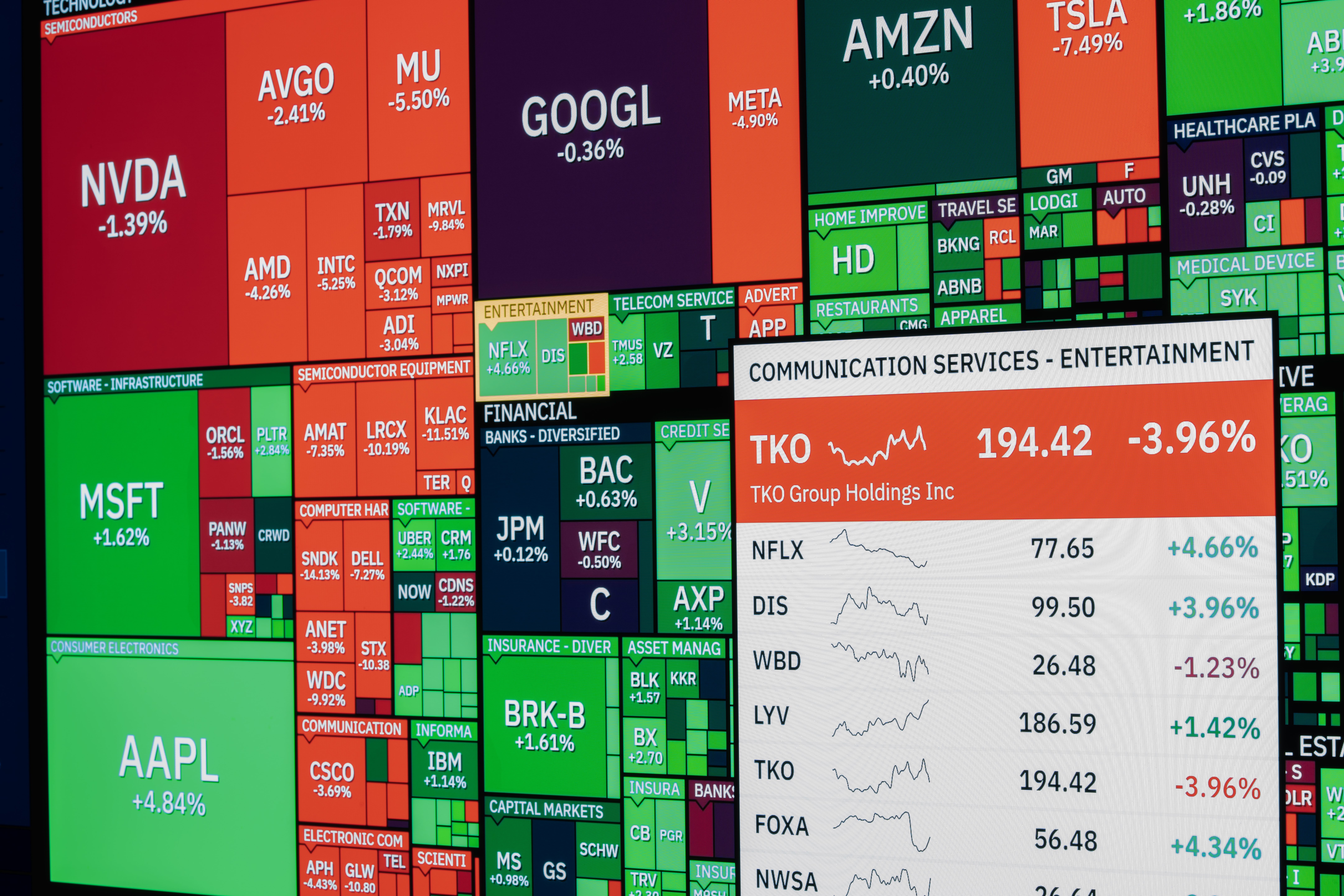
The immediate market response to the April PCE data was predictable in direction if not in magnitude. Treasury yields fell as investors repriced the probability of a June hike lower. Equity futures extended their gains. The 10-year yield, which had been hovering near 4.56% ahead of the release, moved lower as the bond market absorbed the implication that the Fed's next move is more likely to be a hold than a hike.
For equity investors, the PCE data arrives at a moment when the market is already trading at elevated valuations - roughly 21 times forward earnings on the S&P 500. The bull case for equities has always rested on two pillars: strong earnings growth and a Fed that is not actively tightening. Wednesday's data shores up the second pillar. Goldman Sachs raised its year-end S&P 500 target to 8,000 earlier this week, citing an "exceptionally strong" Q1 earnings season and projecting 24% EPS growth for 2026. A Fed that holds rates steady rather than hiking gives that earnings growth more room to translate into stock price appreciation without the headwind of rising discount rates.
The Bigger Picture: A Soft Landing Still in Play
The April PCE data, taken together with the Q1 GDP second estimate also released Wednesday - which is expected to confirm the advance reading of 2.0% annualized growth - paints a picture of an economy that is navigating a genuine supply shock with more resilience than the pessimists predicted. Growth is positive. Inflation, while above target, is moving in the right direction. The labor market is softening but not breaking. These are the conditions that define a soft landing, and they are conditions that the Federal Reserve has been trying to engineer for the better part of three years.
The risk is that this picture is a snapshot of April, not a forecast of the second half. The tariff pass-through that has not yet materialized in the data is still coming. The Iran war's energy shock has not been fully absorbed. And the Fed's own models suggest that the monetary fuel for sustained inflation - M2 growing at 4.6% annually, retail sales accelerating to 4.9% year-over-year - remains intact. Wednesday's data buys time. It does not buy certainty. The June 10 CPI print will tell us whether April's PCE surprise was the beginning of a genuine disinflation trend or a temporary reprieve before the second-half inflation story reasserts itself. Until then, the Fed has reason to hold, and the market has reason to be cautiously optimistic.