Greg Abel Has Launched: What Berkshire's $6.8 Billion Housing Bet Tells Us About the Post-Buffett Era
Greg Abel's first major acquisition as Berkshire CEO signals a more active approach to capital deployment and integration, marking the official beginning of the post-Buffett era.

There is a number that tells you everything you need to know about where Berkshire Hathaway stands today: $400 billion. That is roughly how much cash the Omaha conglomerate was sitting on when Greg Abel, Warren Buffett's hand-picked successor, announced his first major acquisition as CEO on Sunday, May 31. The deal - a $6.8 billion all-cash purchase of homebuilder Taylor Morrison Home Corp - used less than 2% of that pile. But the signal it sends is worth far more than the price tag.
The Deal at a Glance
Berkshire agreed to pay $72.50 per share for Taylor Morrison, a 24% premium to the homebuilder's closing price of $58.50 on May 29. Including debt, the total transaction value comes to approximately $8.5 billion. Taylor Morrison shares surged 22% on Monday following the announcement. Berkshire Class B shares barely moved, falling less than 1% - a sign that markets view the deal as sensible rather than transformative, at least in the near term. The acquisition is expected to close in the second half of 2026.
Abel was direct about the strategic rationale. "Berkshire is acquiring a best-in-class national homebuilder, led by an exceptional team and backed by a trusted reputation for customer experience," he said in the announcement. "Over time, we expect to unify our site-built homebuilding operations into a combined platform enabling us to deliver the dream of homeownership to more Americans." That last phrase - unifying site-built homebuilding operations - is the key line. It suggests Abel is thinking about integration and operational leverage in a way that Buffett, who famously preferred a hands-off approach to subsidiaries, rarely telegraphed so explicitly.
Buffett's Blessing and What It Means
Warren Buffett, now 95, offered an endorsement that was both warm and revealing. "Greg did that faster than I could have done it, smoother than I could have done it, and I never talked to the CEO. He has launched," Buffett told CNBC's Becky Quick. The phrase "he has launched" is not incidental. It is Buffett publicly passing the torch - acknowledging that Abel is operating independently, moving quickly, and doing so with his blessing. For investors who have spent years wondering whether Berkshire would change character under new leadership, that statement is as close to a definitive answer as they are likely to get.
The contrast with Buffett's style is instructive. Buffett built Berkshire on the principle of acquiring wonderful businesses at fair prices and then leaving management alone. Abel appears to be operating from the same value-oriented playbook, but with a more active posture toward integration. The Taylor Morrison deal is not a passive bet on a great management team. It is a deliberate move to build a larger, more unified housing platform - one that combines Taylor Morrison's site-built homes with Clayton Homes, Berkshire's manufactured housing giant, and the company's existing building products businesses.
The Housing Thesis
The deal is also a macro call. The US housing market has been under sustained pressure from elevated mortgage rates and affordability constraints that have weighed on demand for several years. Berkshire is betting that the cycle is turning - or at least that the structural case for homebuilding remains intact regardless of near-term rate dynamics.
Bill Stone, chief investment officer at Glenview Trust and a Berkshire shareholder, put it plainly: "They are betting the housing cycle will turn and that there is pent-up demand." That pent-up demand argument is well-supported by the data. Years of underbuilding relative to household formation have created a structural housing deficit in the United States that is estimated in the millions of units. Even with affordability challenges, the long-term demand picture for quality homebuilders is difficult to argue against.
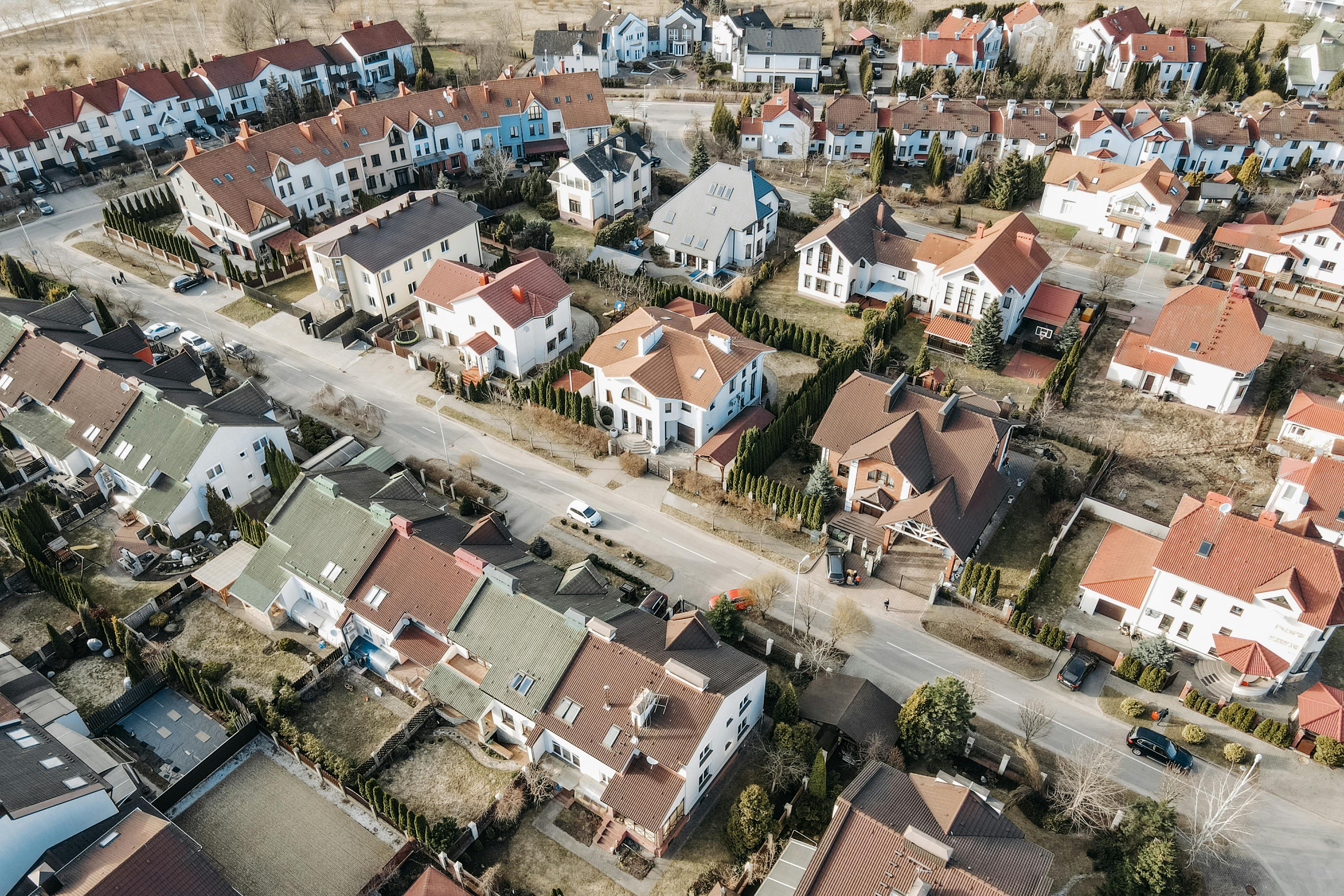
Taylor Morrison is a well-regarded national builder with a reputation for customer experience and a diversified geographic footprint. At the acquisition price, Berkshire is paying a premium - but not an extravagant one - for a business that fits neatly into its existing housing ecosystem. The combination of Clayton Homes on the manufactured side, Taylor Morrison on the site-built side, and Berkshire Hathaway HomeServices on the brokerage side creates a vertically integrated housing platform that few competitors can match.
The Cash Question
The deal also raises the question that has hung over Berkshire since Buffett began stepping back: what does Abel do with nearly $400 billion in cash? The Taylor Morrison acquisition uses roughly $6.8 billion of it - a meaningful sum in absolute terms, but a rounding error relative to the total. Berkshire's last major deal before this was the $9.7 billion acquisition of OxyChem, the chemical business of Occidental Petroleum, announced in October 2025. At that pace, the cash pile is not shrinking quickly.
The more interesting question is whether Taylor Morrison signals a change in cadence. Abel has now demonstrated that he can move quickly and decisively - Buffett's own words confirm it. If the housing deal is the opening move in a more active deployment strategy, the implications for Berkshire's capital allocation are significant. A company sitting on $400 billion in cash, led by a CEO who moves faster than his predecessor and is willing to think about operational integration, is a different animal than the Berkshire of the past decade.
What Investors Should Watch
For investors, the Taylor Morrison deal is a data point, not a conclusion. It tells you that Abel is willing to act, that he has Buffett's confidence, and that Berkshire is making a deliberate bet on the US housing market. It does not tell you whether the housing cycle will cooperate, whether the integration of site-built and manufactured housing will generate the synergies Abel is implying, or whether the next deal will be $10 billion or $100 billion.
What it does tell you is that the post-Buffett era at Berkshire has officially begun - not with a press release or a shareholder letter, but with a $6.8 billion check and a 95-year-old legend saying, simply, "He has launched." On Wall Street, that is about as clear a signal as you get.