Lockheed Martin's $230 Billion Backlog: What the Defense Giant's Record Quarter Reveals About the New War Economy

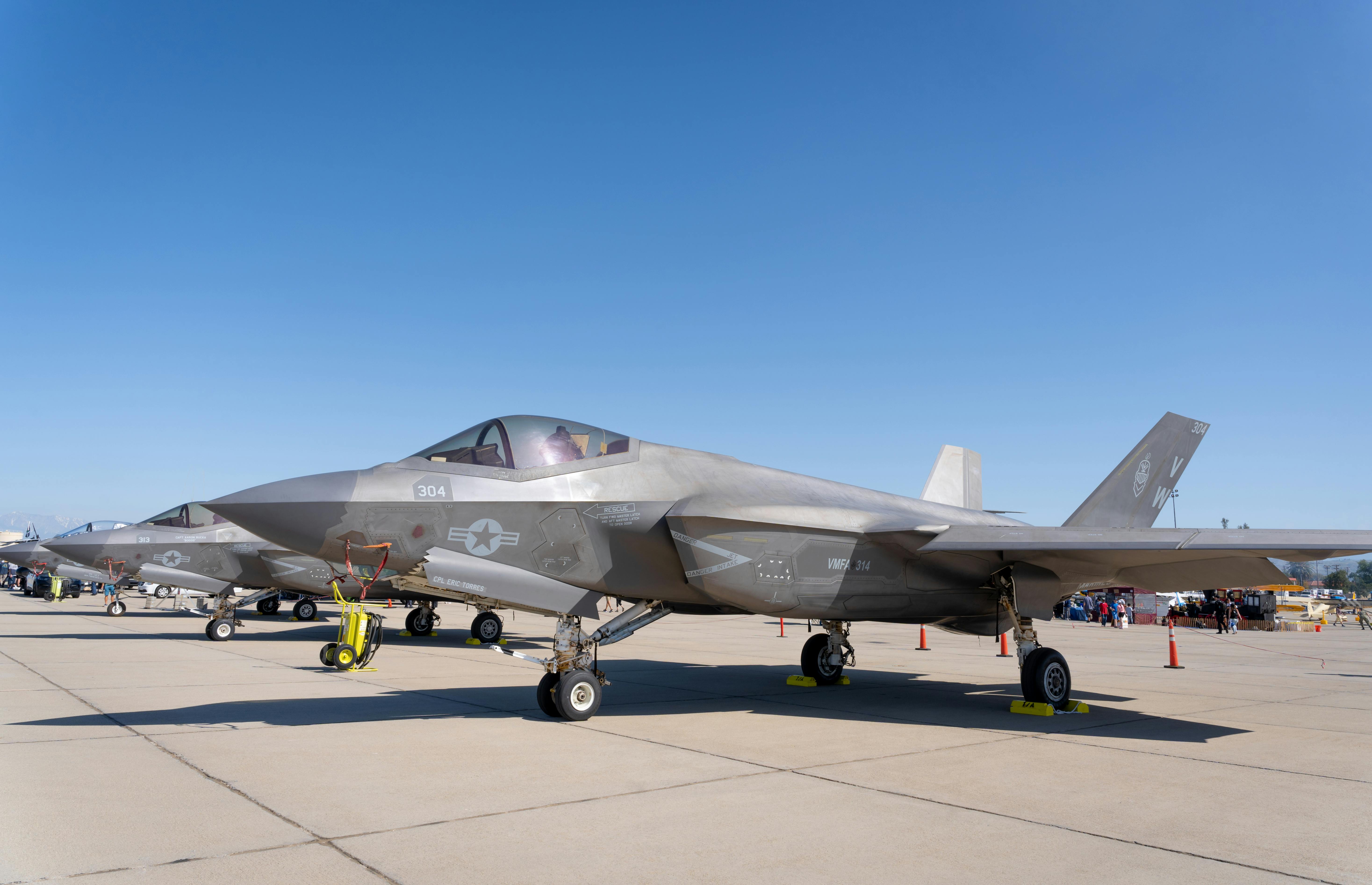
There is a number that captures the scale of what Lockheed Martin just reported: 230. That is how many billion dollars sit in the defense contractor's order backlog as of the end of the second quarter of 2026 - a record high, and a figure that tells you almost everything you need to know about where the global security economy is heading.
On July 23, Lockheed Martin reported second-quarter 2026 results that were, by almost any measure, extraordinary. Sales climbed 11% year-over-year to $20.1 billion. Net earnings surged to $1.836 billion, or $7.94 per diluted share - compared to just $342 million, or $1.46 per share, in the same quarter a year ago. Free cash flow swung from negative $150 million to positive $2.9 billion. The company pulled in $65 billion in new orders during the quarter alone. And it raised its full-year guidance across every major financial metric.
The stock responded accordingly. Shares of LMT surged more than 10% on Friday, making it the top gainer in the S&P 500 on a day when the broader index was sinking under the weight of Tesla's earnings collapse and oil prices retaking $100 a barrel. In a market defined by anxiety, Lockheed Martin was the rare company delivering clarity.
The Munitions Ramp Is Real
The most important story inside these numbers is not the headline EPS beat - it is the acceleration happening inside the Missiles and Fire Control segment. Sales there rose 19% year-over-year to $4.1 billion, driven by production ramps on PAC-3 and THAAD missile defense systems, as well as the Precision Strike Missile, known as PrSM. Operating profit in that segment climbed 24%.
This is not a one-quarter phenomenon. During the earnings call, CEO Jim Taiclet described a business in "scaling mode," with some munitions programs potentially doubling deliveries this year versus last, and potentially doubling again in 2027. The company signed a $35 billion multi-year contract with the Missile Defense Agency for THAAD interceptors - a deal that alone reshapes the Missiles and Fire Control backlog, which jumped from $46.7 billion at year-end 2025 to $87.9 billion by June 28, 2026.
That near-doubling of the missile defense backlog in six months is not an accounting artifact. It reflects a fundamental shift in how the United States and its allies are thinking about deterrence. The US-Iran conflict, the ongoing war in Ukraine, and the broader rearmament of NATO allies have created a demand environment for precision munitions that the defense industrial base is only beginning to catch up to.
The Contrast With the Rest of Earnings Season
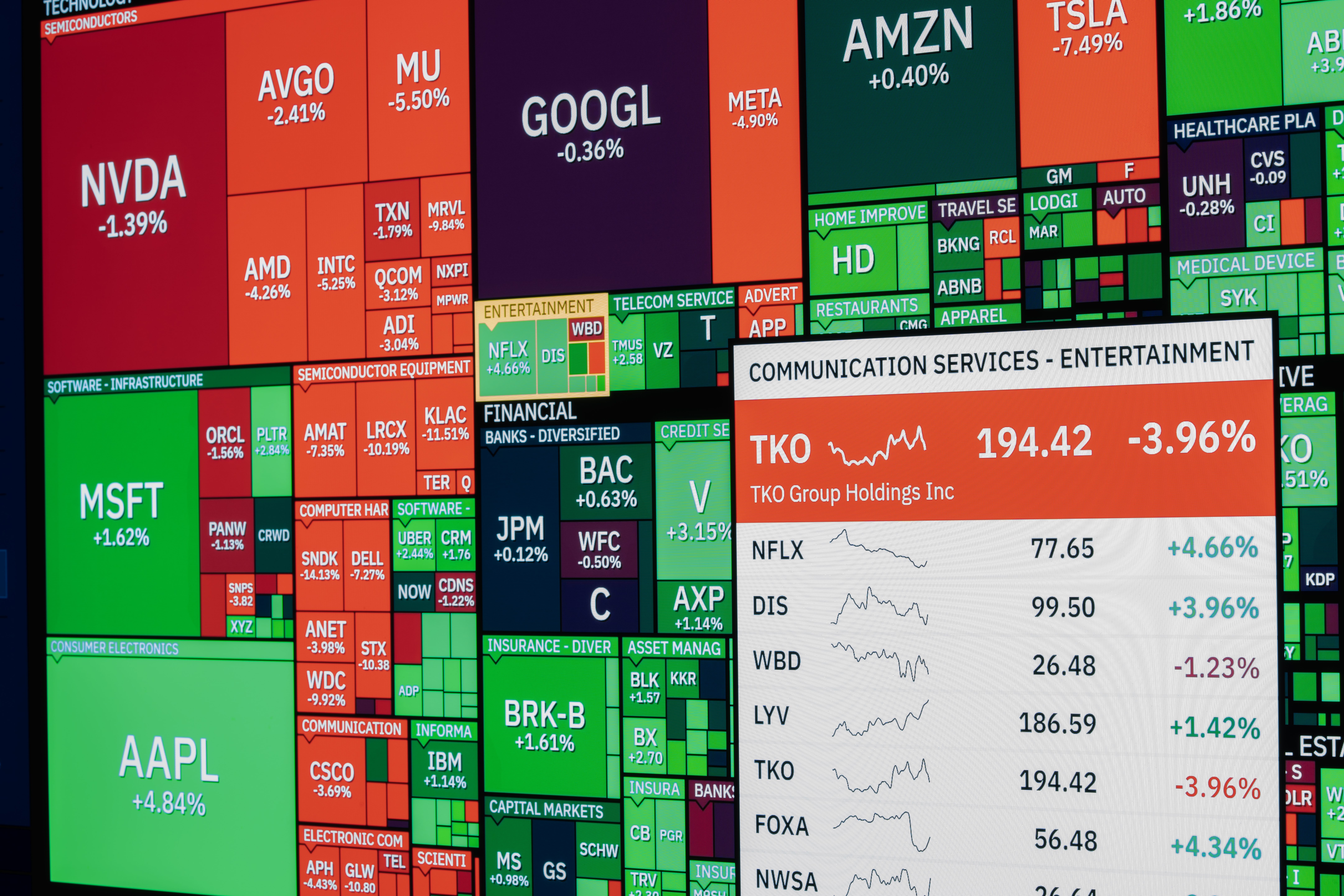
It is worth pausing to appreciate the context in which these results landed. The week of July 21-25 has been one of the most volatile in recent memory. Tesla reported a 57% collapse in operating profit and an EPS miss of more than 40% versus expectations. Alphabet's stock fell despite Google Cloud growing 82%, because investors were spooked by $205 billion in annual AI capital expenditure guidance. The Nasdaq-100 dropped more than 2% on Thursday alone.
Against that backdrop, Lockheed Martin's results read like a dispatch from a different economy entirely - one where demand is not driven by consumer sentiment or advertising budgets, but by geopolitical necessity. Defense budgets do not contract when the Fed raises rates. Missile orders do not slow when oil hits $100 a barrel. If anything, the same macro forces that are punishing growth stocks are accelerating the case for defense spending.
The Innovation Angle That Deserves More Attention
Buried in the earnings commentary was a detail that should get more attention from investors: Lockheed Martin took its Sanctum counter-drone system from concept to successful live-fire testing in just 45 days. The system integrates a battle manager, radar, launcher, and combat-proven missile into a single engagement chain.
This matters because the drone threat has emerged as one of the defining tactical challenges of modern warfare, and the ability to develop and field counter-drone solutions at speed is becoming a core competency for defense contractors. The 45-day timeline is not just a marketing talking point - it signals a shift in how Lockheed is approaching development cycles, moving closer to the agile model that has historically been the domain of smaller defense tech startups.
What the $230 Billion Backlog Means for Investors
A backlog of $230 billion, against annual revenue guidance of roughly $80 billion, represents nearly three years of revenue visibility. That is an extraordinary position for any industrial company to be in, and it fundamentally changes the risk profile of the stock.
Lockheed Martin has now raised its full-year 2026 guidance to approximately $79.75 billion to $81.75 billion in sales, with diluted EPS of $29.95 to $30.65 and free cash flow of more than $7 billion. The company is also acquiring Ultra Maritime, a move that will expand its undersea warfare capabilities at a time when submarine and anti-submarine warfare are receiving renewed strategic emphasis.
The stock is up roughly 40% year-to-date in 2026. That is a remarkable run for a company of this size, and it raises the obvious question of whether the valuation has gotten ahead of the fundamentals. But with a record backlog, accelerating revenue growth, and a geopolitical environment that shows no signs of de-escalating, the bull case for Lockheed Martin is not built on hope - it is built on contracts already signed.
In a market where the AI spending cycle is generating as many questions as answers, and where oil prices are complicating the Fed's calculus, Lockheed Martin's quarter is a reminder that the most durable earnings growth in 2026 may not be coming from Silicon Valley. It may be coming from Bethesda.