Nvidia's Price Hike Warning: What a 15% AI Chip Cost Surge Means for the Data Center Buildout
Bloomberg reports Nvidia has notified its largest customers of AI server price hikes exceeding 15%, driven by soaring memory chip costs. With Q2 earnings due August 26, here is what the pricing shift means for the hyperscalers and the broader AI buildout.

There is a number that Wall Street cannot stop thinking about this weekend: 15. That is how many percent - at minimum - Nvidia's largest customers have been told to expect server prices to rise, according to a Bloomberg report published Saturday. The increases will apply to systems containing Nvidia's flagship Vera Rubin and Grace Blackwell AI chips, with shipments affected beginning early 2027. For an industry already spending at a pace that has no historical precedent, the news lands like a tax on ambition.
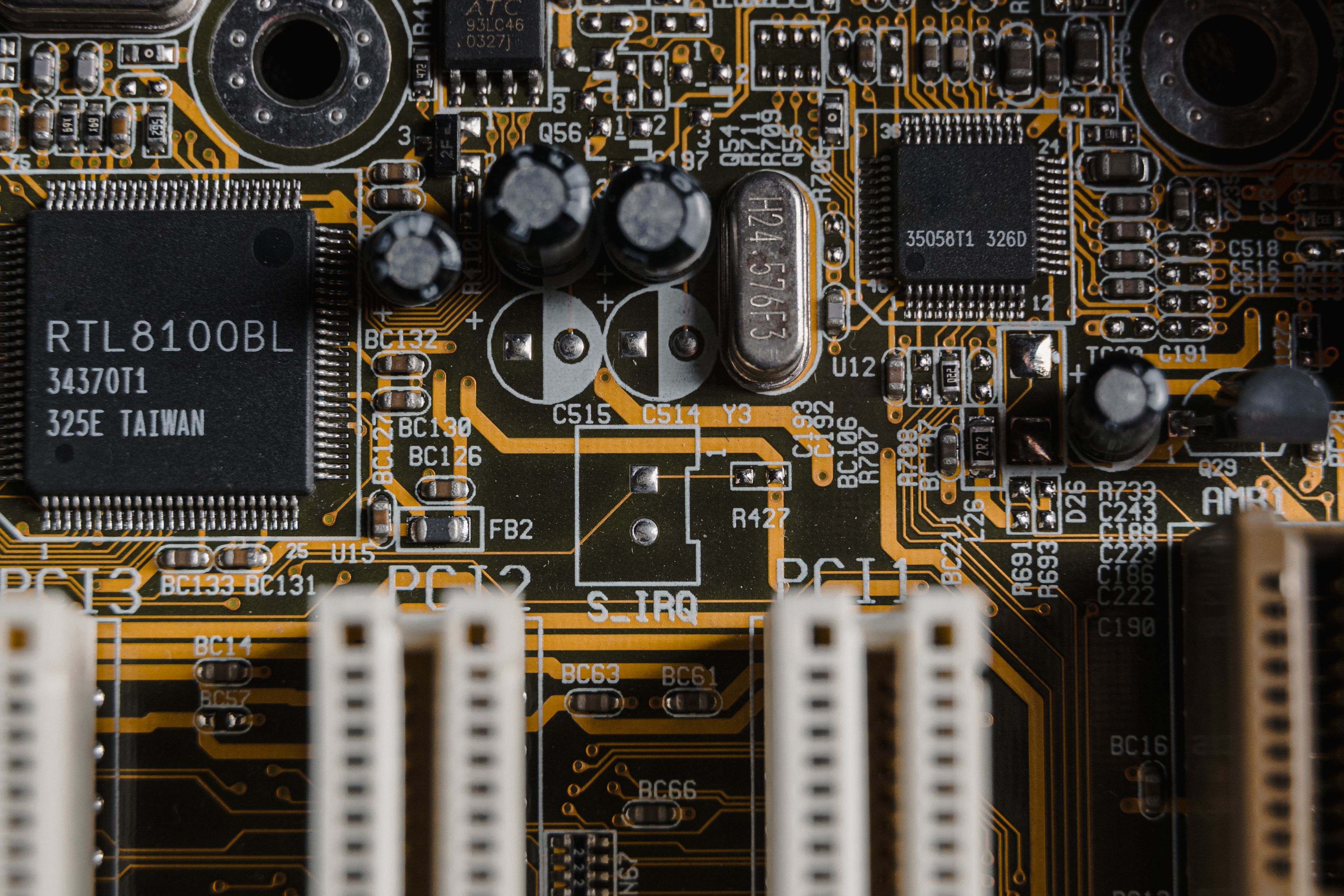
The price hikes are not coming from Nvidia alone. The real culprit is memory - specifically, the high-bandwidth memory chips that sit alongside Nvidia's processors and make them capable of the massive parallel computations that AI workloads demand. Samsung, SK Hynix, and Micron together control the overwhelming majority of global HBM production, and all three have been shifting capacity toward the high-margin AI segment. That shift has created a supply squeeze that is now flowing directly into the cost of every AI server that leaves a factory floor.
Who Pays the Bill
The companies absorbing these increases are not end users - they are the contract manufacturers and server builders who assemble AI infrastructure for the hyperscalers: Microsoft, Alphabet's Google, Oracle, and others. Those companies have already committed to extraordinary capital expenditure programs. Amazon, Google, Microsoft, and Meta together spent a combined $165 billion on capital expenditures in the second quarter of 2026 alone - an 87 percent increase from a year earlier. A 15 percent increase in server costs does not derail that spending, but it does compress margins and complicate the financial models that underpin the entire AI buildout thesis.
The timing is notable. Nvidia is scheduled to report its second-quarter earnings on August 26 - just days away. Investors will be watching not just the revenue and earnings figures, but the guidance language around pricing power and demand elasticity. Nvidia's stock has already climbed more than 16 percent year-to-date to around $217 per share, and the market has priced in a near-perfect execution scenario. Any sign that price hikes are creating friction with customers - or that customers are beginning to explore alternatives - could test that premium valuation.
The Pricing Power Question
Nvidia's ability to raise prices is, in one sense, a testament to its dominance. The company charges tens of thousands of dollars per chip because Taiwan Semiconductor Manufacturing Company still cannot produce enough of them to meet demand. That supply constraint has given Nvidia - and by extension, the memory suppliers - pricing leverage that most companies can only dream of. But pricing power is not infinite, and the AI infrastructure market is not a captive one.
Broadcom, which designs custom AI chips for Alphabet and Meta and recently entered talks to raise more than $60 billion in debt to finance AI chip supply for Anthropic and other companies, represents the most credible alternative path. The hyperscalers have been investing heavily in custom silicon precisely to reduce their dependence on Nvidia's merchant chips. A sustained price increase accelerates that calculus. Every dollar added to the cost of an Nvidia server is a dollar that makes a custom chip program look more attractive over a three-to-five year horizon.
What the Market Is Really Pricing
The broader context matters here. The S&P 500 is hovering near record highs above 7,600, with AI-related capital expenditure serving as one of the primary engines of earnings growth. The nonresidential investment category contributed more than a full percentage point to second-quarter GDP growth. That is an economy that has, in a meaningful sense, bet on the AI buildout continuing at its current pace.
A 15 percent price increase on AI servers is not a crisis. But it is a signal that the cost structure of the AI economy is shifting. The companies that have been spending freely on infrastructure are now facing a more expensive bill for the same hardware. That changes the return-on-investment math, even if only at the margins. And at the scale these companies are operating - hundreds of billions of dollars in annual capex - even marginal changes in unit economics translate into significant shifts in cash flow and profitability.
The Earnings Moment
Nvidia's August 26 earnings report will be the first real opportunity for management to address the pricing dynamic publicly. Analysts will want to know whether the increases reflect a deliberate strategy to capture more value from a captive customer base, or whether they are being driven by input costs that Nvidia itself cannot fully control. The answer will shape how investors think about the company's margin trajectory heading into 2027.
For Wall Street, the Nvidia price hike story is ultimately a test of a core assumption: that the AI buildout is so strategically essential to the hyperscalers that cost increases will simply be absorbed. So far, that assumption has held. The question is how many more 15 percent increases it can survive before the math starts to change.