Tesla's Cybercab Is Days Away. Here Is What Wall Street Is Really Betting On.

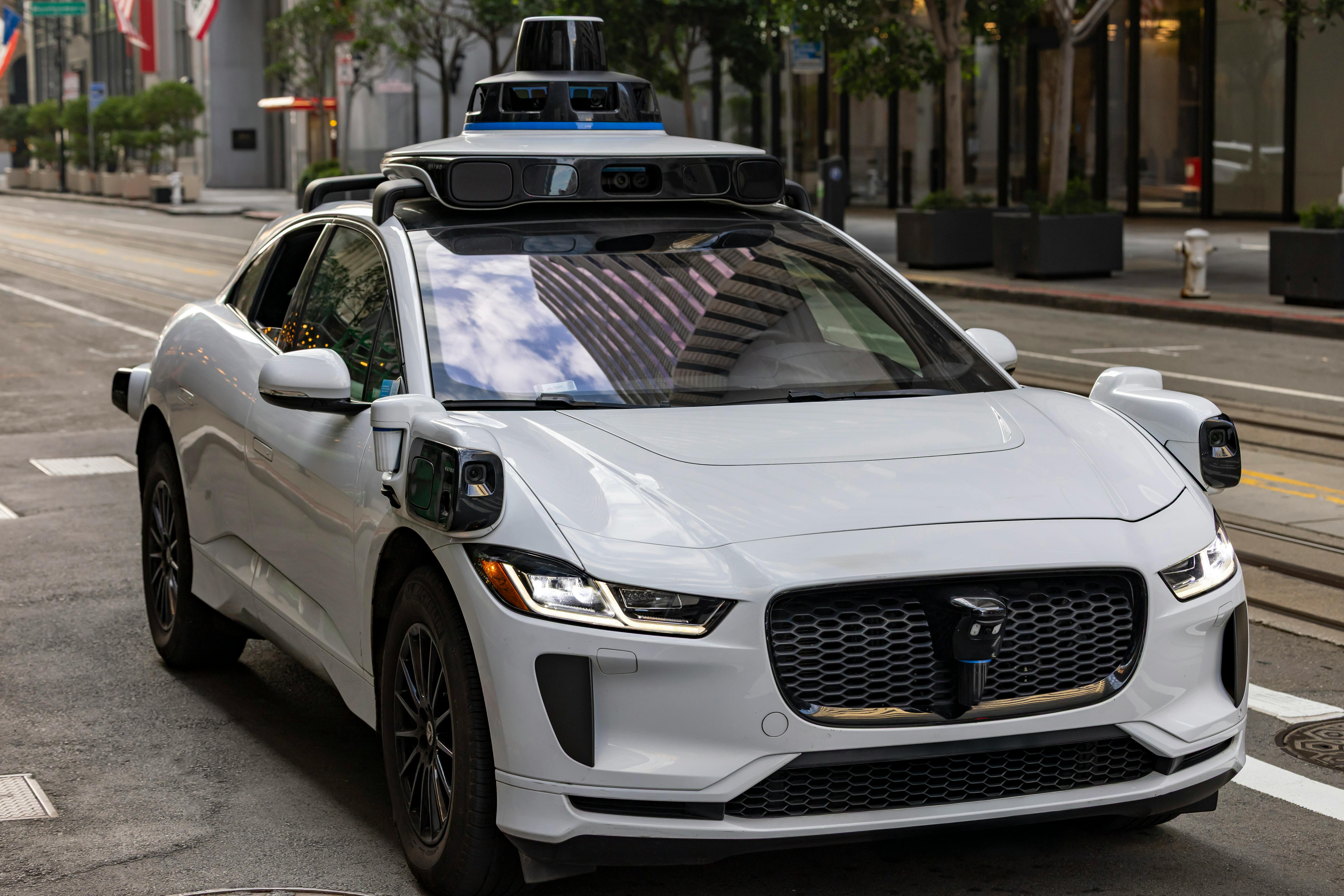
There is a number that defines what Tesla is about to attempt: zero. That is how many steering wheels or brake pedals will be inside the Cybercab when it begins carrying passengers on public roads in Austin, Texas - potentially within days. For the first time in the history of American mass-market automotive production, a company is preparing to deploy a vehicle that physically cannot be driven by a human. There is no fallback. There is no override. The machine is either good enough, or it is not.
According to a report from The Information, Tesla has told employees it is gearing up for a public launch of the Cybercab as soon as this month. The rollout plan follows a deliberate sequence: employee rides on public roads first, then incorporation into Tesla's commercial robotaxi service in Austin a few days later. The company has spent recent weeks conducting test drives, offering rides on private roads, and training local first responders - the kind of operational groundwork that suggests this is not a vague aspiration but an imminent deployment.
Why This Moment Is Different
Tesla has been promising a robotaxi future for years. Elon Musk first floated the concept of a Tesla Network - where owners could rent out their cars as autonomous taxis - back in 2016. The Cybercab was formally unveiled in October 2024 at the "We, Robot" event, and the stock fell nearly 9 percent the next day as investors found the presentation light on regulatory detail and safety data. The market had heard the story before.
But August 2026 is different in one critical respect: the cars exist, they are in production, and they are being tested on public roads. Reuters confirmed that gold-colored Cybercabs were photographed lined up in a San Diego parking lot on August 12. Tesla's Robotaxi account on X is running a promotion through August 23 that enters riders into a draw to attend a Cybercab launch event - the kind of consumer-facing marketing that does not happen unless a launch is genuinely close.
The Cybercab is a two-seat vehicle priced at roughly 25,000 to 30,000 dollars. It uses Tesla's Full Self-Driving system, which has been available in a supervised form on existing Tesla vehicles for years. The Cybercab removes the supervision entirely. That is the leap - and it is a significant one.
What Wall Street Is Actually Pricing
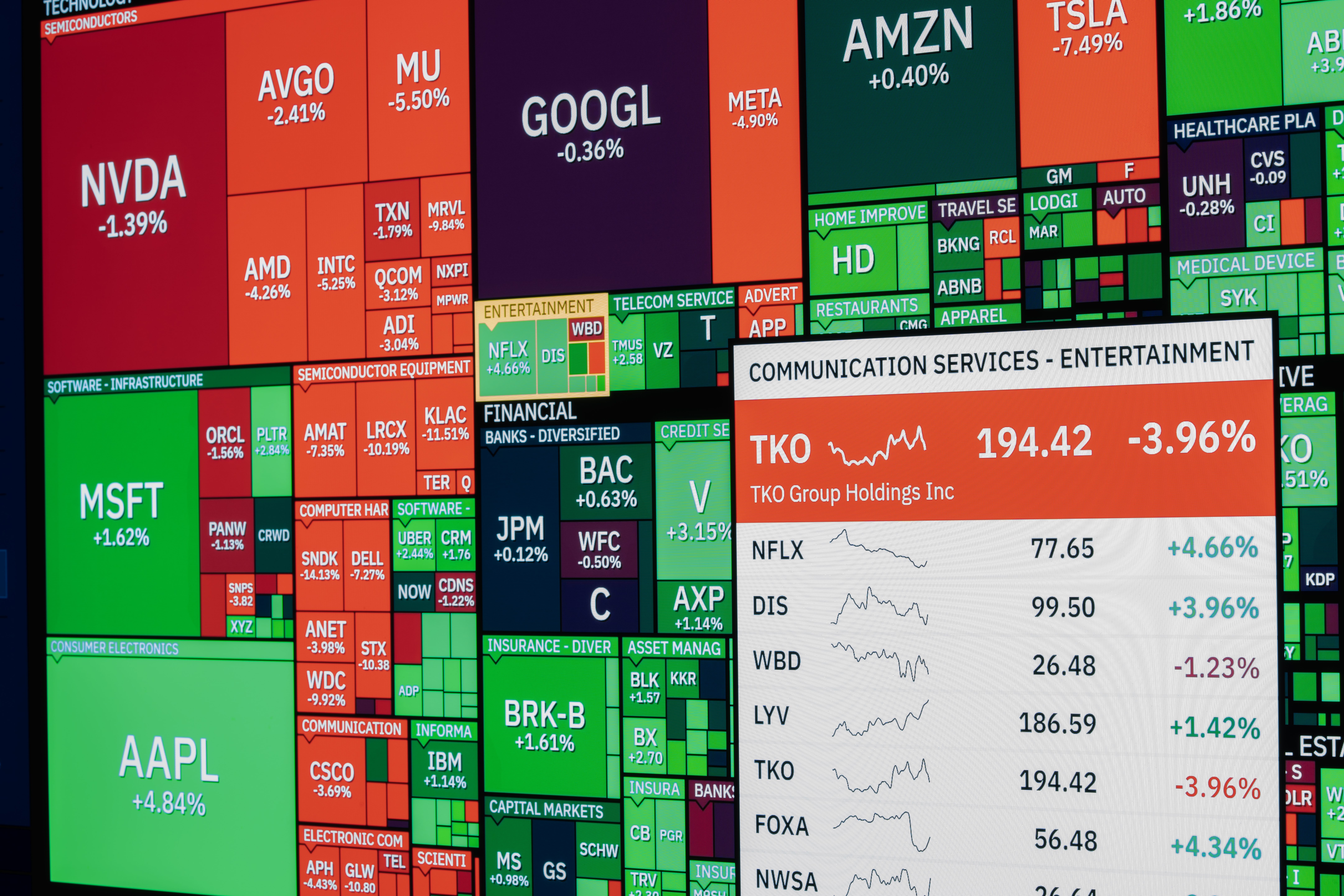
Tesla shares closed at 339.30 dollars on August 18, down about 1.2 percent on the day, and are down roughly 21 percent year-to-date in 2026. The consensus analyst price target sits at 395.34 dollars, implying about 17 percent upside from current levels. But the more interesting question is not what the stock is worth today - it is what the stock is pricing in for the future.
Morgan Stanley analyst Adam Jonas has long argued that roughly 80 percent of his Tesla price target derives from businesses that are not directly related to assembling cars. That framing matters enormously right now. If the Cybercab launch goes smoothly - if the software performs, if regulators do not intervene, if riders do not encounter incidents - it validates the entire thesis that Tesla is not an automaker but a technology platform with a fleet of AI-powered robots on wheels.
If it does not go smoothly, the consequences extend well beyond a single product. A high-profile autonomous vehicle incident in Austin would invite federal scrutiny, embolden competitors, and potentially set back the entire robotaxi industry by years. The stakes are not just financial - they are reputational and regulatory in ways that are difficult to quantify.
The Competitive Landscape Is Accelerating
Tesla is not operating in a vacuum. Waymo, the Alphabet subsidiary, has been running fully driverless rides in San Francisco, Phoenix, and Los Angeles for years and has accumulated millions of miles of real-world autonomous driving data. Waymo's approach - using expensive lidar sensors and high-definition maps - is fundamentally different from Tesla's camera-only, neural-network-based system. The two companies are essentially running competing experiments in how to solve the same problem.
China's Pony.ai, which went public on Nasdaq in late 2024, announced this week that it plans to deploy more than 4,000 robotaxis abroad, signaling that the global race for autonomous ride-hailing dominance is intensifying. Uber and Lyft, meanwhile, have positioned themselves as potential distribution partners for autonomous vehicles rather than pure competitors - a strategic hedge that could benefit them regardless of which technology wins.
The broader context matters too. The robotaxi market is projected to be worth hundreds of billions of dollars annually by the mid-2030s. The company that establishes early operational credibility - not just a flashy demo, but a reliable, scalable service - will have a structural advantage that is very difficult to dislodge.
The Real Test Begins Now
For years, Tesla's robotaxi ambitions have been a story about the future. The Cybercab launch in Austin transforms it into a story about the present. Every ride completed without incident is a data point in favor of the bull case. Every regulatory question raised, every software limitation exposed, is a data point for the bears.
Wall Street has been waiting for this moment for a long time. The question is no longer whether Tesla can build a car without a steering wheel. It can. The question is whether the software behind that car is ready for the world - and whether the world is ready for it. The answer, one way or another, is coming very soon.