Oil's False Dawn: Why the Iran Peace Rally Has a Long Way to Run

Oil traders have been here before. Three times since the 2026 Iran war began in late February, markets have priced in a peace deal only to watch it evaporate within hours. So when President Trump posted on social media Saturday morning that the Strait of Hormuz deal was "largely negotiated" and that ships would soon pass freely, the initial reaction was familiar: a sharp drop in crude futures, a pop in equity markets, and a collective exhale from an economy that has been paying a war premium on every gallon of gas for nearly three months. Whether this time is different is the question that will define the next several weeks of trading.
The numbers behind the optimism are real. Brent crude, which peaked above $120 a barrel during the worst of the conflict, settled just above $100 on Friday and was testing lower levels in Sunday evening trading as Trump's comments circulated. The S&P 500 futures were up more than 1% on the news. Americans have spent an estimated $44.1 billion in extra fuel costs since the war began, according to The New York Times, and any credible path toward reopening the strait would represent a meaningful disinflationary impulse at exactly the moment the Federal Reserve is wrestling with whether to hold rates or hike them. The market wants this deal to be real. The question is whether wanting it makes it so.
What Iran Actually Said
The complication arrived within hours of Trump's statement, as it has every time before. Iran's state news agency Fars reported that while Iran had agreed to allow the number of passing vessels to return to pre-war levels, "this in no way means 'free passage' as it existed before the war." That is a significant qualifier. The Strait of Hormuz has been Iran's primary piece of leverage throughout a conflict in which it was overwhelmed militarily. Speed boats, mines, and improved drones have been enough to block the world's most important oil chokepoint to commercial tankers, starving the global economy of roughly a fifth of its oil supply. Iran is not going to surrender that leverage without something concrete in return, and the gap between Trump's characterization and Tehran's remains wide.
The sticking points are well established at this point. Iran wants the US naval blockade lifted as a precondition for full passage. Washington has been unwilling to do that without verified steps toward nuclear dismantlement. Iran's enriched uranium stockpile, which the IAEA has confirmed is at record levels, remains the central unresolved issue. And the question of whether any agreement would require Senate ratification, which Republican senators including Lindsey Graham and Tom Cotton have insisted upon, adds another layer of domestic political complexity that the White House has not fully addressed.
The Logistics Problem Nobody Is Talking About
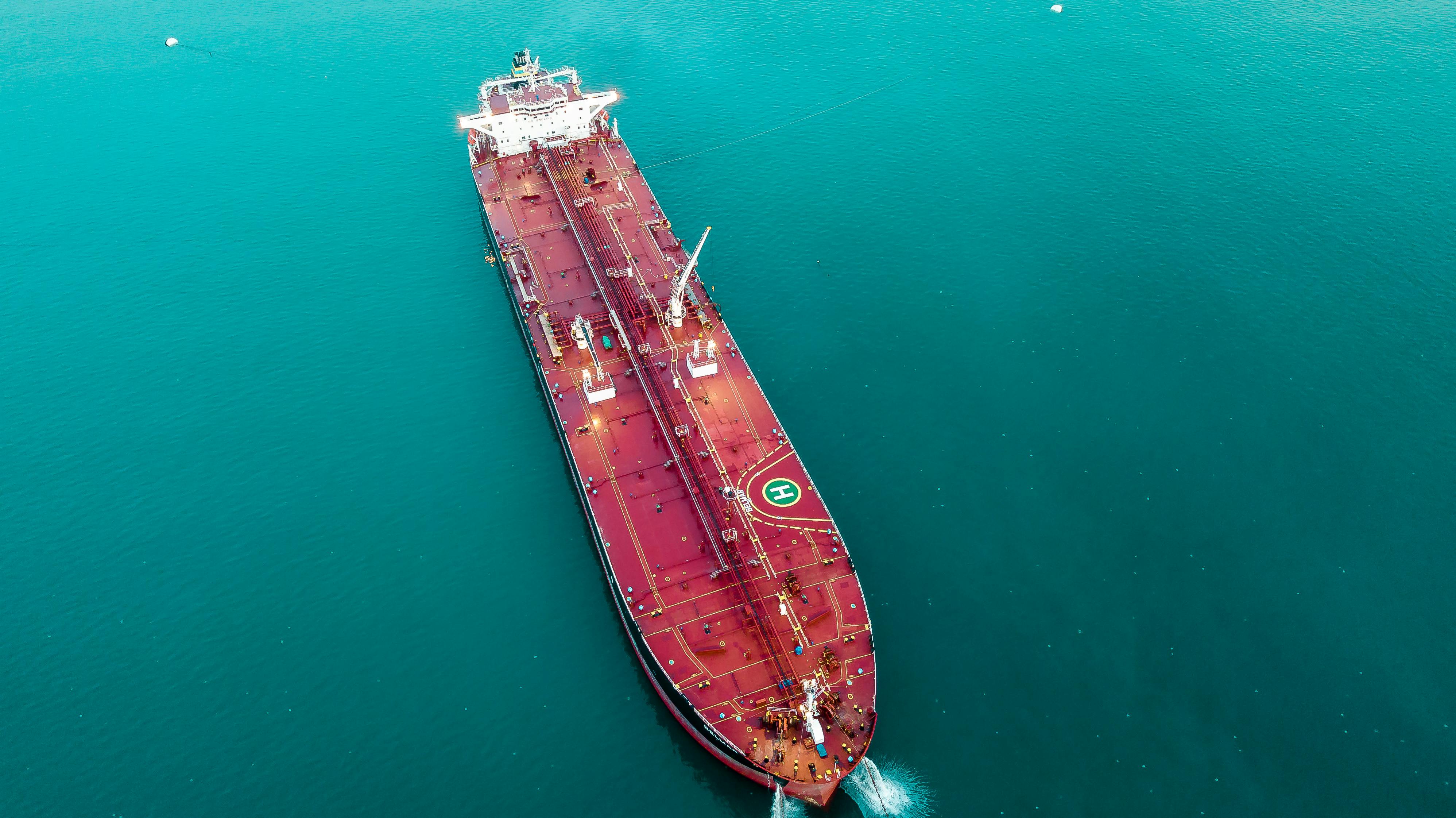
Even setting aside the diplomatic uncertainty, the market's assumption that a deal means an immediate return to pre-war oil prices deserves scrutiny. The physical reality of reopening the strait is considerably more complicated than the financial markets appear to be pricing in. According to Matt Smith, lead oil analyst at Kpler, approximately 166 tankers are currently stuck in the Persian Gulf carrying around 170 million barrels of oil. Those vessels need to clear out before empty tankers can enter, load up, and head back out. Victoria Grabenwöger, a senior oil analyst also at Kpler, estimates that a return to full tanker transit capacity could take up to three months from the moment the strait genuinely reopens.
Beyond the shipping backlog, the production restart is its own engineering challenge. Middle Eastern oil wells were largely shut off during the war. Turning production back on is not like flipping a switch. It involves rebalancing water and gas injected into wells, coordinating across multiple producers and countries, and managing the risk of reservoir collapse if the process is rushed. Some refinery and infrastructure damage from the conflict could take years to fully repair. JPMorgan analysts, who expect the strait to open toward the beginning of June, are projecting that Brent will still average $97 a barrel through the rest of the year even in a scenario where the deal holds. The futures market currently does not anticipate oil returning to the $60 range, which historically corresponds to $3-a-gallon gasoline at the pump, until 2032.
What the Market Is Actually Pricing
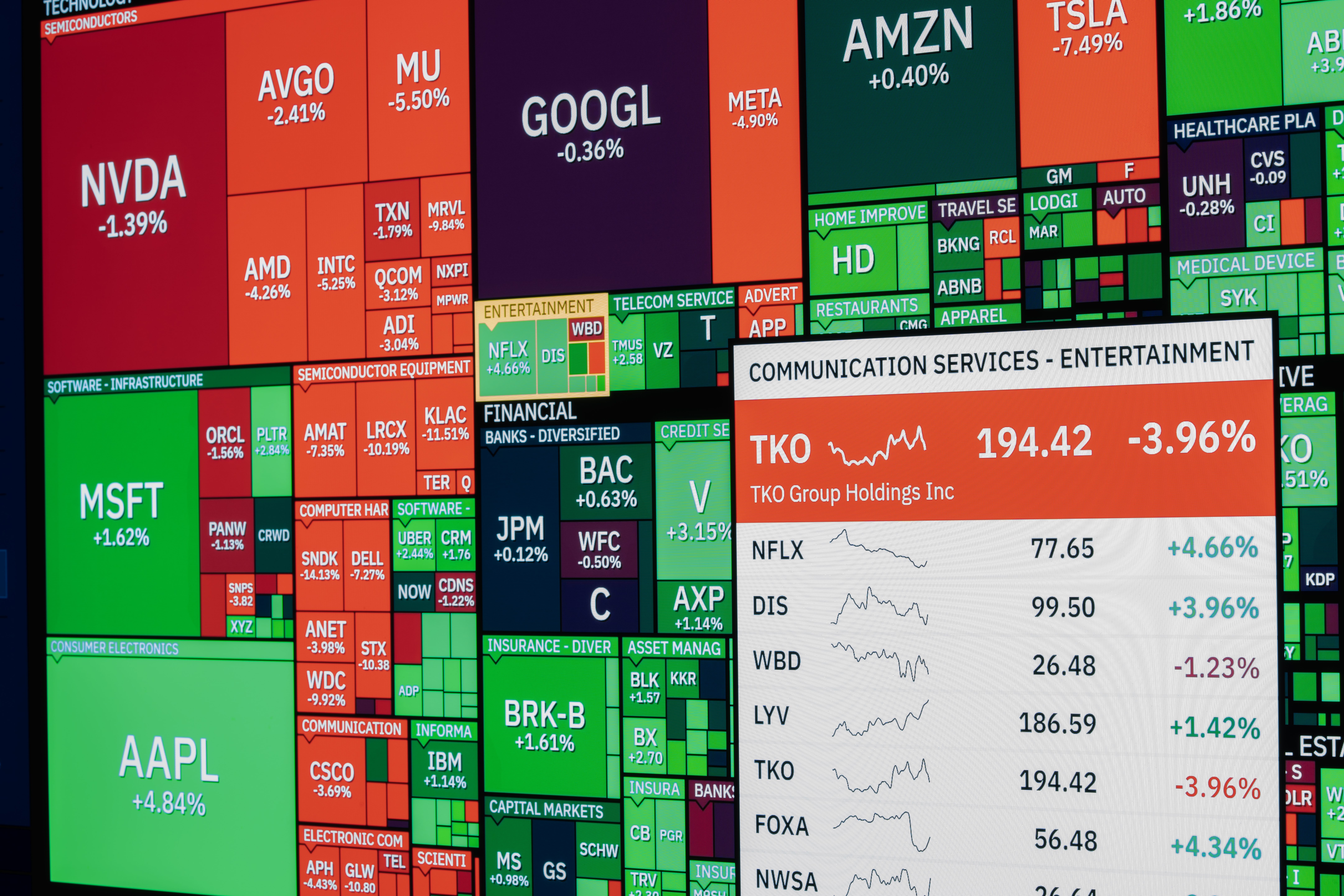
The rally in equities and the drop in crude on Saturday's news reflects something more psychological than fundamental. After three months of war premium, investors are desperate for a reason to believe the worst is behind them. The S&P 500 has already recovered substantially from its wartime lows, earnings growth for the season is running at nearly 28%, and the Nasdaq has clawed back most of its losses. The market has been remarkably resilient given the scale of the supply shock. But that resilience has been built on the assumption that the war would eventually end, and every piece of news that seems to confirm that assumption gets amplified.
The risk is that the market is pricing a clean resolution to a situation that is structurally messy. Even if Trump and Iran's new leadership reach a memorandum of understanding this week, the implementation timeline is long, the verification challenges are significant, and the history of this particular negotiation is littered with agreements that collapsed within hours of being announced. The April 18 episode, when Iran agreed to reopen the strait and then reversed course within hours after accusing the US and Israel of violating their end of the bargain, is the most recent reminder of how quickly the situation can deteriorate.
The Trade Worth Watching
For investors, the more interesting question is not whether oil falls on a deal announcement but what happens in the weeks after. If the strait genuinely reopens and production begins to restart, the disinflationary effect on the US economy would be substantial. Lower energy costs would ease pressure on the Federal Reserve, potentially pushing back the timeline for any rate hike and giving equity markets room to run further. That is the bull case, and it is a real one. But it requires a sequence of events, each of which carries its own probability of failure, to unfold in the right order over a period of months. The market is trading as if that sequence is already complete. It is not. The strait is still closed, the tankers are still stuck, and Iran's state media is still insisting that free passage is not on the table. Saturday's rally was a preview of what a real deal would look like. Whether it becomes the real thing is a different question entirely.