SpaceX's $75 Billion IPO Is Rewriting the Rules - Except the Ones That Matter Most

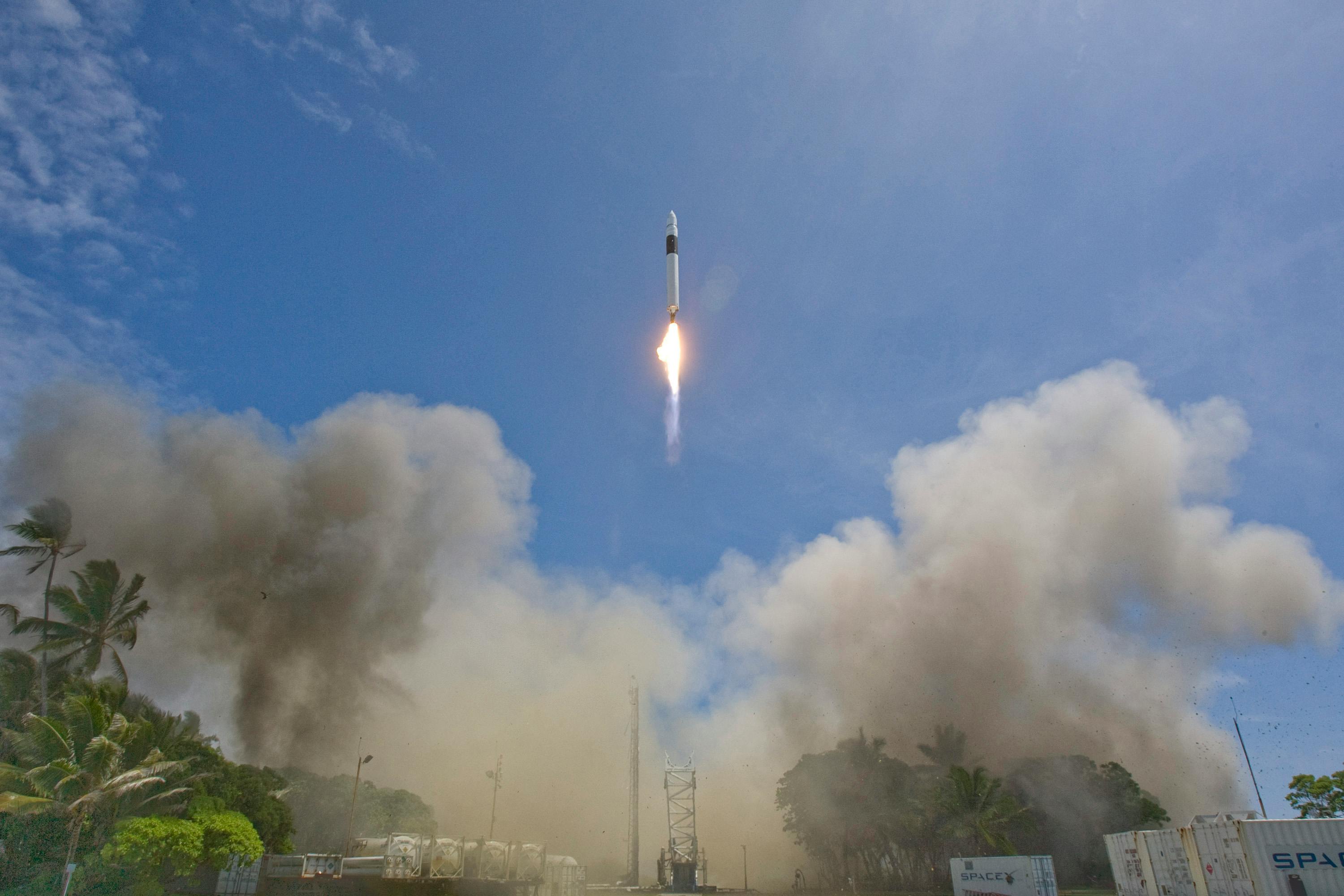
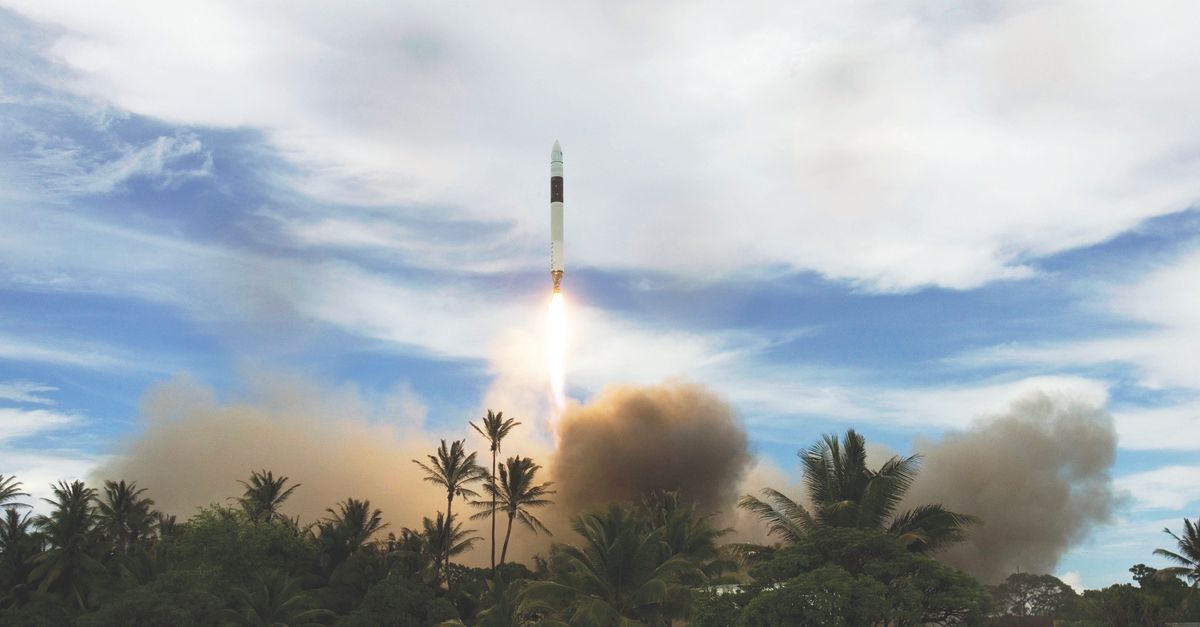
There is a number that captures the audacity of the SpaceX IPO better than any roadshow slide: 555,555,555. That is how many shares Elon Musk's rocket company plans to sell at exactly $135 apiece - a fixed price, not a range - to raise $75 billion in what would be the largest initial public offering in history. The valuation implied: $1.75 trillion. The trading debut: expected June 12. The demand from investors: described by sources close to the deal as insatiable.
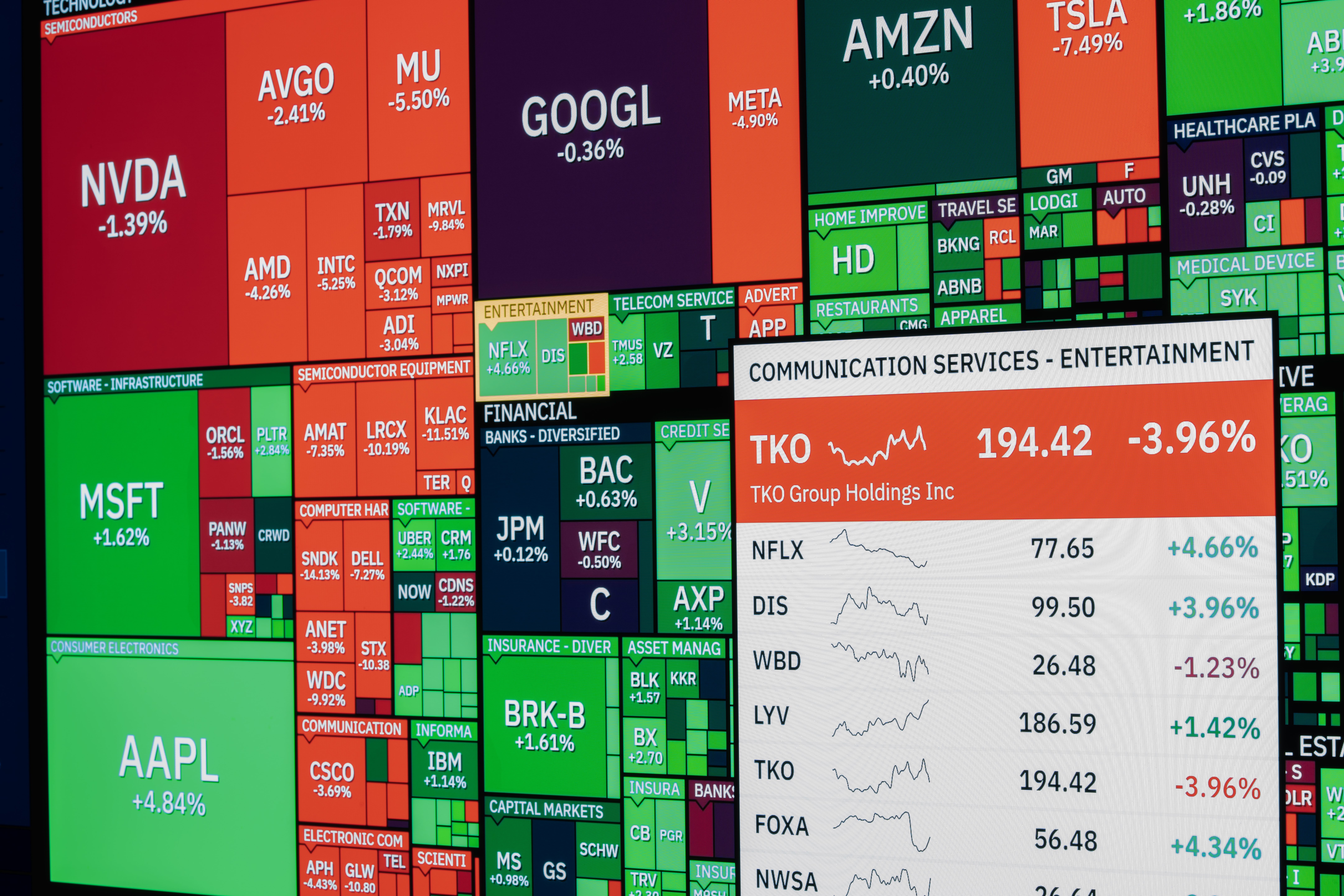
And yet, even as Wall Street's biggest banks scramble to court investors - JPMorgan CEO Jamie Dimon hosted a Thursday event for roughly 3,500 clients, Goldman Sachs placed SpaceX model rockets in two downtown Manhattan lobbies, and Morgan Stanley has its own investor event planned for Monday - the index that governs how trillions of dollars in passive capital gets allocated just said no. Not to SpaceX itself, but to the idea that the rules should bend for it.
The S&P 500 Holds the Line
On June 4, 2026, S&P Dow Jones Indices announced it would keep its existing eligibility requirements for the S&P 500 unchanged, rejecting proposals that would have created a fast-track entry for newly public megacap companies. The decision arrived one day after SpaceX disclosed its IPO terms and began its roadshow - timing that made the message impossible to miss.
The core issue is profitability. To join the S&P 500, a company must demonstrate GAAP profit in its most recent quarter and across the trailing four quarters combined. SpaceX posted a net loss of $4.94 billion in 2025, even as revenue rose 33% to $18.67 billion. That loss - driven in large part by the capital-intensive buildout of Starlink's satellite constellation and next-generation Starship development - closes the door to the flagship index for now, regardless of how large or how celebrated the company becomes on its first day of trading.
S&P was direct about its reasoning: "Exceptions to the financial viability, seasoning, and investable weight factor requirements should not be granted solely based on market capitalization." Art Hogan, chief market strategist at B. Riley Wealth, praised the decision. "Making exceptions because companies are so large and have been private so long yet are still not profitable didn't make a great deal of sense," he said. "It speaks highly of the credibility of S&P Dow Jones Indices to be rules-based."
A Split in the Index World
Not every index provider agreed. Nasdaq changed its rules earlier this year so that SpaceX can join the Nasdaq 100 - the benchmark tracking the 100 largest non-financial companies on the exchange - in as few as 15 trading days after listing, down from a prior three-month minimum. FTSE Russell adopted a similar approach, shortening its waiting period to just five trading days. The result is a bifurcated index landscape: SpaceX will likely enter the Nasdaq 100 and FTSE global indexes within weeks of its debut, while the S&P 500 remains off-limits until the company can demonstrate sustained GAAP profitability.
The practical implication is significant. S&P 500 index funds collectively hold trillions of dollars in assets. Had the rules been changed, those funds would have been forced to buy SpaceX shares automatically upon inclusion - creating a guaranteed wave of passive demand that would have supported the stock price regardless of fundamental valuation. Without that backstop, SpaceX's post-IPO performance will depend more heavily on active investor conviction and the Nasdaq 100 inclusion flows, which are meaningful but smaller in scale.
Musk's Unconventional Playbook
The S&P decision is just one dimension of an IPO that has upended nearly every convention Wall Street has developed over decades. The fixed $135 price - disclosed in an amended SEC filing rather than set through the traditional bookbuilding process - is the most striking departure. In a standard IPO, bankers gather investor feedback during the roadshow and use that input to set a final price the night before trading begins. SpaceX has effectively told the market: this is the price, take it or leave it.
Sources familiar with the roadshow told Reuters that demand is running well above typical levels - analysts working on the deal were fielding as many as 20 calls a day from investors, compared to the 10 to 15 typically seen on in-demand offerings. Three sources described demand as insatiable. That level of interest gives Musk the leverage to hold his price, and he appears to be using it.
The governance structure is equally unconventional. SpaceX has structured the offering to preserve strong founder control, ensuring that Musk retains decision-making authority even as hundreds of thousands of new shareholders enter the register. The company has also indicated it will allow early share resales before the typical six-month lock-up period expires - another break from standard practice, and one designed to broaden retail participation in the offering.
The Valuation Question
At $1.75 trillion, SpaceX would rank among the ten most valuable US-listed companies on its first day of trading. That valuation is not without skeptics. Morningstar has valued the company at approximately $780 billion - less than half the IPO target - citing uncertainties in its AI and Starlink revenue projections. The gap between Morningstar's estimate and the offering price reflects the degree to which SpaceX's valuation is built on future potential rather than current earnings.
The bull case rests on Starlink's trajectory. The satellite internet business has grown rapidly and is approaching profitability on a standalone basis. SpaceX's launch business - which has achieved a dominant market position through reusable rocket technology - generates steady revenue from NASA contracts, commercial satellite operators, and national security customers. And the company's ambitions extend well beyond both: Starship, if it achieves the launch cadence Musk has projected, could fundamentally reshape the economics of access to space.
The bear case is simpler: the company lost nearly $5 billion last year, the valuation assumes a future that has not yet arrived, and the fixed-price structure removes the market's normal mechanism for price discovery. Morningstar's analysts are not alone in their skepticism.
What the Index Decision Really Signals
The S&P 500's refusal to bend its rules for SpaceX is, in a narrow sense, a procedural decision about index methodology. In a broader sense, it is a statement about what the benchmark is for. The S&P 500 was designed to track the largest, most financially stable US companies - businesses with demonstrated earnings power, adequate public float, and sufficient trading history to be reliably priced. SpaceX, for all its scale and ambition, does not yet meet that standard.
That is not a judgment about SpaceX's long-term prospects. It is a recognition that the rules exist for a reason - and that the reason does not disappear simply because the company seeking an exception is the most anticipated IPO in a generation. For investors, the message is clear: the passive bid that would have come with S&P 500 inclusion is not coming on day one. What comes instead is a $75 billion bet on whether Elon Musk can turn the world's most valuable rocket company into one of its most profitable ones.
The roadshow ends this week. The market opens June 12. The rules, for now, remain intact.