The Leopold Liquidation: How a $45 Billion AI Hedge Fund Imploded in Days

There is a number that defines what happened to Wall Street's most celebrated AI hedge fund in July 2026: 67. That is how many percent Leopold Aschenbrenner's Situational Awareness fund lost in a single month - a collapse so swift and so total that it has already earned its own nickname on trading desks: the Leopold Liquidation.
The story of Situational Awareness is, on its surface, a cautionary tale about leverage. But beneath that surface, it is something more instructive: a case study in what happens when a genuinely correct thesis meets a structurally fragile portfolio, and how the mechanics of forced selling can turn a winning idea into a catastrophic loss.
The Rise Was Real
Aschenbrenner launched Situational Awareness in July 2024 at age 22, raising $225 million from a roster of Silicon Valley luminaries including Stripe co-founders Patrick and John Collison, former GitHub CEO Nat Friedman, and investor Daniel Gross. The fund's thesis was straightforward and, as it turned out, largely correct: the AI infrastructure buildout would create enormous value for the companies supplying chips, data centers, power, and compute capacity, while disrupting the software incumbents that AI would eventually replace.
The returns were extraordinary. By the end of June 2026, Situational Awareness had gained 439% for the year and more than 1,000% since inception. The fund grew to as large as $45 billion in assets at the start of July. Aschenbrenner had become one of the most watched figures in AI investing, with a cult-like following among retail and institutional investors who tracked his quarterly filings for clues on the next hot AI stock.
The Mechanics of the Collapse
The fund's long book was concentrated in AI infrastructure names: Nebius, Bloom Energy, SanDisk, CoreWeave, SharonAI, IREN, and SK Hynix. Its short book targeted software companies viewed as vulnerable to AI disruption, including Adobe. The strategy was elegant in theory. In practice, it created a portfolio with no natural hedge. When AI infrastructure stocks began selling off in July, the software shorts did not provide protection - they rallied instead. Both sides of the trade lost money simultaneously.
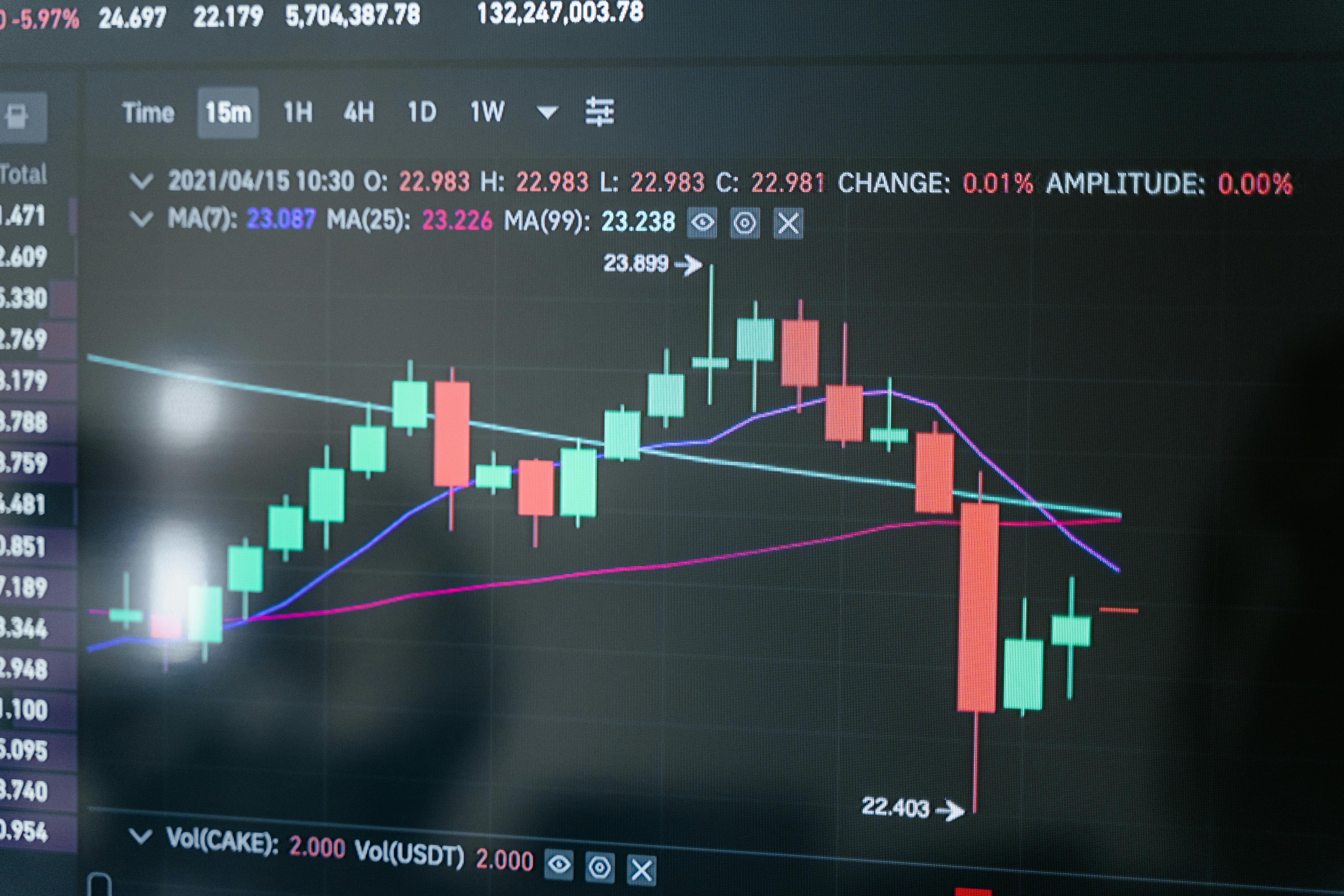
The fund was reportedly using leverage of as much as four times its equity base. As positions moved against it, prime brokers demanded additional collateral. Meeting those margin calls required selling holdings into a falling market, which pushed prices lower, which triggered more margin calls. What might have been a painful but survivable drawdown became a deleveraging spiral. By the time it was over, Situational Awareness had sold its entire public equity book - both longs and shorts - to Ken Griffin's Citadel in a single block trade. The fund's assets had fallen from $45 billion to roughly $10 billion.
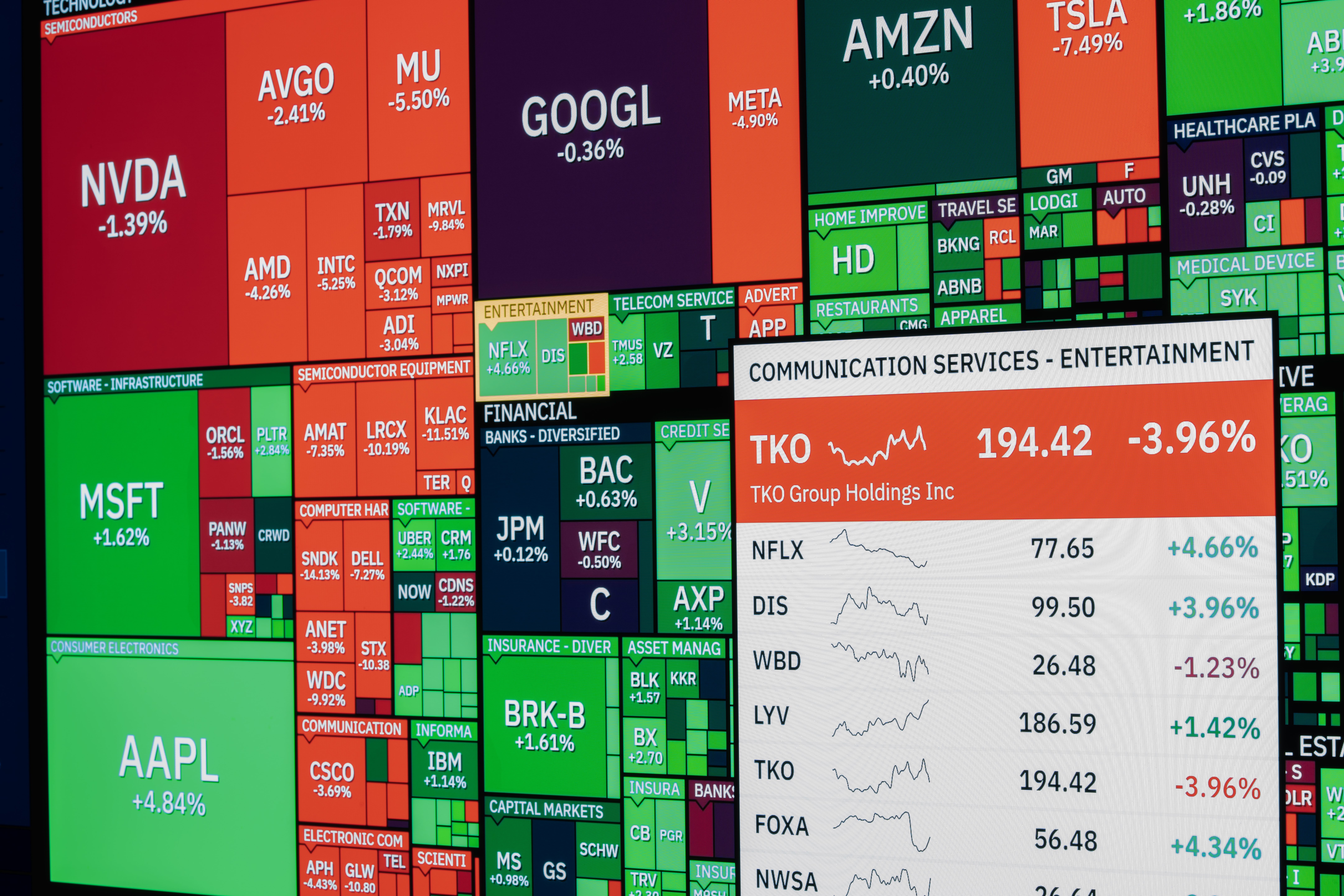
The broader market damage was significant. Morgan Stanley's sector-neutral Momentum Index fell 17.4% in just four trading days - its worst such decline on record, surpassing the momentum reversals that followed the dot-com bust, the pandemic shock, and the 2022 inflation-driven bear market. The iShares MSCI USA Momentum Factor ETF, which had posted its best month ever as recently as April, recorded one of its worst months in July, falling more than 12%.
What the Market Got Wrong - and Right
The uncomfortable truth is that Aschenbrenner's underlying thesis was not wrong. The AI infrastructure stocks at the center of the collapse - Nebius, CoreWeave, SanDisk - were up well over 100% on average even after July's selloff. Microsoft reported its best single-day gain since 2008 on July 30, surging 15.5% on blowout earnings. Amazon Web Services posted 37% growth. The demand for AI compute is real, durable, and accelerating.
What was wrong was the risk architecture. Using four times leverage on a concentrated, illiquid portfolio of AI infrastructure names - in a market where those names had already run up dramatically - left no margin for error. When the momentum reversal came, there was no cushion. The fund's investor letter acknowledged as much: "We worked to keep the portfolio within our risk parameters, but gradually this became more difficult as positions rapidly moved against us and market liquidity dried up."
The Broader Lesson for AI Investors
The Leopold Liquidation is not a story about AI being wrong. It is a story about the difference between being right about a theme and being right about a trade. The AI infrastructure buildout is one of the most powerful capital allocation cycles in modern history. But powerful themes attract crowded trades, and crowded trades attract leverage, and leverage transforms a temporary drawdown into a permanent loss of capital.
Michael Burry, who used the post-liquidation rally to add bearish positions in Micron, the VanEck Semiconductor ETF, and Nvidia put options, framed it starkly: "This was a historic reversal, even more so than what happened 26 years ago." Whether Burry is right about the broader AI trade remains to be seen. What is already clear is that the mechanics of the Situational Awareness collapse - forced selling, margin calls, a momentum crash that had nothing to do with fundamentals - created a technical dislocation that briefly made the AI trade look broken when it was not.
For investors heading into August, the lesson is not to abandon AI infrastructure exposure. It is to understand that the most dangerous moment in any powerful trade is not when the thesis is wrong - it is when the trade becomes so crowded, and so leveraged, that even a correct thesis cannot survive the mechanics of its own unwind. Aschenbrenner's fund may have been the most visible casualty of that dynamic. It will almost certainly not be the last.