Walmart's Warning: What the World's Largest Retailer Is Telling Us About the American Consumer
There is a data point buried in Walmart's first-quarter earnings report that tells you more about the state of the American consumer than almost any macroeconomic indicator. The average fuel fill-up at Walmart's gasoline stations fell below 10 gallons for the first time since 2022.

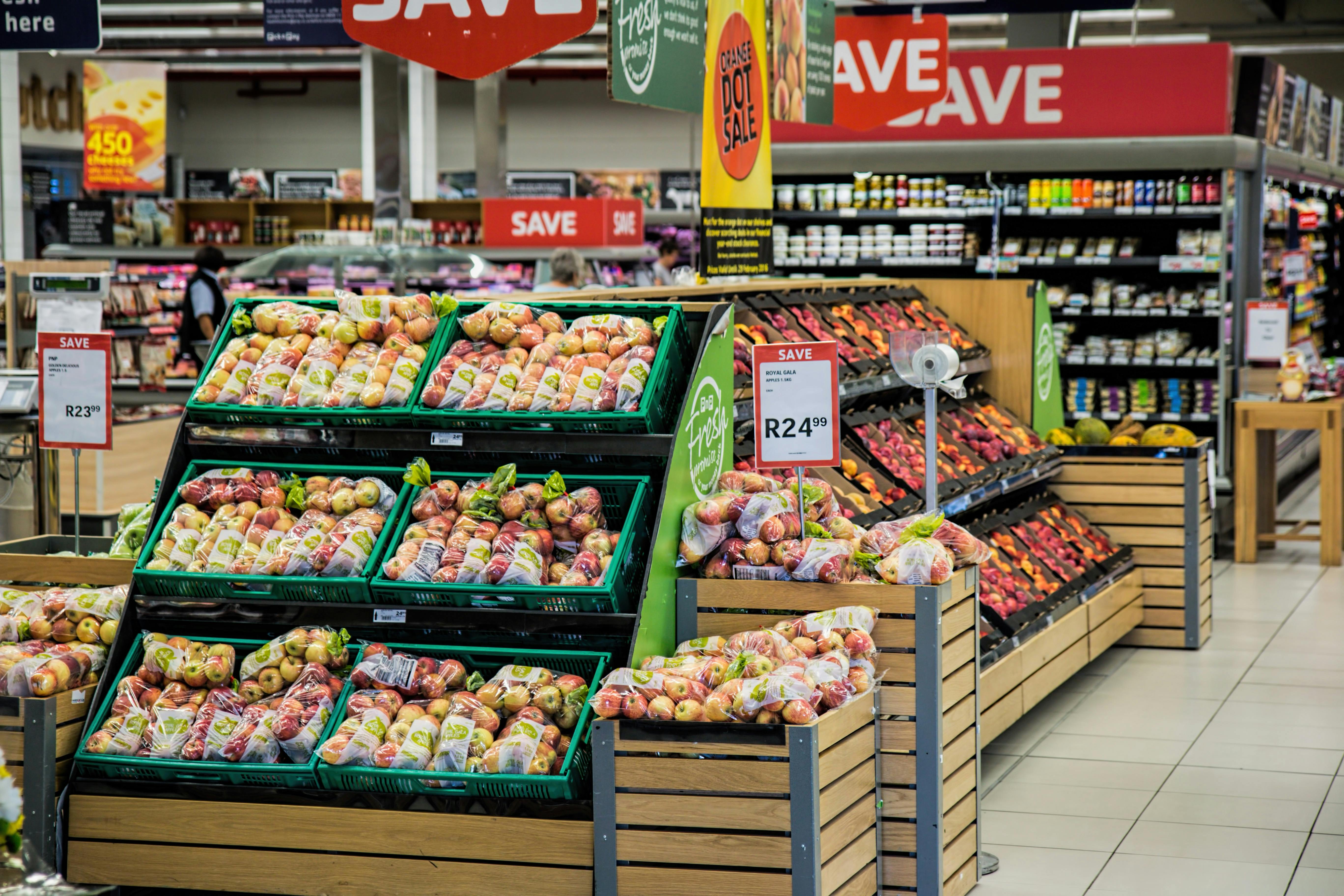
There is a data point buried in Walmart's first-quarter earnings report, released Thursday morning, that tells you more about the state of the American consumer than almost any macroeconomic indicator. The average fuel fill-up at Walmart's gasoline stations fell below 10 gallons for the first time since 2022. People are not filling their tanks. They are buying just enough to get through the week. That single detail, offered almost in passing by CFO John David Rainey on the post-earnings call, is a more visceral measure of household financial stress than any survey or sentiment index.
The headline numbers were solid enough. Walmart reported first-quarter net sales of $175.7 billion, up 7.1% year-over-year, with operating income rising 5% to $7.49 billion and earnings per share of 66 cents, in line with estimates. US comparable sales grew 4.1%, beating expectations. E-commerce sales jumped 26%. The company is taking real traffic share, attracting more higher-income shoppers seeking value and convenience. By most measures, this is a company executing well in a difficult environment. And yet the stock fell as much as 8% Thursday morning, before recovering to close down around 4%, because what Walmart said about the future was considerably less reassuring than what it reported about the past.
The Conservative Forecast That Spooked the Market
Walmart kept its full-year guidance unchanged: net sales growth of 3.5% to 4.5%, and earnings per share between $2.75 and $2.85. Analysts had been hoping for a raise. They did not get one. CEO John Furner said the company expects net sales to come in near the top of that range, which was a mild positive, but the overall message was one of deliberate caution. Fuel costs cut approximately $175 million from Walmart's operating income in the first quarter alone. The Iran war, now in its third month, has pushed the national average price for a gallon of gasoline to $4.55, up 53% since the conflict began in late February. Walmart tried to absorb those costs in its delivery and fulfillment operations rather than pass them directly to shoppers, but that strategy has limits. "If the current elevated cost environment persists, we'd expect somewhat higher retail price inflation in Q2 and the second half of the year," Rainey said. That is a significant statement from the world's largest retailer. When Walmart signals it may have to raise prices, the inflationary implications ripple across the entire consumer economy.
The Spending Slowdown Hidden in the Numbers
The most telling detail in the earnings report is not the headline revenue figure but the composition of the growth. Average transactions were up 3% in the first quarter, compared with a 1.6% rise a year ago. That sounds positive. But the amount spent per visit slowed sharply, to just 1.1% growth from 2.8% a year ago. More people are coming to Walmart, but they are buying less when they get there. They are trading down, stretching purchases, and making deliberate choices about what to skip. The consumer is not collapsing, but the consumer is clearly under pressure in a way that is showing up in basket size.
Walmart is not alone in flagging this dynamic. Target, which reported Wednesday, doubled its annual sales growth forecast to 4% on the back of investments in product mix and store payroll, but also warned about a tough macro environment ahead. Kroger and Albertsons both provided conservative annual forecasts this week. The message from the retail sector is consistent: traffic is holding up because consumers are seeking value, but discretionary spending is being squeezed, and the fuel shock is the primary culprit.
The Nvidia Paradox
The same Thursday that Walmart's stock fell on a cautious outlook, Nvidia reported the most profitable quarter in its history. Revenue came in at $81.62 billion, up 85% year-over-year, beating the $78.86 billion analyst consensus. Profit tripled. The company announced an $80 billion stock buyback and raised its second-quarter revenue guidance to $91 billion. By any conventional measure, this was a blowout. Nvidia's stock fell nearly 2% anyway.
The juxtaposition is instructive. Walmart fell because it met expectations but would not promise more. Nvidia fell because it beat expectations but could not promise enough more. Both declines reflect the same underlying dynamic: a market that has priced in a very specific future and punishes any deviation from it, even when the underlying business is performing well. The Dow Jones Industrial Average, meanwhile, closed at a record high Thursday, led by defensive stocks. The index that is supposed to represent the health of American industry hit an all-time high on a day when the world's largest retailer warned about consumer stress and the world's most valuable semiconductor company disappointed despite tripling its profits. That is the market we are in.
What Walmart's Numbers Mean for the Fed
The inflation signal embedded in Walmart's earnings is the one that should concern policymakers most. The company has been absorbing fuel costs rather than passing them through, which means the consumer price data has not yet fully reflected the war's inflationary impact on retail goods. If Walmart follows through on its warning and begins raising prices in the second quarter, that will show up in CPI readings at exactly the moment the Federal Reserve's new chair, Kevin Warsh, is trying to establish his policy framework. The 10-year Treasury yield touched 4.69% intraday on Tuesday, its highest level since January 2025, before easing back to 4.56% by Thursday's close. The bond market is already pricing in the possibility that inflation stays elevated longer than the Fed's base case assumes.
The consumer picture that emerges from this week's retail earnings is one of resilience under duress. Americans are still spending, still showing up at Walmart and Target, still filling their carts. But they are filling them more carefully, buying less per trip, and rationing their gasoline in ways that have not been seen since 2022. The stock market, sitting near record highs, is betting that this stress is temporary and that a resolution to the Iran conflict will relieve the pressure before it does lasting damage to consumer spending. Walmart's conservative guidance suggests the company is not so sure. When the world's largest retailer hedges, it is worth paying attention.