Warsh Rewrites the Fed Playbook: What the June 17 FOMC Outcome Means for Markets

There is a number that captures the significance of what Kevin Warsh did on June 17, 2026: 130. That is how many words the Federal Reserve's post-meeting policy statement contained after Warsh finished editing it - down from 341 words in the prior release, and stripped of every piece of forward guidance the central bank had spent a decade carefully constructing. The rate decision itself was unanimous and fully expected. Everything else was a surprise.
The Federal Open Market Committee voted 12-0 to hold the federal funds rate at 3.5% to 3.75%, where it has sat since a series of cuts in late 2025. Markets had priced a 97% probability of no change. What markets had not fully priced was the extent to which Warsh would use his first meeting to dismantle the communication architecture his predecessor spent years building - and to signal, through the dot plot and revised forecasts, that the next move in rates is more likely up than down.
The Statement That Said Less and Meant More
For more than a decade, the Fed's post-meeting statement had grown longer, more nuanced, and more carefully calibrated to manage market expectations. Warsh cut it in half. Gone was the committee's stated openness to adjusting policy in either direction. Gone was the easing bias language that had anchored rate expectations for months. In its place: a spare summary of economic conditions and a blunt commitment to price stability. Warsh had long argued publicly that the Fed overcommunicates and entangles itself in markets. Wednesday's statement was the first concrete expression of that view in policy form.
The dot plot told a similarly hawkish story. The median projection for the federal funds rate at year-end rose to 3.8%, up from 3.4% in March, with nine of 18 participating members seeing at least one rate hike in 2026. Warsh himself declined to submit a projection, confirming at the press conference that he regards the tool as unhelpful and signaling it could be scrapped entirely as part of a broader communications review. He became the first Fed chair in the modern era to abstain from the dot plot - a symbolic act that carries real consequences for how markets price the rate path going forward.
The Inflation Upgrade That Changes the Calculus
The revised economic projections offered little comfort to those expecting cuts. Officials raised the 2026 headline inflation forecast to 3.6% and the core measure to 3.3%, against 2.7% for both in March. GDP growth was trimmed slightly to 2.2% and unemployment to 4.3%. The inflation upgrade reflects the persistent energy price pressures flowing from the Middle East conflict - the same Iran war that drove the May PPI to 6.5% annually and the CPI to 4.2%. Even as the US-Iran memorandum of understanding signed on June 18 begins to ease oil prices, the pipeline pressure that built up over three months does not drain overnight. The Fed's own projections suggest officials believe the inflation story is not over simply because the Strait of Hormuz is reopening.
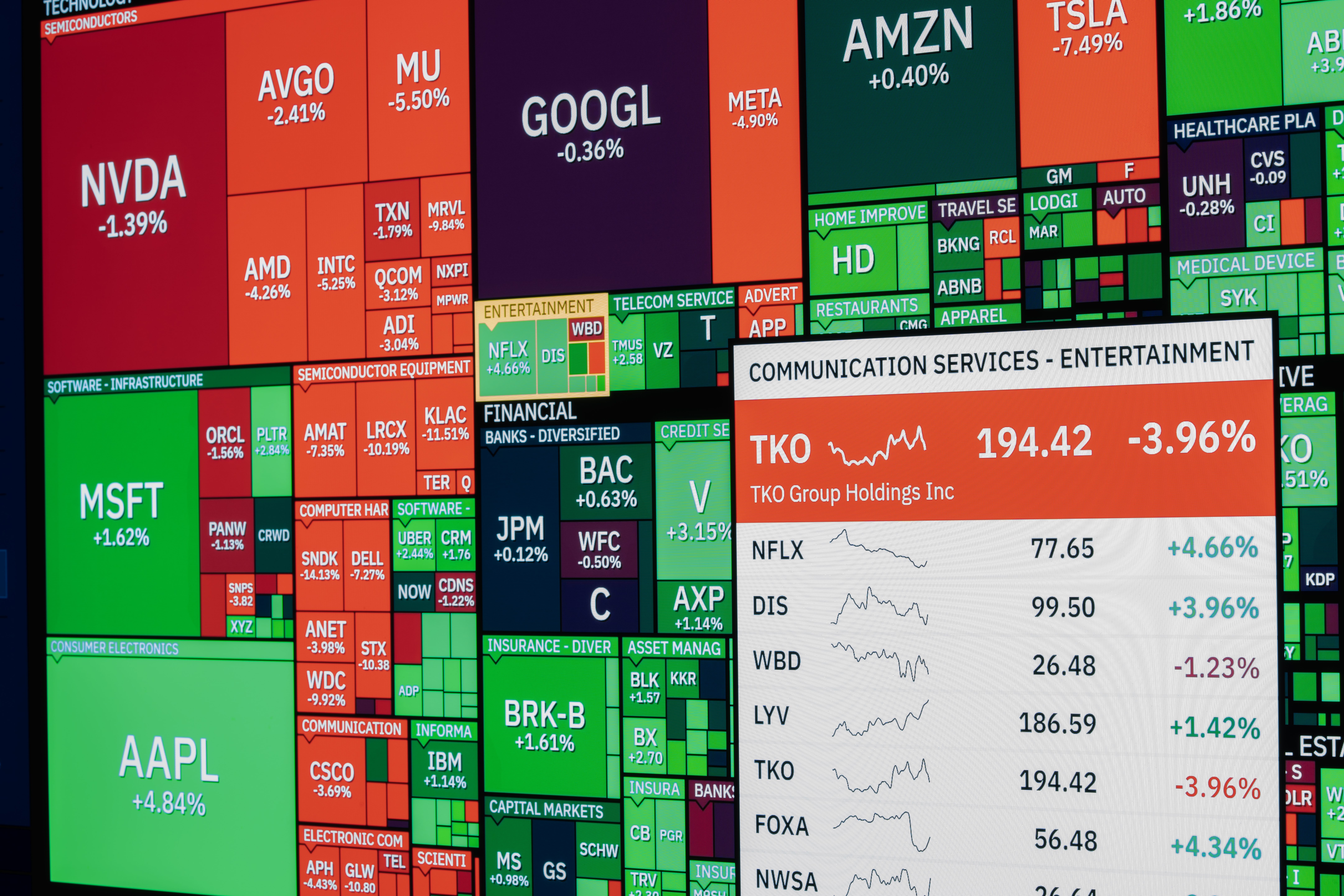
The market reaction was swift and unambiguous. The S&P 500 fell 1.2% and the Nasdaq dropped 1.3% on Wednesday as investors repriced the likelihood of a rate hike as early as October. The CME FedWatch tool moved to a 60.7% probability of a hike by year-end. Treasury yields rose. The dollar strengthened. The message from markets was clear: Warsh's first meeting was not a holding pattern. It was a pivot.
Five Task Forces and a Fed in Transition
Beyond the rate decision and the dot plot, Warsh announced five task forces to examine the Fed's communications framework, its balance sheet, data sourcing, the productivity and employment outlook, and the inflation targeting framework itself. The scope of the review suggests a more thoroughgoing institutional overhaul is underway - one that markets will now need to navigate with fewer of the signposts they have relied on for the past decade. The potential scrapping of the dot plot alone would remove a key anchor that rate-sensitive assets have used to price the easing path. Add a shorter, less forward-looking policy statement, and the Fed under Warsh becomes a materially harder institution to read.
That uncertainty is itself a policy tool. Warsh has argued that excessive forward guidance limits the Fed's decision-making flexibility and creates a false sense of precision about an inherently uncertain future. By removing the guardrails, he is forcing markets to focus on incoming data rather than Fed signals - a shift that increases volatility in rate-sensitive assets but arguably produces a more honest price discovery process.
What Investors Should Watch Next
The June 17 meeting sets up a summer of genuine uncertainty. The Iran deal's impact on energy prices will be the dominant variable: if Brent crude settles durably below $85 and the inflation pipeline cools, the case for a hike weakens. If the deal frays - and Vance's cancelled Switzerland trip on June 19 is a reminder that the 60-day negotiating period is fragile - oil rebounds and the nine dots penciling in a hike become the consensus. The next FOMC meeting is in late July. Between now and then, every CPI print, every PPI release, and every development in the Strait of Hormuz will carry more weight than it did when the Fed was providing explicit guidance about its intentions.
Warsh has made his philosophy clear: less talk, more action, and no promises about what comes next. For investors who spent the past decade reading Fed statements like a roadmap, the new era requires a different skill set. The central bank that once told you where it was going has stopped giving directions. The data is the only map left.