SpaceX Goes Back to Wall Street: The $20 Billion Bond Deal That Reveals How AI Is Reshaping Capital Markets

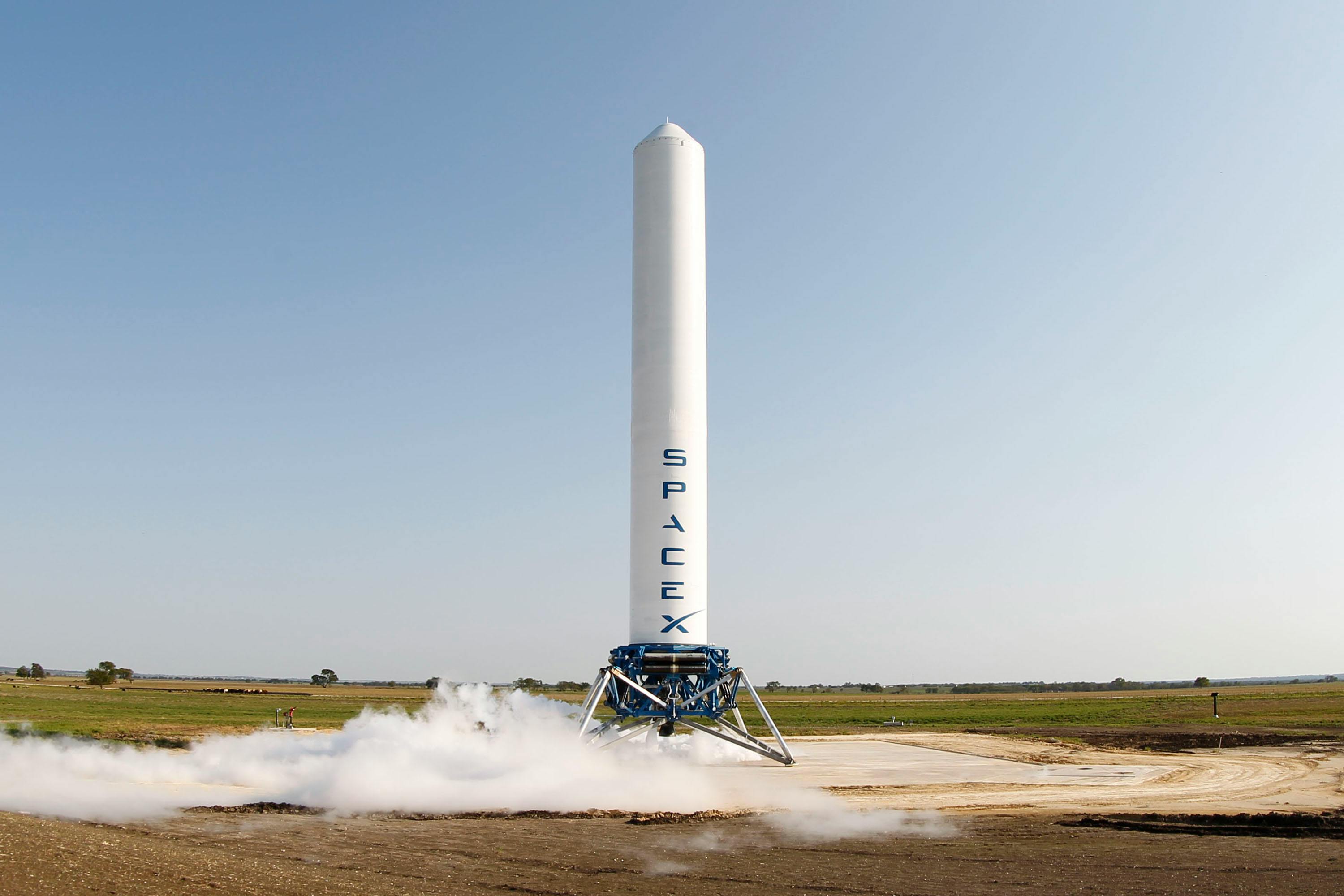
There is a number that captures the audacity of what SpaceX did this week: 20. That is how many billion dollars the company is preparing to raise in its first-ever investment-grade bond sale - less than two weeks after completing the largest initial public offering in history. The rocket company that went public at $135 per share on June 12, raising $86 billion and briefly surpassing Amazon in market capitalization, is already back at Wall Street's door. This time, it is not selling equity. It is selling debt.
The mechanics are straightforward. SpaceX took out a $20 billion bridge loan in February when it absorbed Elon Musk's AI startup xAI and social media platform X into the combined entity. That loan, which accounts for the bulk of SpaceX's $29.1 billion in long-term debt as of March 31, matures in September 2027. The bond sale - expected to be priced at roughly 1.35 to 1.5 percentage points above US Treasuries - is designed to replace that bridge with permanent, investment-grade financing. The same five banks that arranged the bridge loan, Bank of America, Citigroup, JPMorgan Chase, Goldman Sachs, and Morgan Stanley, are expected to lead the bond offering. Investor calls could begin as early as June 22.
The Rating That Changes Everything
What makes this bond deal notable is not the size - $20 billion is large but not unprecedented in the current AI capital markets environment. What is notable is the rating. Moody's assigned SpaceX a Baa1 credit rating this week, one notch above Oracle, a company that has been in the investment-grade bond market for decades. Fitch gave it BBB+. S&P assigned BBB. All three agencies landed in investment-grade territory for a company that lost $4.9 billion last year, went public eight days ago, and holds $1.29 billion in Bitcoin on its balance sheet. The market's message is clear: SpaceX's franchise - the world's dominant orbital launch provider and operator of the Starlink satellite network - is worth more than its current income statement suggests.
Moody's framed the tension precisely. The Baa1 rating, it said, reflects SpaceX's "exceptional franchise strength" but is "constrained by elevated execution and financial risks associated with the company's large-scale AI infrastructure build-out, which is characterised by high capital intensity, sustained negative free cash flow, and a wide range of potential monetisation outcomes." That is a polite way of saying: the business is real, the moat is real, but the AI bet is enormous and unproven. Investors buying these bonds are being asked to trust that the revenue will eventually arrive to service the debt.
SpaceX Is Not Alone - It Is the Latest in a Wave
The SpaceX bond deal does not exist in isolation. It is the most dramatic example yet of a structural shift in how the technology sector finances itself. In 2025 alone, Alphabet, Amazon, Meta, and Oracle borrowed a combined $93 billion in the US investment-grade bond market to fund AI infrastructure. JPMorgan estimates that AI and data center-related debt issuance will run at roughly $300 billion per year over the next five years. The pattern is consistent: borrow now at investment-grade rates, build the infrastructure, and generate the returns later.
The contrast between different companies' access to this market is instructive. Nvidia this week sold $25 billion in bonds - its largest debt deal ever - including a 30-year tranche, signaling that lenders believe AI infrastructure demand will persist for decades. Google raised $85 billion in equity earlier this month. Anthropic, ahead of its expected IPO, secured a $35 billion private credit package from Blackstone and Apollo. CoreWeave, the AI cloud provider that went public last year, could not access investment-grade markets at all and raised $3.75 billion in high-yield debt at roughly 9 percent interest - more than double what SpaceX's bonds are expected to cost. The hierarchy of AI capital access is becoming clear, and SpaceX has just established itself near the top of it.
What the Bond Market Sees That the Stock Market Is Still Debating
SpaceX shares fell roughly 8 percent over two sessions after the bond deal was reported, as equity investors processed the scale of the company's debt load and spending ambitions. The bond market's reaction was the opposite: investment-grade ratings and spread guidance that implies strong institutional demand. The divergence is worth examining. Equity investors are pricing a company that lost money last year and is trading at 94 times trailing revenue. Bond investors are pricing a company with a durable, cash-generating core business - Starlink and Falcon 9 launches - that can service debt even if the AI division takes years to monetize.
Both views can be simultaneously correct. The equity market is betting on the upside scenario: Goldman Sachs analysts have projected a 100-fold surge in SpaceX's AI revenues to $322 billion by 2030. The bond market is betting on the downside protection: even if the AI division underperforms, the rocket and satellite businesses generate enough cash to cover interest payments. The $20 billion bond deal is, in effect, a stress test of that thesis. If it prices well - and the investment-grade ratings suggest it will - it confirms that the credit market believes SpaceX's core business is durable enough to carry the weight of its AI ambitions.
The Broader Implication for Markets
The week of June 16 to 20, 2026 will be remembered as the moment when the AI capital formation cycle reached a new phase. The IPO window opened with SpaceX's $86 billion debut. The bond market followed immediately with a $20 billion refinancing. Nvidia raised $25 billion in debt. The combined capital mobilization across just these transactions exceeds $130 billion in a single week - all directed at building the infrastructure of an AI economy whose revenue profile remains, by every honest account, speculative at this stage.
That is not an argument against the investment. It is an argument for understanding what is actually being priced. The bond market is not betting on SpaceX's AI revenues. It is betting on Starlink and Falcon 9. The equity market is betting on something much larger and much less certain. Both bets are being made simultaneously, by different investors, using different instruments, at different points in the capital structure. The $20 billion bond deal is the clearest signal yet that Wall Street has decided SpaceX is not a speculative technology company. It is infrastructure. And infrastructure gets financed with debt.